
Table of Contents
- Why the Right Garden Watering Accessories Matter
- Garden Water Ring Benefits for Root-Zone Hydration
- Automatic Drip Irrigation Kits: Setup and Efficiency
- Best Garden Hoses 2026: Durability and Flow Control
- Efficient Garden Watering Systems for Sloped Terrain
- Choosing the Right Accessories for Your Garden Layout
- Maintenance, Winterization, and Long-Term Care
- Frequently Asked Questions
Last Updated: September 3, 2026
Why the Right Garden Watering Accessories Matter
The right garden watering accessories deliver water precisely to the root zone, preventing runoff on slopes, reducing evaporation loss, and cutting watering frequency.
Overhead watering loses 30-50% of water to evaporation and runoff (the EPA). Direct root-zone delivery develops stronger roots, higher vegetable yields, and reduces watering time.
Targeted watering solutions deliver immediate results for beginners and experienced gardeners alike, contributing to healthier plants.
Garden Water Ring Benefits for Root-Zone Hydration
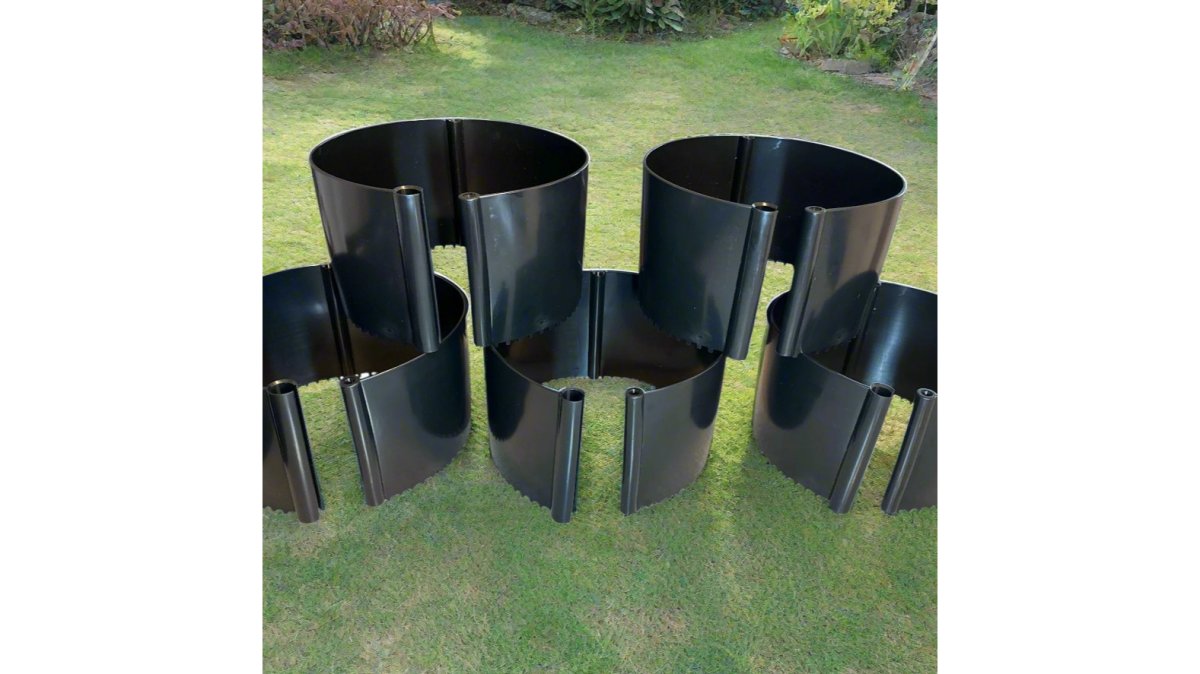
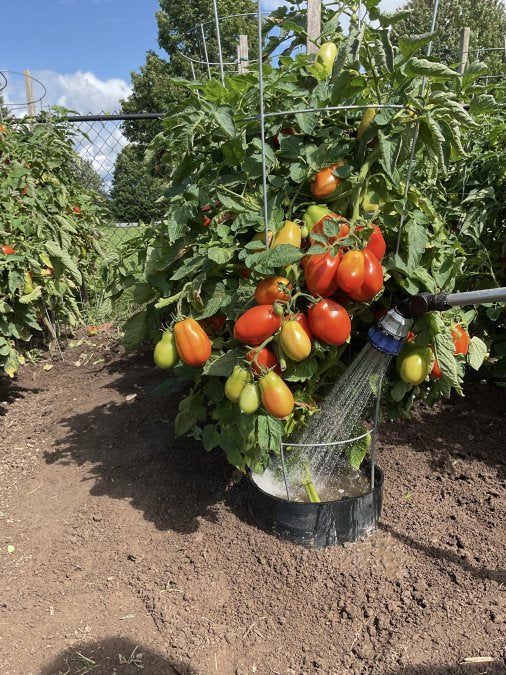
A water ring centralizes water delivery at the root zone, seeping slowly into soil rather than running off, especially powerful on slopes.

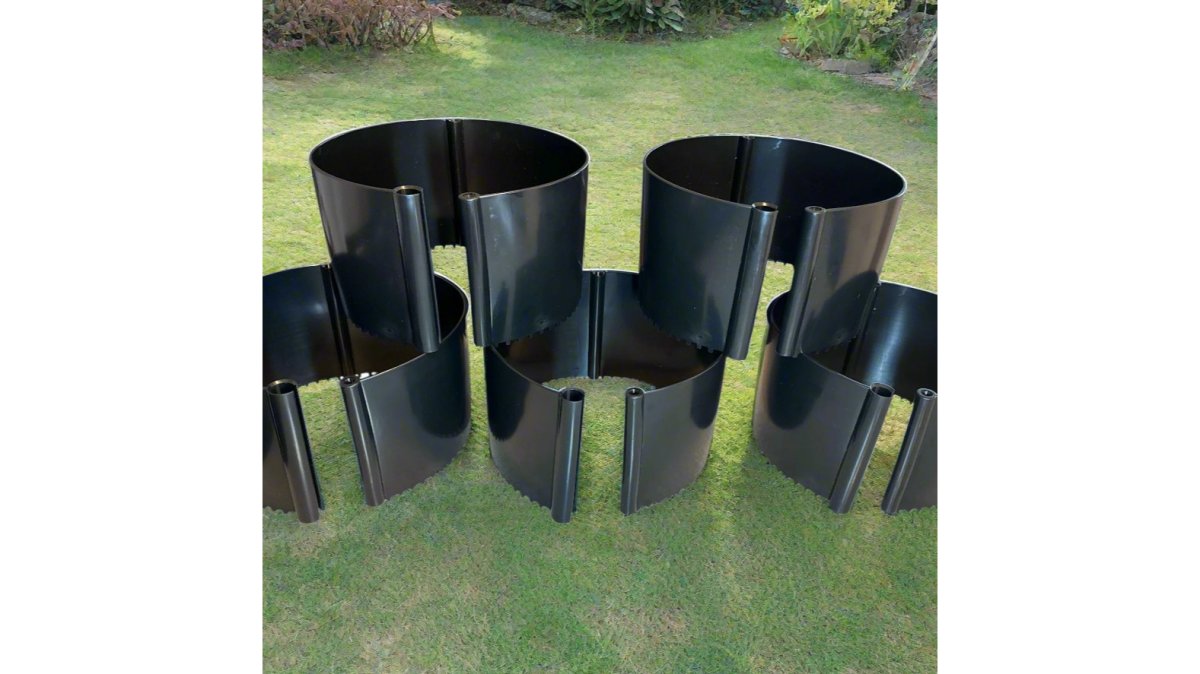
The Garden Water Ring holds 2 gallons, allowing for reduced watering frequency. Deep watering encourages deeper roots and drought resistance.
Weed control comes as a bonus: concentrated root-zone watering starves weeds of moisture, and the ring creates a barrier for safer weed-whacking.
On sloped terrain, the water ring solves runoff entirely. Two holding spikes keep it stable on uneven ground.
Automatic Drip Irrigation Kits: Setup and Efficiency
Drip irrigation kits deliver water through emitters directly to plant bases, targeting only your plants with adjustable flow rate control per plant.
Setup takes 30-60 minutes: lay tubing, snap emitters in place, connect to a timer. No digging or permanent installation required.
Drip systems reduce water waste, keep soil consistently moist without waterlogging, and automatic timers water while you're away during critical hot spells.
For raised beds and vegetable gardens, drip irrigation pairs well with water rings. Use the ring for your main plants and drip lines for surrounding crops. The combination gives you flexibility and coverage.
Best Garden Hoses 2026: Durability and Flow Control
A quality garden hose resists kinking, maintains consistent pressure, and lasts multiple seasons. Performance varies by climate and use.
Hose Material and Pressure Ratings
Vinyl hoses are affordable but degrade in sunlight and fail within 1-2 seasons in hot climates; they handle only 50 PSI (astm.org). Rubber "all-weather" hoses handle 75-100 PSI and resist UV damage, making them standard. Reinforced rubber blends rated 100+ PSI suit heavy-duty use and extreme temperatures. Match the hose pressure rating to your faucet output (typically 40-80 PSI).
Diameter and Flow Considerations
Standard 5/8-inch hoses balance flow and portability for most gardens. Use 3/4-inch for gardens over 100 feet from the faucet to reduce pressure loss (extension.oregonstate.edu). 1/2-inch hoses suit small spaces but sacrifice flow; drip systems use 1/2-inch intentionally for slower delivery.
Climate-Specific Durability
Arid climates demand reinforced rubber with UV-blocking additives for 2-3 extra years of life. Humid climates require antimicrobial linings or drained, loose storage to prevent mold. Cold climates need freeze-thaw rated hoses; vinyl becomes brittle and cracks.
Nozzle Spray Patterns and Flow Control
Multi-pattern nozzles switch from mist to stream without disconnecting. Choose ergonomic grips, clear settings, and locking mechanisms. Flow-control dials protect seedlings and prevent overflow. Pistol-grip nozzles enable one-handed operation.
Kink Resistance and Storage
Kinking creates permanent damage points. Spiral-wound or flat-lay hoses resist kinking better. Store loosely on a reel or in figure-eight pattern; tight coiling creates stress. Never leave kinked hoses in sun. Use guides or stakes to keep hoses elevated away from sharp edges.
Maintenance for Extended Life
Rinse hoses after use and soak nozzles in vinegar to remove mineral buildup. Drain completely before winter to prevent freeze damage. Store indoors above freezing. Inspect annually for cracks or soft spots. Repair small connection leaks with a hose repair kit to extend life.
Efficient Garden Watering Systems for Sloped Terrain
Sloped terrain defeats most watering approaches: water runs downhill faster than soil absorbs it, leaving lower plants dry.
Position water rings at multiple heights on the slope. Each holds water for soil absorption, with overflow cascading to the next ring downhill.
Soaker hoses work on slopes when buried or staked at consistent depth. Slow-drip emitters give soil time to absorb before water moves downhill. Combine with timers for hands-off watering.
A 2-3 inch mulch layer slows runoff, improves moisture retention, regulates temperature, and suppresses weeds.
Choosing the Right Accessories for Your Garden Layout
For raised beds under 4 feet wide, one water ring per plant provides precise control. For multiple beds, run one drip line with individual emitters per plant.
Container gardens need drip irrigation with adjustable emitters and automatic timers, since containers dry faster than in-ground beds.
Large patches benefit from hybrid systems: water rings for tomatoes and peppers, drip lines for beans, squash, and cucumbers.
Measure garden dimensions and count plants before buying to avoid oversized systems or insufficient capacity.
Maintenance, Winterization, and Long-Term Care
Routine Cleaning and Inspection
Rinse hoses after use and soak nozzles in vinegar to remove mineral buildup. Inspect monthly for soft spots, cracks, or leaks. Check connection points for weeping, which often indicates loose fittings rather than hose failure.
Inspect drip tubing seasonally for cracks, splits, or UV damage. Flush clogged emitters by running water through the line without emitters. Replace damaged sections rather than patching.
Troubleshooting Common Failures
Low pressure or weak spray: Check the faucet valve first. If fully open, soak the nozzle in vinegar and flush the hose. Internal scaling requires replacement.
Water leaking from hose connections: Tighten the connection by hand first. If leaking continues, turn off the faucet, unscrew the connection, and inspect the ferrule (the small metal or plastic ring inside the fitting). If the ferrule is cracked or corroded, replace it using a hose repair kit. These kits include new ferrules, washers, and couplings.
Hose leaking along its length: Pinhole leaks can be temporarily patched with a repair clamp. For durability, cut out the damaged section and reconnect with a coupling and clamps. If the leak is within 12 inches of either end, cut off the section and reattach the nozzle.
Drip emitters not draining evenly: Run the system 5-10 minutes to purge air. Rinse blocked emitters under running water and reinstall. Replace if the problem persists.
Water rings cracking or leaking: Seal small cracks with waterproof silicone caulk. If the locking seal fails, contact the manufacturer for replacement gaskets.
Winterization and Off-Season Storage
Drain all hoses completely before the first frost. Coil loosely on a reel or in figure-eight pattern and store indoors or in an unheated shed above freezing. Tight coiling creates stress points.
Store timers indoors in a dry location with batteries removed. Drain drip lines by opening the end cap or using compressed air. Store tubing loosely in a cool, dark place.
Water rings require no special winterization. Rinse, empty completely, and store indoors or in a shed. Ensure the ring is dry before sealing to prevent mold.
Spring Startup Checklist
Before the growing season begins, inspect all equipment. Check hoses for cracks or soft spots that developed during storage. Test nozzles to confirm spray patterns work correctly. Reconnect timers and test them with the faucet on to ensure they cycle properly. For drip systems, run water through the entire line for several minutes to flush any sediment that accumulated over winter. Check all connection points for leaks. Replace any components that failed during storage. This 15-20 minute inspection prevents mid-season failures when plants need water most.
Frequently Asked Questions
Will a garden watering ring actually work on sloped terrain, or will water just drain away?
A quality garden watering ring like the Garden Water Ring holds up to 2 gallons and prevents runoff by centralizing water directly at the root zone. The raised ring structure contains water on slopes where traditional watering fails. Unlike shallow watering methods, this approach forces water to soak deep into the soil rather than running off, making it effective even on uneven ground where drainage is a common problem.
How much can I reduce my watering frequency with efficient garden watering systems?
Efficient garden watering systems, particularly those that deliver water directly to the root zone, can reduce watering frequency compared to surface watering. By minimizing evaporation and runoff, these systems ensure water reaches plant roots where it matters most. The exact reduction depends on your climate, soil type, and plant variety, but many gardeners report needing to water significantly less often while maintaining healthier plants.
What's the difference between a garden water ring and cheaper watering rings on the market?
Premium garden watering accessories like the Garden Water Ring ($49.95) are built with durable virgin polypropylene, manufactured in the USA, and feature a water-tight locking seal that prevents leaks. Cheaper alternatives often use thinner materials and may lack secure seals. The Garden Water Ring includes stability spikes, holds up to 2 gallons, and is weed wacker proof, features that contribute to durability and long-term performance.
Are automatic drip irrigation kits better than manual watering methods?
Automatic drip irrigation kits excel for busy homeowners and large gardens because they deliver consistent water on a schedule without daily effort. They're ideal for vacation periods and reduce water waste through precise flow control. However, manual methods like garden watering rings offer more control for small gardens and raised beds, work on any terrain, and require no electrical setup. The best choice depends on garden size, available time, and whether you prefer hands-on control or automation.
This article was written using GrandRanker

Leave a comment
This site is protected by hCaptcha and the hCaptcha Privacy Policy and Terms of Service apply.