
Table of Contents
- Why Consistent Soil Moisture Matters for Plant Health
- Test Your Soil Moisture Before You Water
- Best Soil Amendments for Water Retention
- Mulching Techniques to Reduce Evaporation
- How to Use a Garden Water Ring for Direct Root Hydration
- Preventing Soil Evaporation in Raised Beds
- Irrigation and Watering Schedules That Work
- Frequently Asked Questions
Last Updated: September 3, 2026
Why Consistent Soil Moisture Matters for Plant Health
Keeping garden soil moist is the foundation of healthy plant growth, yet it's one of the most common challenges home gardeners face. Plants need consistent moisture at the root zone to absorb nutrients, regulate temperature, and develop strong root systems. Without it, you'll see stunted growth, wilting, and reduced yields, especially in vegetables like tomatoes, peppers, and squash that demand steady hydration.
The problem isn't just about watering more often. It's about retaining the water you do apply so it reaches the roots instead of evaporating or running off. Soil structure, amendments, mulch, and irrigation method all work together to determine whether your plants thrive or struggle. This guide covers seven proven methods to keep garden soil moist, from soil amendments to smart irrigation systems, so you can grow healthier plants with less effort.
Test Your Soil Moisture Before You Water
Before implementing any moisture-retention strategy, you need to understand your starting point. Testing soil moisture prevents both overwatering and underwatering, two mistakes that damage plants equally.
The simplest method is the hand test: push your finger 2-3 inches into the soil. If it feels dry at that depth, it's time to water. If it's moist, wait another day or two. For more precision, a soil moisture sensor takes the guesswork out entirely. These affordable devices measure moisture levels numerically, so you know exactly when your soil needs water rather than relying on feel.
Understanding your soil type matters too. Sandy soil drains quickly and holds less moisture. Clay soil retains water longer but can become compacted. Loamy soil, a balanced mix of sand, silt, and clay, holds moisture well while still allowing drainage. Knowing which type you have helps you choose the right amendments and watering frequency.
Best Soil Amendments for Water Retention
Adding the right amendments to your garden soil dramatically improves its ability to hold moisture. These materials increase soil structure and create spaces where water can be stored and accessed by plant roots.
Compost and Organic Matter
Compost is the gold standard for improving soil water-holding capacity. When you work compost into your garden beds, it increases organic matter content, which acts like a sponge, absorbing and retaining moisture while still allowing proper drainage. Aim to mix 2-4 inches of finished compost into the top 8-10 inches of soil before planting.
Beyond compost, other organic materials work similarly. Aged bark, coconut coir, and leaf mold all improve soil structure and water retention. The key is consistency: add organic amendments every season to maintain their benefits, since they break down over time.
Sphagnum Peat Moss and Worm Castings
Sphagnum peat moss is highly absorbent and holds up to 20 times its weight in water (peer-reviewed research). Mix it into beds at 10-15% by volume for noticeable improvement in moisture retention. Worm castings provide similar benefits while also adding beneficial microorganisms and nutrients that support plant health.
These amendments work best when combined with other organic matter rather than used alone. They improve water retention without creating waterlogged conditions that harm roots.
Hydrogel and Water-Retention Crystals
Hydrogel crystals represent modern soil science applied to gardening. These superabsorbent polymers absorb water and slowly release it to plant roots over time. A small amount mixed into soil can significantly extend the interval between waterings, making them valuable for busy gardeners or those in dry climates.
Mix hydrogel crystals according to package directions, typically 1-2 tablespoons per gallon of soil. They're especially useful in containers and raised beds where water retention is harder to control. One application lasts an entire growing season.
Mulching Techniques to Reduce Evaporation
Mulch is your first line of defense against evaporation. A 2-3 inch layer of organic mulch insulates soil, keeps it cooler, and dramatically reduces water loss to the atmosphere. Apply mulch around plants, keeping it a few inches away from stems to prevent rot.
Hardwood mulch, straw, and wood chips all work well. Avoid mulch piled directly against plant stems, which can trap moisture and encourage disease. Refresh mulch annually as it breaks down and adds to soil organic matter. In raised beds, mulch becomes even more critical since exposed soil surfaces lose moisture faster than in-ground gardens.
The type of mulch matters less than consistent application. What matters most is creating a barrier between soil and air that slows evaporation significantly.
How to Use a Garden Water Ring for Direct Root Hydration
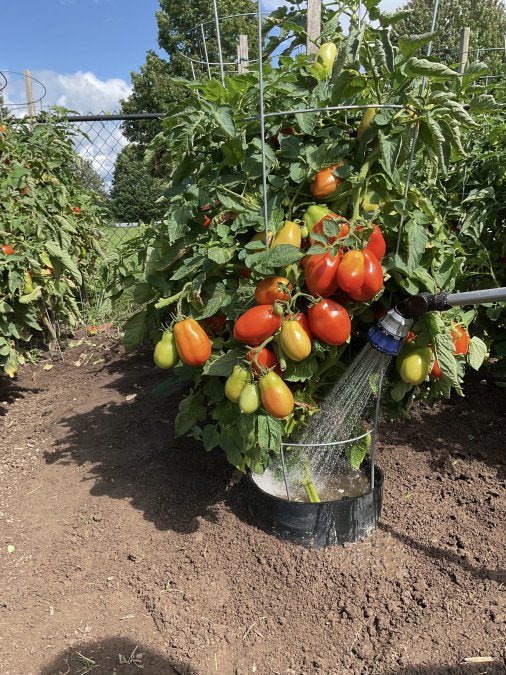
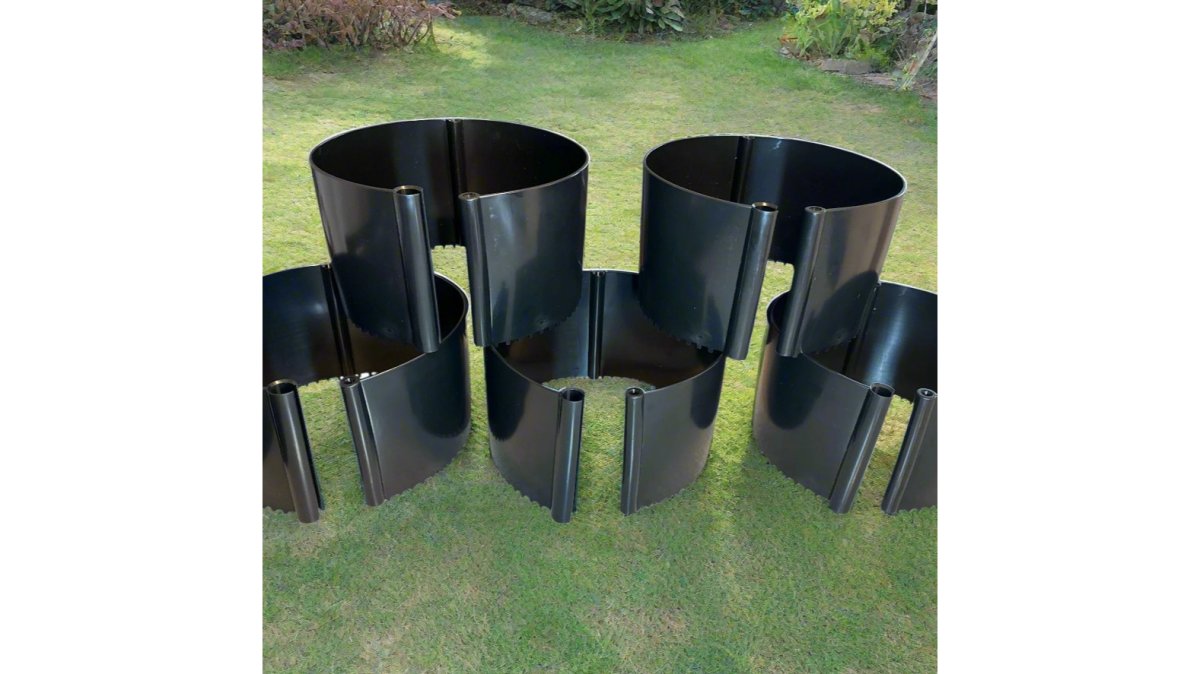
A garden water ring delivers water precisely where plants need it most, at the root zone. This simple tool prevents runoff and evaporation by concentrating water directly around the base of individual plants.
The Garden Water Ring holds up to 2 gallons of water and creates a contained zone where moisture soaks deeply into soil rather than spreading across the entire bed. Fill it once in the morning, and the water releases slowly throughout the day, reducing how often you need to water. This is especially valuable on sloped terrain where water naturally runs downhill before plants can absorb it.

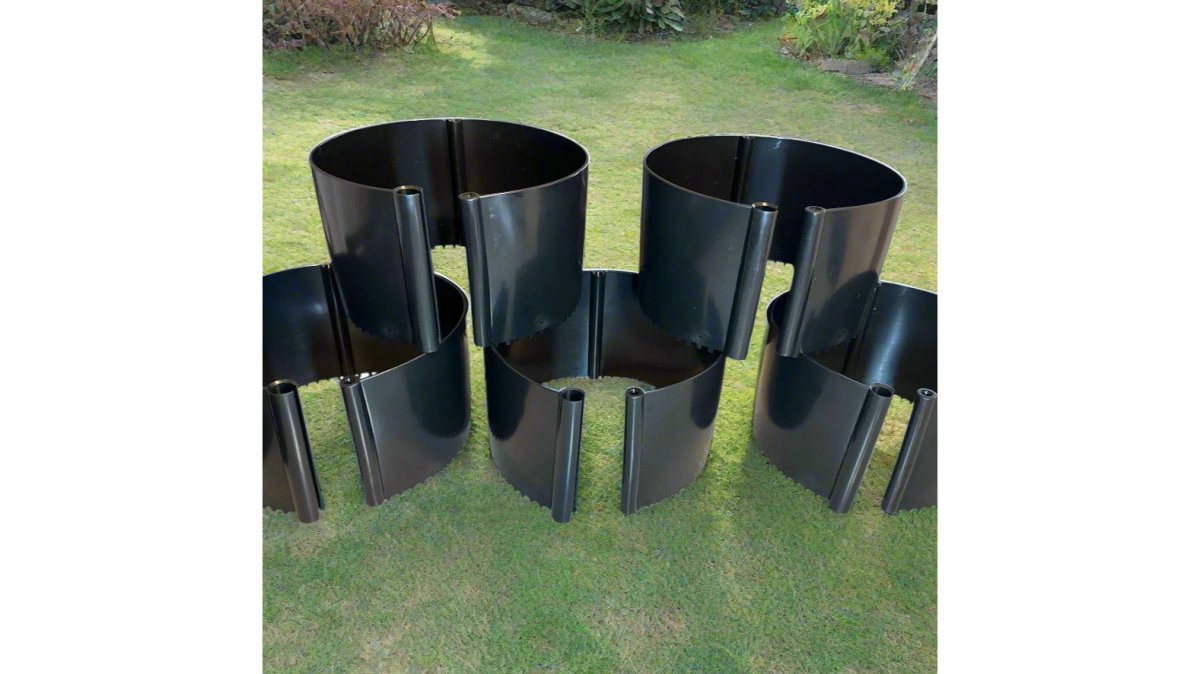
Installation is straightforward: place the ring around your plant's base and fill with water. The water-tight locking seal prevents leaks, and the durable design withstands repeated use through multiple seasons. For gardeners growing vegetables like tomatoes, peppers, and squash, this method cuts watering frequency significantly while encouraging deep root development.
Preventing Soil Evaporation in Raised Beds
Raised beds are excellent for controlling soil quality, but their exposed sides and elevated position increase evaporation compared to in-ground gardens. Water loss accelerates due to increased air exposure and wind exposure. Controlling evaporation requires a multi-layered approach combining mulch, shade management, and micro-climate optimization.
Mulch and Shade Cloth Basics
Combine mulch with shade cloth during peak summer heat to keep soil cooler and reduce moisture loss. Shade cloth blocks 30-50% of sunlight depending on density (typically rated as 30%, 50%, or 70% shade) (extension.oregonstate.edu). This prevents sunscald on soil and reduces evaporation without eliminating the light plants need. Pair it with a 3-inch mulch layer for maximum evaporation control. In very hot or dry climates, this combination can reduce watering frequency.
Water infiltration and percolation matter in raised beds too. Ensure your soil mix includes enough organic matter so water soaks in rather than running off the sides. A loose, well-structured soil with good organic content will hold moisture longer than compacted or sandy mixes.
Micro-Climate Management: Wind, Orientation, and Air Flow
Most gardeners focus on mulch and shade but overlook how wind and garden orientation dramatically affect evaporation rates. This is where significant water savings can be claimed without adding infrastructure.
Wind exposure is one of the largest evaporation drivers. Wind speeds of just 5-10 mph can double soil evaporation rates compared to still air (peer-reviewed research). If your raised beds sit in an open, windy location, consider installing a windbreak:
- Living windbreaks (shrubs, hedgerows, or tall perennials planted on the windward side) reduce wind speed by 30-50% while adding visual appeal and habitat value. Plant them 10-15 feet upwind of beds if space allows.
- Structural windbreaks (fencing, lattice panels, or shade cloth screens) provide immediate protection. A 4-6 foot fence or screen reduces wind speed by 25-40% in the immediate lee zone.
- Even a simple row of tomato cages or stakes with burlap can buffer wind around individual beds.
Garden orientation affects both direct sun exposure and wind patterns. Beds running north-south receive more even sun distribution throughout the day. Beds running east-west expose the south-facing side to intense afternoon sun, which increases evaporation. If you're designing new beds, orient them north-south and position them where morning sun dries dew (reducing disease) but afternoon shade or windbreaks reduce peak evaporation.
Air circulation balance is key: you need enough air movement to prevent fungal disease (which thrives in stagnant, humid conditions) but not so much that evaporation accelerates. Raised beds in completely enclosed spaces (against walls or dense hedges) can develop stagnant microclimates. Ideal placement has gentle air movement but wind protection from the strongest gusts.
Practical Micro-Climate Adjustments
Before investing in irrigation upgrades, optimize your raised bed's micro-climate:
- Assess wind exposure. Observe your garden on a breezy day. If soil dries visibly faster on certain beds, those beds face higher wind exposure. Prioritize windbreak installation there.
- Map sun and shade patterns. Track which beds receive intense afternoon sun (2-4 PM). These lose more water and benefit most from shade cloth or strategic plant placement.
- Reduce bare soil exposure. Plant densely or use cover crops between vegetables. Living mulch (low-growing plants) reduces evaporation as effectively as organic mulch while adding soil organic matter.
- Use reflective or light-colored mulch in very hot climates. Light-colored wood chips or straw reflect some heat, keeping soil cooler and reducing evaporation compared to dark mulch.
These micro-climate adjustments often reduce watering needs without adding cost, making them the first step before upgrading to drip irrigation or sensors.
Irrigation and Watering Schedules That Work
Consistency beats intensity when it comes to watering. Daily shallow watering encourages shallow root growth. Weekly deep watering develops stronger, deeper roots that access moisture further down in the soil.
Water early in the morning to minimize evaporation and allow foliage to dry before evening, which reduces disease risk. Avoid watering during peak heat when much of your water evaporates before reaching roots. Late afternoon watering works if morning isn't possible, but early morning is ideal.
Drip Irrigation vs. Soaker Hoses: Choosing the Right System
Both drip irrigation and soaker hoses deliver water directly to soil, but they differ in precision, cost, and installation complexity.
Soaker hoses are perforated tubes that weep water along their entire length. They're affordable (typically $15-$40 for 50 feet), require no tools to install, and work well for vegetable rows and linear garden beds. Simply lay the hose along plant rows, cover with mulch to reduce evaporation, and connect to a standard spigot. The downside is uneven water distribution, water pressure drops along the hose length, so plants at the far end receive less water than those near the source. They're also prone to clogging if your water supply contains sediment.
Drip irrigation systems use emitters (small nozzles) spaced at precise intervals to deliver water directly to individual plants. They're more expensive upfront ($50-$150+ for a basic system) and require more setup, but they offer superior control. Water delivery is consistent regardless of hose length, and you can adjust emitter flow rates for different plant types. Drip systems work better in complex garden layouts, containers, and raised beds where precise targeting matters.
For water efficiency, both methods use 30-50% less water than overhead sprinklers while delivering moisture exactly where plants need it. Drip systems typically achieve 85-95% irrigation efficiency, while soaker hoses average 70-85% depending on setup and water pressure.
Installation tips: Bury soaker hoses 2-3 inches deep or cover with mulch to reduce evaporation. For drip systems, slope the line slightly toward the water source so you can drain it at season's end and prevent freeze damage. Both systems benefit from a timer, which automates watering and ensures consistency even when you're away.
Soil Moisture Sensors and Smart Watering Technology
Modern soil moisture sensors eliminate guesswork by measuring actual soil water content rather than relying on feel or schedules. These devices range from simple mechanical models to wireless systems that integrate with smartphone apps.
Mechanical sensors ($10-$25) use a dial gauge and probe. Push the probe into soil, and the dial shows moisture level on a scale from dry to wet. They require manual checking but need no batteries or electricity. These work well for gardeners who prefer hands-on monitoring.
Electronic sensors ($20-$60) provide digital readouts and often include a small display unit. Some models send wireless alerts to your phone when soil reaches a set dryness threshold, triggering you to water or activating an automatic irrigation system. These are ideal for busy gardeners or those managing multiple beds.
Smart irrigation controllers ($100-$300+) connect to your existing irrigation system and adjust watering frequency based on real-time soil moisture, rainfall, temperature, and even weather forecasts. They reduce water waste by 20-50% compared to fixed schedules because they water only when soil actually needs it, not on a predetermined calendar.
The key advantage of sensor-based watering is preventing overwatering, which causes root rot, fungal disease, and nutrient leaching, more common problems than underwatering in home gardens. By applying water only when soil moisture drops below your target threshold (typically 40-60% saturation for most vegetables), you maintain optimal conditions without excess.
Frequently Asked Questions
What can I add to my garden soil to retain moisture?
Organic matter like compost, sphagnum peat moss, and worm castings improve water-holding capacity by increasing soil structure and porosity. Hydrogel crystals absorb water and release it slowly to plants over time. Mix 2-4 inches of compost into the top 6-8 inches of soil, or add peat moss at a 1:3 ratio with existing soil. These amendments work best when incorporated before planting and refreshed annually.
How does mulching help keep garden soil moist?
Mulch creates a protective barrier that reduces evaporation, keeps soil cooler, and prevents direct sun exposure that dries out the root zone. Apply 2-3 inches of organic mulch (wood chips, straw, or shredded leaves) around plants, leaving 2 inches clear around stems. As mulch breaks down, it adds organic matter that further improves water retention and soil structure.
How often should I check my soil moisture levels?
Check soil moisture every 2-3 days during growing season, or daily during hot spells or drought. Stick your finger 2 inches into the soil; if it feels dry, water deeply. Soil moisture sensors remove guesswork by providing real-time readings. Consistent monitoring prevents both overwatering (which causes root rot) and underwatering (which stresses plants and reduces yields).
Is there a way to automate watering for better moisture control?
Drip irrigation and soaker hoses deliver water directly to the root zone, reducing evaporation and runoff while using less water than overhead watering. Pair these with soil moisture sensors or timers for automated, consistent hydration. For raised beds or sloped terrain, a Garden Water Ring centralizes water at the root zone, holding up to 2 gallons and allowing slow infiltration that prevents runoff.
This article was written using GrandRanker

Leave a comment
This site is protected by hCaptcha and the hCaptcha Privacy Policy and Terms of Service apply.