
Table of Contents
- How Deep Root Watering Changes the Soil Surface
- What Deep Watering Does to Root Development
- Gardening Tips for Dry Climates: Making Every Drop Count
- How to Prevent Weeds in Vegetable Gardens With Root-Zone Watering
- Weed Species That Respond Differently to Deep Watering
- Mulching and Root-Zone Tools That Support the Strategy
- Conclusion: Water Deeper, Weed Less
- Frequently Asked Questions
Last Updated: October 4, 2026
How Deep Root Watering Changes the Soil Surface
Deep root watering is the practice of delivering water slowly and deeply to a plant's root zone instead of sprinkling the surface. It changes the soil surface by keeping the top inch dry while the root zone stays moist. That dry surface is what stops many weed seeds from sprouting.
This guide from Garden Water Ring explains why the top of your soil matters as much as the roots below it. Below, we'll show exactly how water depth controls weeds, and how to use that to your advantage.

Here's what most guides get wrong: they treat watering and weeding as two separate jobs. They aren't. The depth of your water decides which seeds get a chance to grow.
Why Wet Topsoil Is a Weed Nursery
Weed seeds sit in the top layer of soil, waiting. Many species need light and steady surface moisture to germinate. Keep that top layer dry and most of them stay dormant.
Water lightly every day and you hand those seeds exactly what they need. The surface stays damp, the sun warms it, and new weeds appear within days.
Deep watering flips this. Water moves past the surface and down to the roots, so the top layer dries out between waterings. Fewer weed seeds wake up.
The Science of Deep vs. Shallow Watering
Shallow watering wets only the top inch or two. Roots stay near the surface and dry out fast. Weeds get the moisture they need at the same time.
Deep watering pushes moisture well below the surface. Roots follow the water downward. The surface dries, and the weed seed bank stays quiet.
The USDA Natural Resources Conservation Service soil health guide notes that soil moisture and soil health are closely linked. How you water shapes both.
| Watering Method | Surface Moisture | Root Depth | Weed Germination |
|---|---|---|---|
| Daily light watering | Stays wet | Shallow | High |
| Deep weekly watering | Dries between | Deep | Lower |
| Root-zone watering | Dry outside ring | Deep | Lower |
What Deep Watering Does to Root Development
Deep watering builds deeper, stronger root systems. When water reaches lower into the soil, roots grow down to reach it. That makes plants more drought tolerant and less dependent on daily watering.
Shallow root systems are fragile. They dry out in hours on a hot day. Deep roots hold moisture longer and keep plants steady through dry spells.
How Deep Is "Deep" for Vegetables?
"Deep" is not a fixed number of inches. It is the depth that wets the bulk of a crop's active root zone. A useful working target for most home vegetable crops is to wet the soil 6 to 8 inches down for shallow-rooted crops like lettuce, spinach, and radishes, and 8 to 12 inches for deeper-rooted crops like tomatoes, peppers, squash, and carrots. Established asparagus and some perennial herbs root deeper still.
That is why a quick surface sprinkle does not count as deep watering, even if you run it for a while. Water has to move past the top inch or two and into the zone where feeder roots actually live.
The Moisture Threshold That Matters
Roots do not chase "wet." They chase available moisture above the permanent wilting point. In practical terms, you want the root zone to swing between roughly field capacity (soil holding all the water it can against gravity) and about 50 percent depletion before you water again. Let the top inch dry between cycles, but do not let the root zone itself dry out completely.
This is the same principle behind the USDA Natural Resources Conservation Service soil health guide point that soil moisture and soil health are linked. How you water shapes both the roots and the surface.
A Repeatable Root-Depth Check
You do not need a moisture meter to know whether your watering is reaching deep enough. Use a trowel and a simple sequence:
- Water the plant the way you normally do.
- Wait about an hour so the water has finished moving.
- Dig a small hole 6 to 8 inches from the plant's base, straight down.
- Feel the soil at the surface, at 3 inches, and at 6 inches.
- If only the top inch is damp, you are still watering shallow.
- If the soil is damp at 6 inches, you are hitting the root zone.
Repeat this every few weeks during the season. Soil moisture changes as plants grow, as mulch breaks down, and as temperatures shift.
Why This Matters for Weeds
Deeper roots are not just a plant-health benefit. They are a weed-suppression benefit. When you water deeply and let the surface dry, you are training crop roots to grow down and away from the top layer where most weed seeds sit. Shallow watering does the opposite: it keeps crop roots near the surface, which forces you to water more often, which keeps the surface damp, which keeps the weed seed bank active.
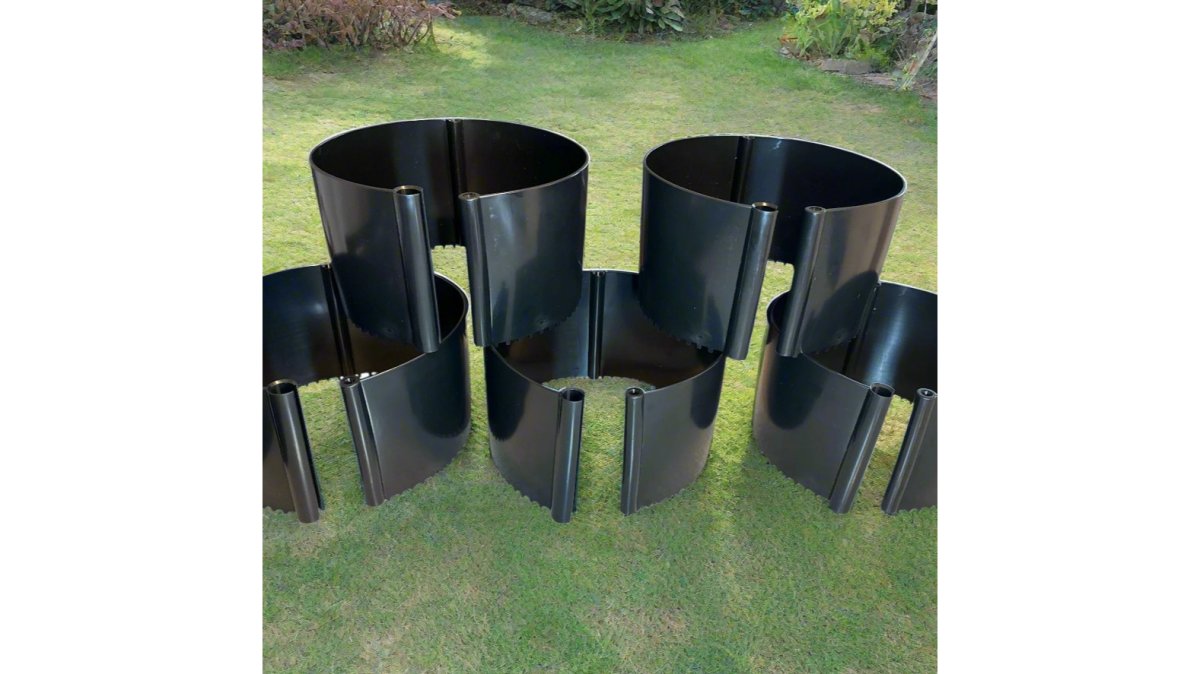
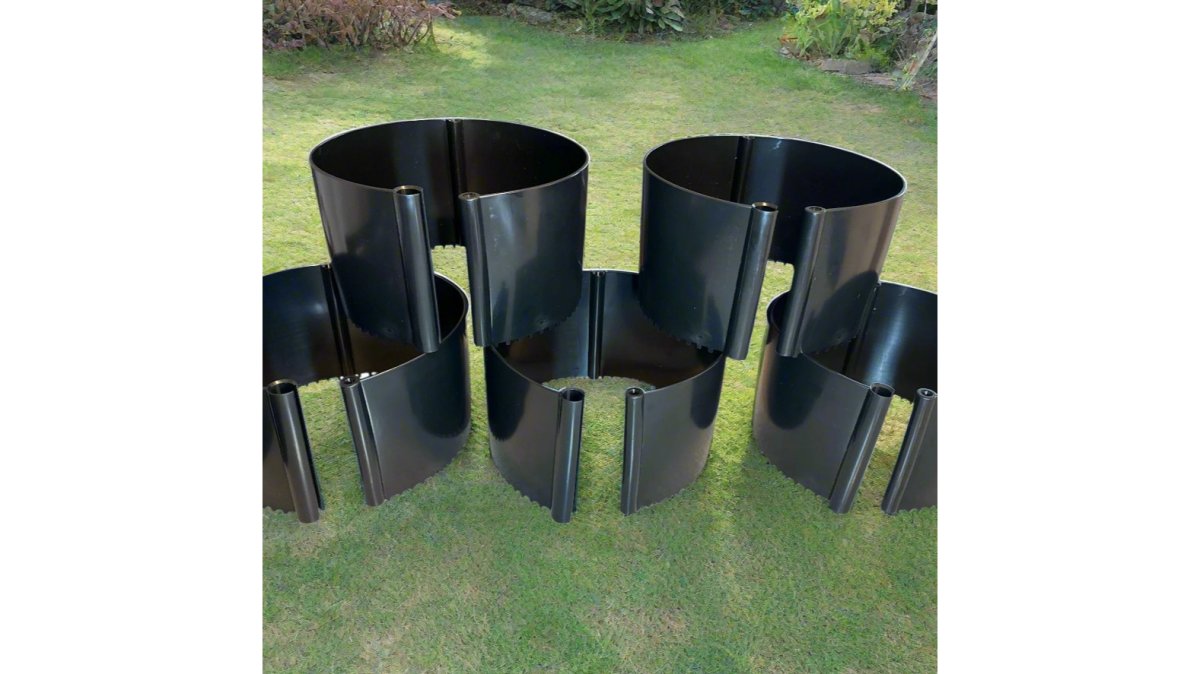
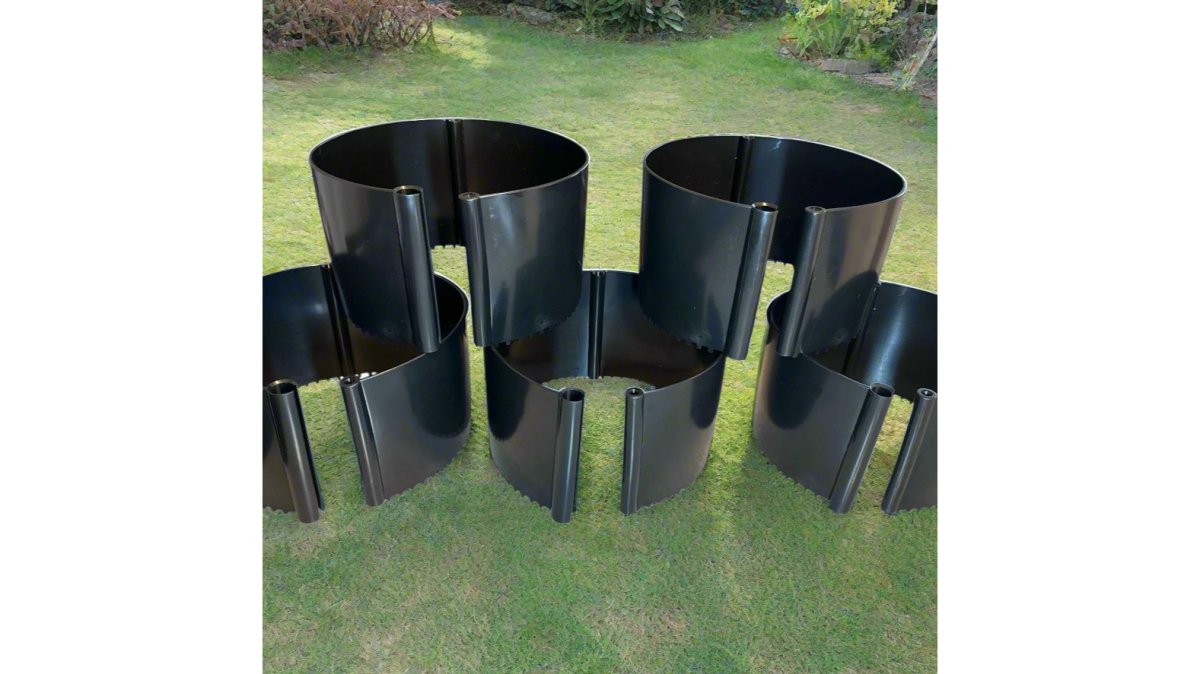
This is where a root-zone tool helps. Garden Water Ring holds up to 2 gallons and releases it slowly at the base of the plant. Water soaks down instead of spreading across the surface, so the top layer can dry while the root zone stays moist. It also concentrates water and fertilizer around the plant's root zone, which helps reduce runoff and evaporation and reduces unnecessary watering between plants.
Gardening Tips for Dry Climates: Making Every Drop Count
Dry-climate gardening rewards precision. In low-rainfall areas, the goal is to get water to the roots without losing it to evaporation or runoff.
Focus on these habits:
- Water deeply and less often, not lightly and daily
- Water early in the morning to cut evaporation
- Group thirsty plants together in one bed
- Add mulch to slow surface drying
- Check soil moisture before watering again
The EPA WaterSense outdoor water use guidance explains that efficient outdoor watering saves water and supports healthier landscapes. Small changes add up over a season.
For sloped or uneven ground, water tends to run off before it soaks in. Garden Water Ring works on mild slopes and holds water where the plant can use it.
How to Prevent Weeds in Vegetable Gardens With Root-Zone Watering
To prevent weeds in vegetable gardens, keep the surface dry and deliver water only where crops grow. Root-zone watering does both at once.
Follow these steps:
- Install the ring about 2 inches into the soil, teeth facing down
- Center it around the plant's base
- Fill with up to 2 gallons of water
- Let it soak in slowly and refill as needed
- Leave the soil between plants dry
The university extension guidance on mulching and weed control supports keeping the soil surface dry and mulched to limit weed germination.
Soil Type Variables That Change the Outcome
Soil type decides how far water travels. Sandy soil drains fast, so water moves down quickly and the surface dries sooner. Clay soil holds water and drains slowly, so it stays wet longer.
Loam sits in the middle. It holds moisture while still draining well. Test your soil before you settle on a watering schedule.
- Sandy soil: water more often, in smaller amounts
- Clay soil: water less often, watch for pooling
- Loam: deep water about once a week
Weed Species That Respond Differently to Deep Watering
Not all weeds react the same way to deep watering. Shallow-rooted weeds like chickweed and purslane thrive when the surface stays damp. Dry the top layer and they struggle.
Deep-rooted weeds such as dandelion and bindweed send down a taproot. They survive dry surface spells because their roots reach lower moisture. Deep watering can actually feed them.
The takeaway: deep watering helps most against shallow surface weeds. For taproot weeds, remove them by hand or with a weeding tool.
Mulching and Root-Zone Tools That Support the Strategy
Mulch and root-zone tools work together. Mulch slows surface evaporation and blocks light that weed seeds need. A root-zone tool delivers water below the mulch, right to the roots.
Combine them for the best results:
- Add 2 to 3 inches of mulch around plants, away from stems
- Water through the root zone, not over the top
- Refresh mulch each season as it breaks down
Garden Water Ring is a patented, reusable, USA-made root-zone watering product. It's one continuous piece that opens and closes with a sliding lock, holds up to 2 gallons, and includes two 11-inch holding spikes. It's built to last and reuse year after year. Orders ship free within the USA, straight from the manufacturer.
Conclusion: Water Deeper, Weed Less
Weeds need surface moisture to sprout. Deep root watering takes that away while feeding your plants where it counts. The result is fewer weeds, stronger roots, and less time spent watering.
Garden Water Ring makes that shift simple. It holds up to 2 gallons, installs with no tools, and works on mild slopes. Orders ship directly from the manufacturer, with Free Shipping in the USA.
Ready to water deeper and weed less? Shop Garden Water Ring and give your garden the root-zone hydration it needs.
Frequently Asked Questions
How does deep root watering affect weed germination?
Weed seeds need light, warmth, and steady surface moisture to sprout. Deep root watering delivers water below the top inch or two of soil, so that germination layer stays drier between waterings. The weed seed bank in your soil is still there, but it gets fewer chances to wake up. University extension programs note that many common weed seeds germinate best when the top inch of soil stays consistently moist, which is exactly what shallow, frequent watering creates.
Will deep root watering eliminate all weeds in my garden?
No. It reduces the moisture that triggers surface weed germination, but existing weeds with established roots still need to be pulled, and new seeds can arrive on the wind or in compost. Think of deep watering as one layer of a weed strategy, paired with mulch and hand-pulling. A root-zone tool like the Garden Water Ring, which holds up to 2 gallons and sends water straight to the root zone, helps keep the surface drier between waterings.
How often should I water deeply in a dry climate?
In dry climates, water less often but more thoroughly. Aim to soak the root zone to a depth of about 6 to 8 inches, then let the top inch or two of soil dry out before watering again. For many vegetable crops in hot, dry conditions, that means watering every two to four days instead of daily. Check soil moisture by pushing a finger or trowel into the bed before you water, and adjust for soil type and plant size.
Does deep watering work the same on clay and sandy soil?
No. Clay soil absorbs water slowly and holds it, so water in stages to avoid runoff. Sandy soil drains fast and holds little, so you may need to water more often or amend with organic matter to improve moisture retention. Either way, the goal is the same: get water past the surface layer and down to the root zone. A ring that holds 2 gallons and releases it slowly gives both soil types time to absorb water instead of losing it to runoff.

Leave a comment
This site is protected by hCaptcha and the hCaptcha Privacy Policy and Terms of Service apply.