
Table of Contents
- Why Water Pooling Around Plant Stems Happens
- How to Improve Soil Drainage Around Plants
- Low-Cost Fixes Before You Dig a Drainage Channel
- How to Water Plants at the Base Without Creating Puddles
- How to Prevent Water Runoff in a Garden
- How Often to Water Vegetable Plants When Soil Stays Wet
- When to Get Help With Yard Drainage
- Conclusion
- Frequently Asked Questions
Last Updated: October 5, 2026
Why Water Pooling Around Plant Stems Happens
Water pooling around plant stems happens when water arrives faster than the soil can absorb it. The soil around a stem gets compacted, capped, or heavy with clay, so water sits on top instead of soaking down to the roots. This guide from Garden Water Ring walks through how to stop water from pooling around plant stems, step by step, without tearing up the whole garden.

Three things drive most pooling problems:
- Slow soil drainage. Compacted soil and clay soil hold water like a bowl.
- Water delivered too fast. A hose dumped in one spot outruns the soil's intake rate.
- Nowhere for surface water to go. Sloped ground, raised bed edges, and hard-packed paths push water back toward stems.
The fix depends on which one you have. So start with the symptom.
Quick Diagnostic: Match the Symptom to the Cause
| Symptom | Likely Cause | First Fix to Try |
|---|---|---|
| Puddle forms within minutes of watering | Water applied too fast | Water slowly at the base |
| Soil stays soggy for days | Clay soil or compacted soil | Amend and aerate the planting pocket |
| Water runs off before soaking in | Sloped ground or crusted surface | Slow the flow, add a berm |
| Pooling only after heavy rain | Surface water draining toward the bed | Redirect water away from roots |
| Soggy ring of moisture around one plant | Mulch piled against the stem | Pull mulch back from the stem |
If two or more rows match, work through the fixes in order. Most gardeners solve the problem with the first two.
How to Improve Soil Drainage Around Plants
Improving soil drainage around plants means changing the soil structure so water moves down instead of sitting. You do not need to replace the whole bed. Work the area around each plant's root zone.
Start with a simple check. Dig a hole about 12 inches deep, fill it with water, and let it drain. Refill it and time how long the second fill takes to disappear. Soil that drains in a few hours is fine. Soil still full the next day needs help.
To open up tight soil:
- Mix in compost or aged manure to build crumbs and gaps in the soil.
- Add coarse sand or fine gravel to heavy clay, never play sand.
- Avoid walking on beds. Foot traffic is the fastest way to compact soil.
- Top-dress with organic matter each season to keep structure open.
Fixing Clay Soil and Compacted Soil
Clay soil holds nutrients well but drains slowly. Compacted soil is worse: it has lost the pore space water needs to move through. Both respond to the same treatment.
Work amendments into the top 6 to 8 inches, not just the surface. For a single planting pocket, blend compost into the backfill so roots get a looser start. On a whole bed, spread 2 to 3 inches of compost and dig it in. University extension programs recommend testing soil before adding anything, since clay often needs organic matter rather than more fertilizer. The USDA Natural Resources Conservation Service soil health guidance explains how organic matter improves water movement in heavy soils.
Low-Cost Fixes Before You Dig a Drainage Channel
Before renting a trencher, try the cheap fixes. Most pooling at stems comes from water arriving too fast, not from a yard-wide drainage failure. Slowing the flow often solves it for the cost of an afternoon.
Try these first:
- Water in stages. Fill, wait, fill again. Let the soil drink between passes.
- Build a shallow berm. A ring of soil 2 to 3 inches high around the plant holds water over the root zone until it soaks in.
- Break the surface crust. Scratch the top inch with a hand cultivator so water can enter.
- Add a root-zone watering ring. A ring holds a measured amount of water right at the base and releases it slowly into the soil.
- Fix the mulch. Keep mulch 2 to 3 inches off the stem so the crown stays dry.
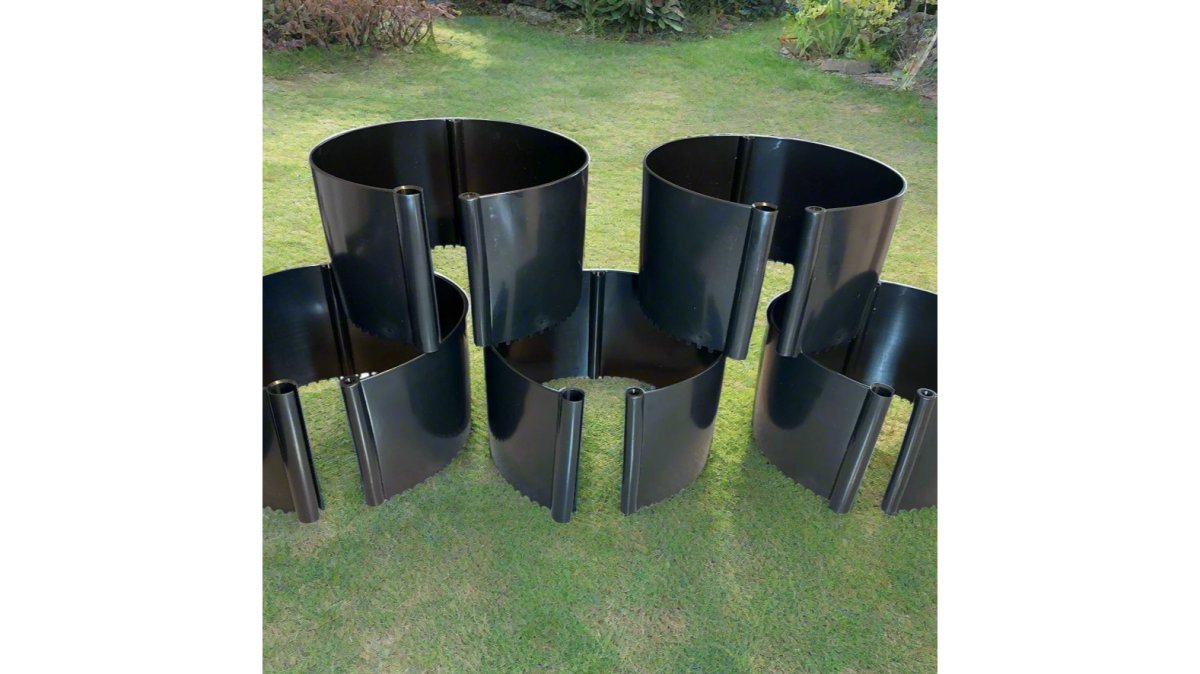
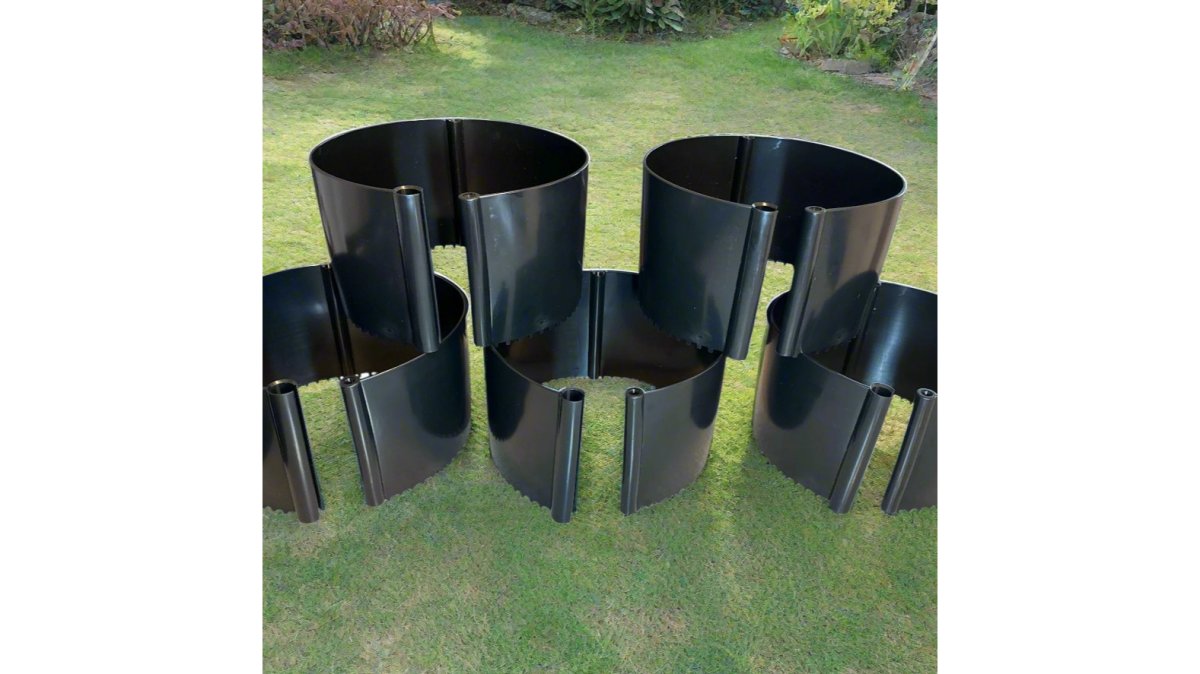
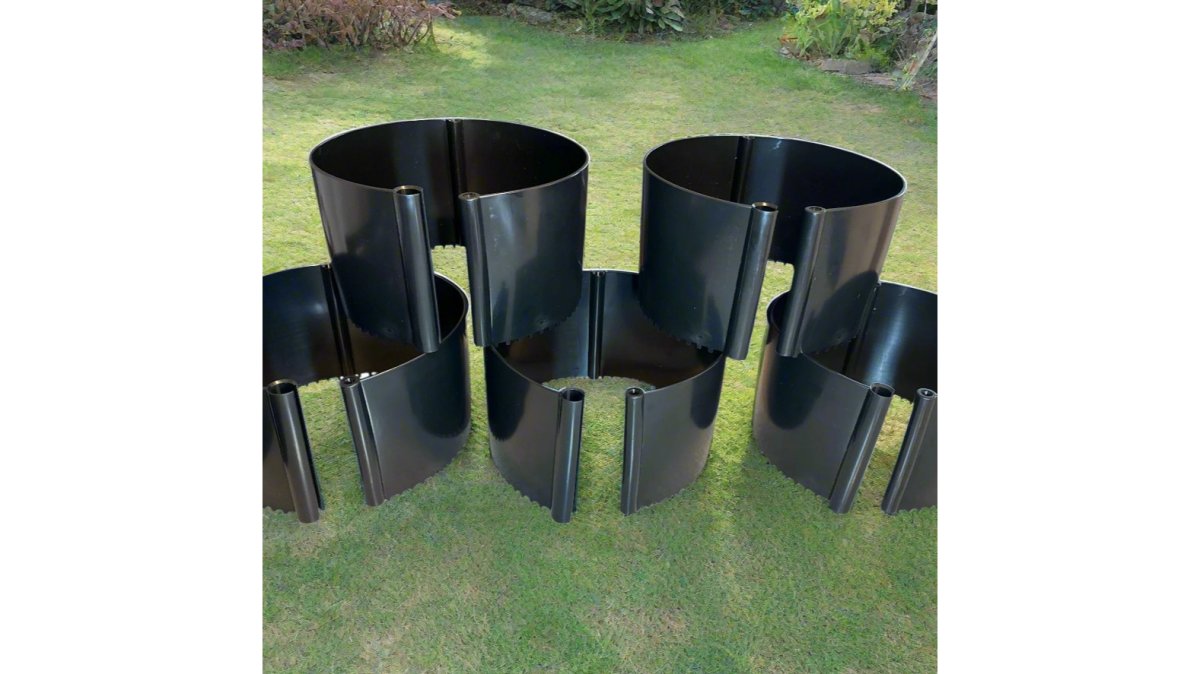
The Garden Water Ring is one continuous one-piece unit that opens and closes with a sliding male/female locking system. It measures approximately 10 inches in diameter and 6 inches high, holds up to 2 gallons, and includes two 11-inch holding spikes.
How to Water Plants at the Base Without Creating Puddles
Watering at the base without puddles comes down to speed and placement. Aim water at the soil around the stem, not the leaves, and give the soil time to absorb it.
Follow this order:
- Check the top inch of soil first. If it is damp, wait a day.
- Water in the morning so any extra moisture dries during the day.
- Direct water to the root zone, a few inches out from the stem.
- Water slowly. A trickle beats a blast.
- Pause when the surface stops absorbing, then resume.
- Stop when the soil is moist a few inches down, not when a puddle forms.
A soaker hose laid a few inches from the stem works well. So does a watering ring that holds a set volume and lets it seep in. Both keep water off the leaves, which helps reduce leaf disease. The EPA WaterSense outdoor watering tips notes that watering deeply and less often builds stronger roots than frequent light sprinkling.
How to Prevent Water Runoff in a Garden
Preventing runoff in a garden means slowing surface water and giving it a place to soak in before it reaches the stem. Runoff wastes water, washes out soil, and carries nutrients away from roots. The plant-level goal is simple: keep water moving downward at the base of the plant instead of sheeting across the surface.
Runoff starts when the soil's intake rate drops below the rate water arrives. Two things cause that at the stem:
- Surface sealing. Rain or fast watering breaks down soil crumbs into a crust. Once sealed, water cannot enter, so it runs.
- Slope and grade. On any grade, water has less contact time with the soil, so it travels before it soaks.
Use these tactics, in order of effort:
- Slow the flow with a watering ring, soaker hose, or staged watering so the soil can keep up.
- Break the crust by scratching the top inch with a hand cultivator before watering.
- Add a berm or shallow swale to hold water where you want it, not where gravity sends it.
- Keep soil covered with mulch or a cover crop to reduce crusting and erosion.
- Direct downspouts and surface water away from beds so rain does not dump onto stems.
- Plant across the slope on gentle grades to slow water as it moves.
On sloped ground, water has less time to soak in before it runs. A ring that holds water at the base gives the soil that time. This is the same idea behind university extension guidance on vegetable garden watering, which stresses slow, deep watering over quick surface wetting.
Using a Root-Zone Watering Ring to Slow the Flow
A root-zone watering ring is a container placed around a plant's base that holds water and releases it slowly into the soil. It keeps water over the roots instead of letting it run off.
The Garden Water Ring holds up to 2 gallons and installs in minutes. Press it about 2 inches into the soil with the teeth down, and the two 11-inch holding spikes keep it steady.
It helps direct water and fertilizer to the root zone, reduce runoff and evaporation, improve fertilizer efficiency, and helps reduce weed growth. On mild slopes, it holds water where the plant needs it.
How Often to Water Vegetable Plants When Soil Stays Wet
Water less often when soil stays wet. Soggy soil means the roots are not getting air, and adding more water makes it worse.
Use this simple test. Push a finger or a trowel 2 inches into the soil near the plant. If it feels wet, skip watering that day.
For most vegetables in the ground, deep watering once or twice a week beats a daily sprinkle. Containers dry faster and may need water more often.
Watch for these signs of too much water:
- Yellowing lower leaves
- Wilting even when the soil is wet
- Soft, dark stems near the soil line
- Slow growth and no new roots
If those show up, stop watering and let the soil dry. Pooling and constant wetness are the main drivers of root rot, so fixing drainage early matters.
When to Get Help With Yard Drainage
Most stem-level pooling is a garden problem you can fix yourself. But some patterns point to a larger yard drainage issue that needs a bigger solution. The key is telling the two apart before you spend time on fixes that will not hold.
Use this plant-level check first.
Watch for these signs that the problem is bigger than one plant:
- Water pools in the same low spot across the whole yard after every rain.
- Water seeps toward the house or into a basement.
- The problem covers a large area, not just one bed.
- Water stands for days with no sign of soaking in.
- Every bed on the property stays soggy after rain, not just the one with the affected plant.
For those cases, a drainage plan for the whole yard may be the right move. For everything at the plant level, the fixes above handle it.
Conclusion
Pooling at stems is a solvable problem, and the fix usually costs less than a bag of compost. Start with the diagnostic table, slow the flow, and open up tight soil. For a simple, reusable way to hold water at the root zone, try the Garden Water Ring. It holds up to 2 gallons, installs with no tools, and is made in the USA from weather-resistant polypropylene. Shop Garden Water Ring at Garden Water Ring and give your vegetables steady moisture right where the roots need it.
Frequently Asked Questions
Why does water pool around the base of my plants?
Water pooling usually comes down to one of three things: soil that drains slowly (clay or compacted soil), watering faster than the ground can absorb, or a low spot where surface water collects. Check your soil texture first. If a hole filled with water still holds it hours later, drainage is the problem. If water beads up and rolls away, you are likely watering too quickly. Mulch piled against the stem can also trap moisture right where you do not want it.
How do I stop water from pooling around plant stems?
Start by clearing mulch and soil away from the stem so the crown can breathe. Water at the base in two or three slow passes instead of one long soak, letting each pass absorb before the next. For heavy clay, mix in compost to improve soil structure. On sloped ground or in beds that stay soggy, a root-zone watering ring like Garden Water Ring helps direct water and fertilizer to the root zone, reduce runoff and evaporation, improve fertilizer efficiency, and helps reduce weed growth, keeping it near the roots instead of letting it run off.
Should I water plants at the base or around the roots?
Water at the base, aiming for the soil ring just outside the stem rather than directly on the stem itself. Roots spread outward past the drip line, so watering a circle around the plant reaches more of the root zone than pouring in one spot. Keep the stem and crown dry when you can, since constant stem moisture invites rot. A slow, steady pour or a ring that holds water at the root zone both work well.
Does mulch make water pool around plant stems?
Mulch itself does not cause pooling, but mulch piled right against the stem can hold moisture there and slow drying. Keep mulch 2 to 3 inches back from the stem, forming a small donut rather than a mound. That gap lets air reach the crown and lets you see whether water is draining or sitting. Organic mulch still helps the soil below hold moisture evenly, so keep using it, just pull it back from the plant.

Leave a comment
This site is protected by hCaptcha and the hCaptcha Privacy Policy and Terms of Service apply.