
Table of Contents
- Why the Surface Tells You Almost Nothing About Plant Roots and Water
- Signs of Underwatered Plants You Can Spot Before Wilting Starts
- How to Test Soil Moisture Depth With Tools You Already Own
- Root Zone Watering Techniques That Push Moisture Down Deep
- How Soil Type, Mulch, and Shade Change What Your Roots Get
- Matching Water Volume to Plant Size and Weather
- Fixing Dry Root Zones: Recovery Steps and What to Avoid
- Conclusion: Check the Root Zone, Not the Surface
- Frequently Asked Questions
Last Updated: October 2, 2026
Why the Surface Tells You Almost Nothing About Plant Roots and Water
Dry soil on top does not mean your plant is thirsty. Wet soil on top does not mean water reached the roots.
Most garden soil dries from the top down. The top inch can look bone dry while the root zone two to six inches below stays moist.
Shallow watering trains roots to stay near the surface, where they bake in summer heat.
Signs of Underwatered Plants You Can Spot Before Wilting Starts
Wilting is the last warning, not the first. By the time leaves droop, the plant has already slowed its growth to survive. Catching the earlier signs gives you time to fix the root zone before damage sets in.
Leaf Signals: Curling, Crisping, and Dull Color
Leaves often curl inward or cup upward when roots run short on water, and edges may turn crisp and brown. Color fades too: a healthy leaf looks glossy, while a thirsty leaf looks dull and gray-green.
Watch the newest growth first. Young leaves are the most sensitive to a dry root zone, so they show stress before older leaves do.
Soil and Growth Signals Most Gardeners Miss
The soil itself tells a story. Pull back mulch and check for a crust on the surface. A hard crust means water ran off instead of soaking in.
Growth slows in quiet ways: new leaves come out smaller, stems feel less firm, and flowers may drop before they open.
- Curling or cupping leaves, especially on new growth
- Crisp, brown leaf edges
- Dull, grayish color instead of deep green
- Smaller-than-normal new leaves
- Slow growth with no obvious cause
How to Test Soil Moisture Depth With Tools You Already Own
You do not need to buy anything to check soil moisture depth. A finger, a trowel, or a simple probe tells you more than a surface glance, as long as you test at root depth rather than the top inch.
The Finger Test, Done Correctly
Push one finger straight down about two to three inches near the plant. If the soil feels dry at your fingertip, the root zone needs water; if it feels cool and damp, you can wait.
Do this in two or three spots around each plant. Soil moisture changes across a bed, especially near edges and on slopes.
Trowel, Probe, and Meter Checks
A trowel gives you a bigger sample. Dig a small hole four to six inches deep and feel the soil at the bottom. This shows exactly where the moisture stops.
A long screwdriver or wooden probe works too: it slides in easily where soil is moist and resists where soil is dry.
| Check | Depth | What It Tells You |
|---|---|---|
| Finger test | 2-3 inches | Quick read on the top root zone |
| Trowel sample | 4-6 inches | Where moisture actually stops |
| Screwdriver probe | 6+ inches | How far water has soaked down |
| Moisture meter | Varies | A rough second opinion, not a final answer |
Root Zone Watering Techniques That Push Moisture Down Deep
Deep soak watering beats light daily sprinkling every time.
Water slowly. Fast water runs off before it soaks in. Water in one spot until the soil stops absorbing, then move to the next plant.
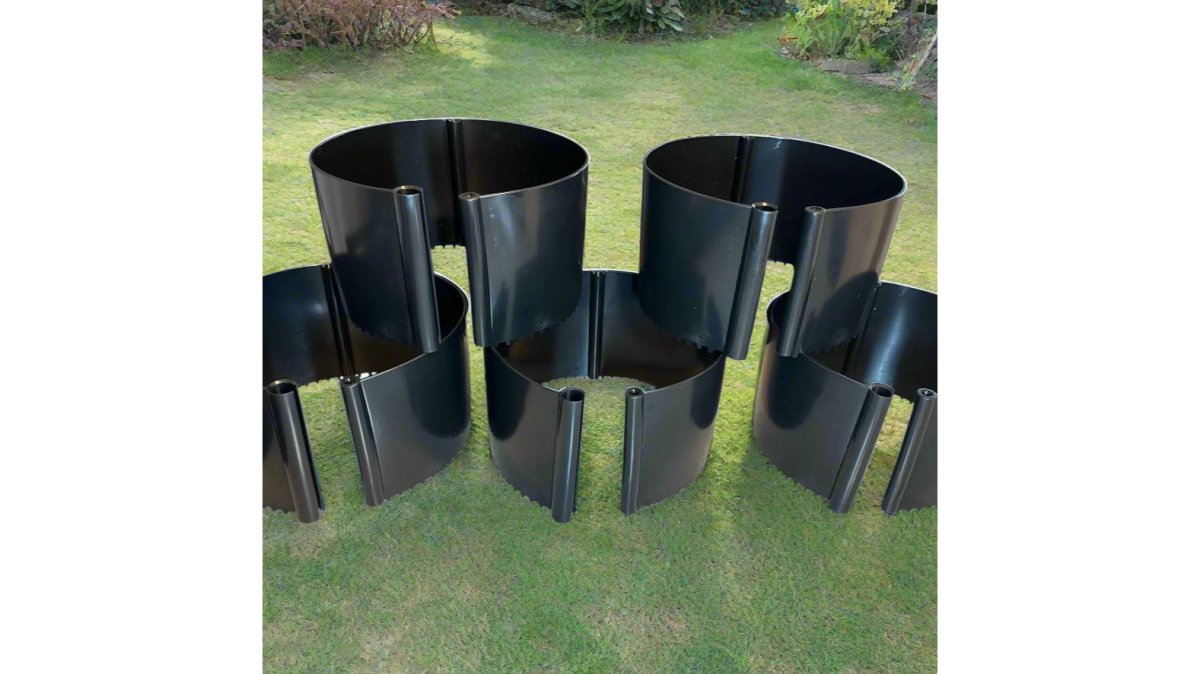
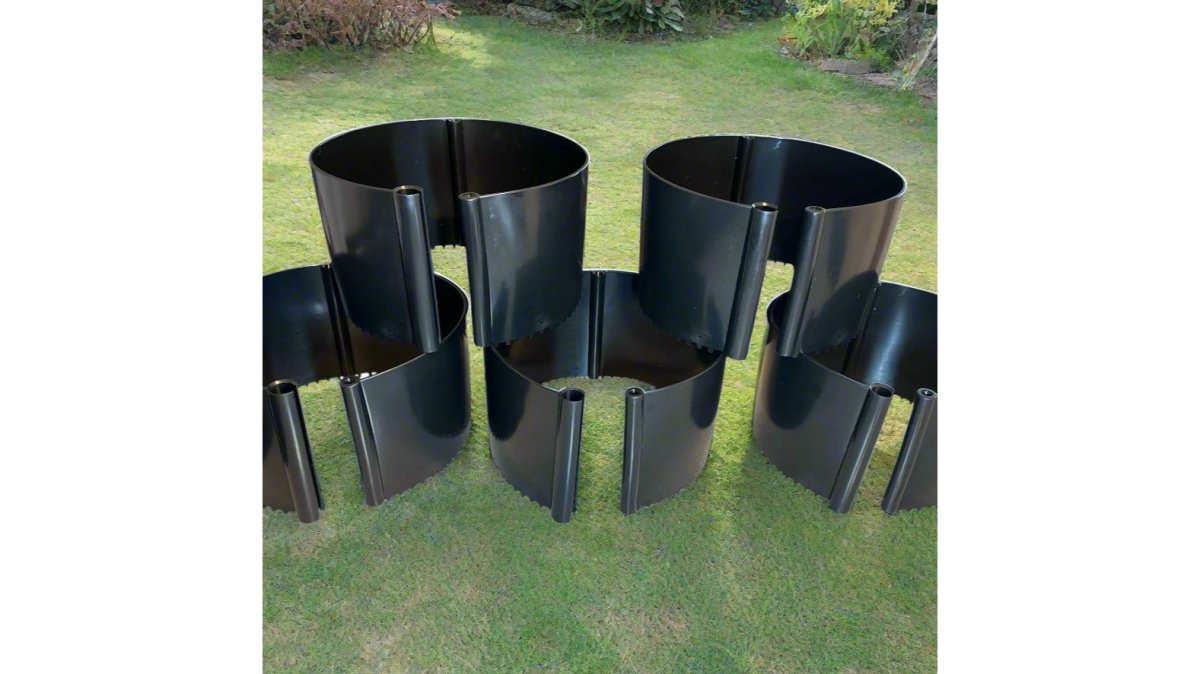
A root-zone watering tool makes this easier.
By concentrating water at the root zone, the ring helps reduce runoff and evaporation.
How Soil Type, Mulch, and Shade Change What Your Roots Get
Two gardens can get the same amount of water and end up with very different root zones. Soil type, mulch, shade, and each plant's micro-climate all change how much moisture stays put and how long roots can draw on it.
Soil Type Sets the Speed
Sandy soil drains fast, so water passes the root zone before roots can take it up, and a sandy bed may need smaller, more frequent soaks.
A simple field check: squeeze a handful of moist soil. Sandy soil falls apart. Clay soil forms a ribbon that holds together.
Mulch Slows Evaporation and Steadies Temperature
A two-to-three-inch layer of straw, shredded leaves, or bark slows evaporation from the soil surface and keeps soil temperatures steadier through the day. The USDA Natural Resources Conservation Service guide to mulching explains how ground cover protects soil and reduces water loss. Keep mulch a couple of inches back from plant stems to avoid trapping moisture against the stem, and refresh it as it breaks down through the season.
Shade and Micro-Climate
A bed that bakes in full sun all day loses water faster than one with afternoon shade, and shade cloth can cut heat stress during a heat wave.
Tall companion plants can cast natural afternoon shade on shorter, heat-sensitive crops without blocking morning sun.
Soil surface color and cover also matter. Bare, dark soil heats up fast and loses moisture quickly.
Putting It Together
Read your garden as a set of micro-climates, not one uniform bed. The sandy, full-sun corner dries out first, while the clay, afternoon-shaded middle holds moisture longest. Check the root zone in each area separately and adjust volume and frequency to match. A root-zone watering tool like Garden Water Ring helps in trickier spots because it delivers water directly around the plant base, reduces runoff and evaporation, and works on mild slopes.
Matching Water Volume to Plant Size and Weather
"Water deeply" is good advice with no numbers attached. Roots live in inches of soil and water is measured in gallons, so the two have to be connected before you can check whether roots got enough. Here is how to put rough numbers behind the soak.
Start With Rooting Depth, Not Plant Height
Most vegetable roots concentrate in the top 6 to 12 inches of soil, though the full root system reaches deeper. A useful soak wets at least the top 6 inches for seedlings and young transplants, and 8 to 12 inches for established tomatoes, peppers, squash, and cucumbers.
Gallons Per Plant, Roughly
Soil type changes how much water a given volume actually wets. These are working estimates, not formulas:
| Plant stage | Soil type | Approximate water per plant per deep soak |
|---|---|---|
| Seedling or new transplant | Sandy | 0.25-0.5 gallon |
| Seedling or new transplant | Loam | 0.5-1 gallon |
| Seedling or new transplant | Clay | 1-1.5 gallons, applied slowly |
| Established medium plant | Sandy | 1-2 gallons |
| Established medium plant | Loam | 2-3 gallons |
| Established medium plant | Clay | 3-4 gallons, split into two passes |
| Large fruiting plant (tomato, squash) | Sandy | 2-3 gallons |
| Large fruiting plant (tomato, squash) | Loam | 3-5 gallons |
| Large fruiting plant (tomato, squash) | Clay | 5-6 gallons, split into two or three passes |
Clay soil holds more water per gallon but absorbs it slowly, so split the total into passes and let each one soak in before adding the next. Sandy soil drains fast, so a single large pour can push water below the root zone before roots can use it.
Weather Adjustments
Hot, windy days pull moisture out of soil and out of leaves through transpiration, and large-leafed plants like squash and cucumber lose water fastest. During a stretch above 90°F with wind, check the root zone daily and water every one to two days for large plants. On cool, cloudy days, skip watering if the soil two inches down still feels damp.
Why Volume Beats Frequency
Light daily sips keep moisture in the top inch or two, training roots to stay shallow and making plants more vulnerable when heat arrives. Deep, less frequent soaks push moisture down to cooler soil that holds longer and encourage roots to grow downward. Garden Water Ring applies the same principle: it holds up to 2 gallons and releases it slowly around the plant base, so the volume lands where roots can use it instead of running off.
Quick Volume Check
If you are unsure whether a soak was enough, wait an hour and dig a small hole 6 inches deep near the plant. Damp soil at the bottom means the volume was right; dry soil means add another pass; soggy, pooling soil means you overshot and should wait longer before watering again.
Fixing Dry Root Zones: Recovery Steps and What to Avoid
A dry root zone can recover if you act before the plant shuts down.
Water in stages: add water, wait for it to soak in, then add more, repeating until moisture reaches several inches down.
Avoid these common mistakes:
- Watering the leaves instead of the soil
- Giving small sips every day instead of deep soaks
- Skipping mulch, which lets soil dry out fast
- Ignoring slopes, where water runs off before it soaks in
After a heat wave, give stressed plants time to recover. Keep the root zone evenly moist, not soaked.
For a full recovery routine, see the university extension guidance on watering vegetables from cooperative extension programs, which cover soil moisture and plant hydration in detail.
Conclusion: Check the Root Zone, Not the Surface
The surface lies. Roots tell the truth, and the only way to hear it is to dig in and check.
Once you know how to check if plant roots are getting enough water, watering stops being guesswork. You water when the root zone needs it, not when the calendar says so.
Garden Water Ring makes that deep soak easier. It holds up to 2 gallons, releases water right at the root zone, and works on mild slopes. It is strong, durable, and reusable season after season. Orders ship directly from the manufacturer, and Garden Water Ring currently includes free shipping in the USA.
Frequently Asked Questions
How deep should soil be moist for vegetable plants?
Most vegetable roots feed in the top 6 to 12 inches of soil, so that zone should stay consistently moist, not soaked. Check with your finger, a trowel, or a moisture probe after watering. If only the top inch is wet and the rest is dry, you are surface watering and plant roots are not getting enough water.
What are the signs of underwatered plants in a vegetable garden?
Look for curled or crispy leaf edges, dull gray-green color, wilting that does not recover by evening, and slow new growth. Squash and cucumbers may drop blossoms. These signs of underwatered plants often appear before the soil surface looks dry, because the root zone dries out first.
What is the best time of day to check soil moisture?
Early morning is best. Soil is coolest, evaporation is low, and you get an accurate reading before the day's heat skews it. If you check at midday, a dry surface may just reflect afternoon sun, not a dry root zone. Morning checks also let you water before heat stress builds.
Does surface watering provide enough moisture for deep roots?
Usually not. Quick surface watering wets only the top inch or two, and evaporation takes most of it. Deep soak watering, delivered slowly to the root zone, pushes moisture down where roots actually drink. A root-zone tool like Garden Water Ring holds up to 2 gallons and releases it slowly around the plant base.
Dry root zones are the quiet cause of most struggling vegetable gardens. Garden Water Ring solves that with a patented, one-piece design that holds up to 2 gallons, installs in seconds with no tools, and sends water straight to the roots. It is made in the USA from UV-resistant, BPA-free polypropylene and built to last. Shop Garden Water Ring and give your plants the deep, root-zone watering they actually need.

Leave a comment
This site is protected by hCaptcha and the hCaptcha Privacy Policy and Terms of Service apply.