

Table of Contents
- Why Extreme Heat Drains Zucchini Faster Than Other Crops
- The Best Time of Day to Water Vegetables During a Heat Wave
- Signs of Heat Stress in Squash Plants You Should Never Ignore
- How Much Water Zucchini Needs in Hot Weather
- Using Root-Zone Watering Tools to Cut Evaporation and Runoff
- Mulch, Shade Cloth, and Micro-Climate Management for Summer Squash
- Post-Heatwave Recovery Care for Zucchini Plants
- Conclusion
- Frequently Asked Questions
Last Updated: October 1, 2026
Why Extreme Heat Drains Zucchini Faster Than Other Crops
Zucchini plants wilt faster in extreme heat than almost any other garden vegetable, which is why keeping zucchini plants hydrated becomes the top priority. The reason comes down to leaf size, water loss, and how quickly the plant moves moisture through its tissue.
Learning how to keep zucchini plants hydrated in extreme heat starts with understanding why they struggle in the first place. This guide from Garden Water Ring walks through the timing, tools, and techniques that protect summer squash when temperatures climb.

Zucchini leaves are broad and thin. That shape captures sunlight well, but it also loses water fast through a process called transpiration. When the air is hot and dry, transpiration outpaces what the roots can pull from the soil.
How Transpiration and Evaporation Work Against Large Leaves
Transpiration is the movement of water vapor out of a plant's leaves through tiny pores called stomata. Large leaves expose more surface area, so they release more moisture than smaller-leaved crops like carrots or beans.
Two forces work against zucchini at once:
- Transpiration pulls water out of the leaves
- Evaporation pulls water out of the soil surface
Together, these losses are called evapotranspiration. The USDA Natural Resources Conservation Service guide to evapotranspiration explains how this combined process drives water demand in gardens and farms alike.
Once soil moisture drops, the plant loses turgor pressure, the internal water pressure that keeps leaves firm. That is when wilting begins.
The Best Time of Day to Water Vegetables During a Heat Wave
The best time of day to water vegetables in a heat wave is early morning, ideally before 10 a.m. Morning watering lets roots drink before the sun drives evaporation, and it gives wet leaves time to dry before evening.
Watering at midday wastes water. A large share of it evaporates before it ever reaches the root zone. Evening watering is the second-best option, but wet foliage overnight can invite fungal problems.
A practical morning routine looks like this:
- Check soil moisture about 2 inches down before watering.
- Water slowly so it soaks in rather than running off.
- Aim at the soil, not the leaves.
- Finish before the heat peaks.
Signs of Heat Stress in Squash Plants You Should Never Ignore
The first sign of heat stress in squash plants is wilting during the hottest part of the day. Mild afternoon wilt that recovers by evening is normal. Wilt that stays overnight is a warning.
Watch for these signals:
- Leaves that stay drooping after sunset
- Crisp, brown leaf edges, sometimes called foliar burn
- Blossom drop before fruit sets
- Slow or stalled fruit growth
- Yellowing leaves near the base
Heat stress and drought stress often look alike.
How Much Water Zucchini Needs in Hot Weather
A zucchini plant needs roughly 1 to 2 inches of water per week in normal weather, and more during a heat wave. That figure is useful, but it is hard to translate into a watering can. The more practical question is: how many gallons does one plant actually need?
Soil type changes how you deliver that volume:
| Soil type | Water-holding behavior | Practical adjustment |
|---|---|---|
| Sandy | Drains fast, holds little | Water smaller amounts more often; expect to water every 1-2 days in heat |
| Loam | Holds moisture well | Deep soak every 2-3 days in heat |
| Clay | Holds water but absorbs slowly | Water slowly to avoid runoff; may need 2-3 passes |
| Raised bed mix | Varies, often drains freely | Check 2 inches down before each watering |
Use this simple check to set your schedule:
| Condition | Soil Check | Action |
|---|---|---|
| Mild weather | Dry 2 inches down | Water deeply once or twice a week |
| Heat wave | Dry 1-2 inches down | Deep soak every 1-2 days |
| After rain | Damp at 2 inches | Skip watering |
| Container plants | Dry 1 inch down | Check daily, water as needed |
Deep Soak vs. Shallow Watering: What the Root Zone Actually Needs
Deep soak wins every time. Zucchini roots reach well below the surface, and shallow watering keeps moisture in the top inch where it does little good.
Using Root-Zone Watering Tools to Cut Evaporation and Runoff
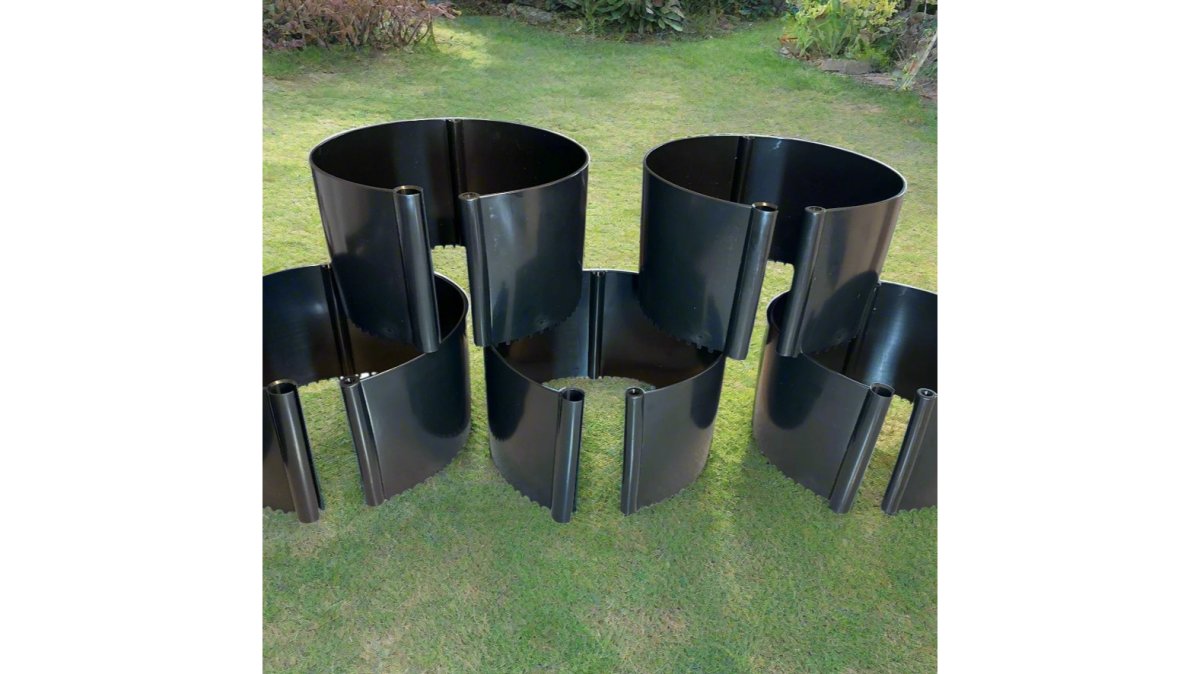
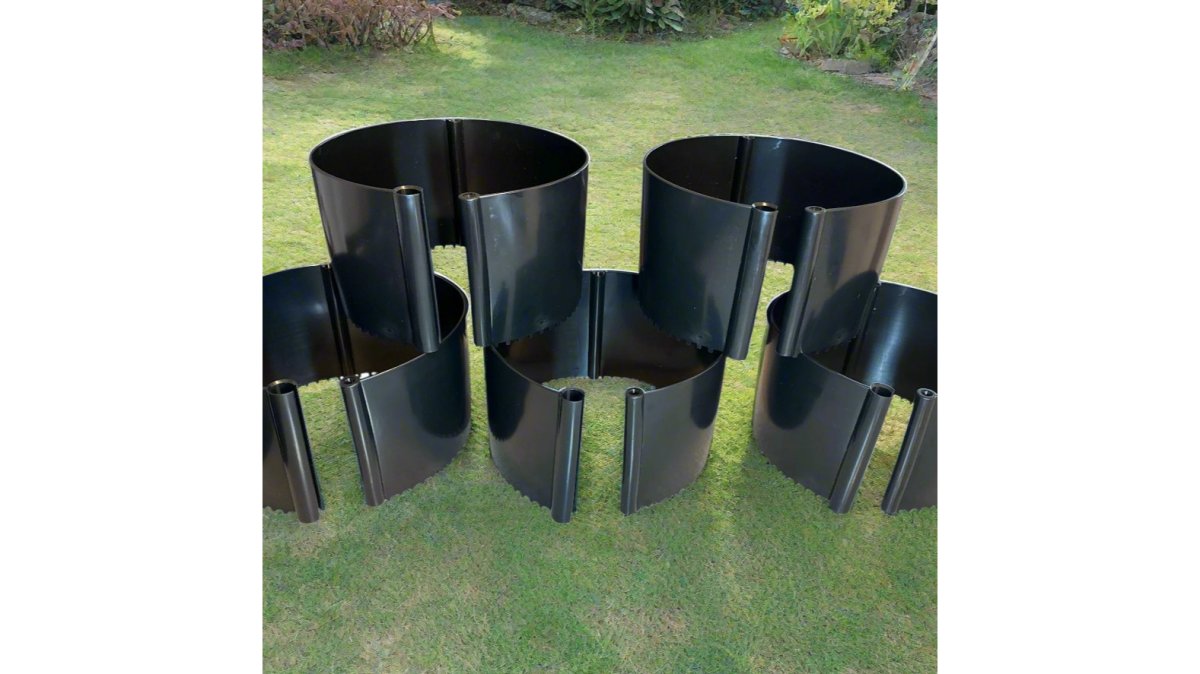
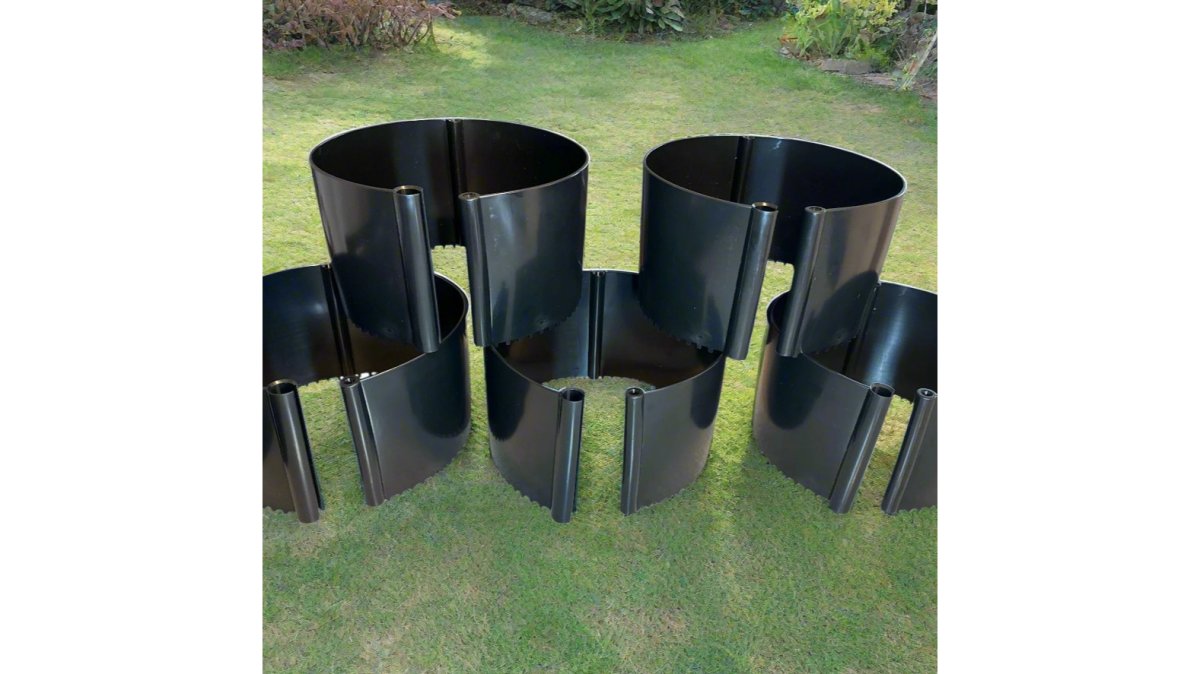
Root-zone watering tools deliver water right where roots can use it. By concentrating moisture at the base of the plant, they cut both evaporation and runoff, two of the biggest sources of wasted water in a hot garden.
Key features that help in heat:
- One continuous piece with a sliding locking system, so there are no separate wall sections to assemble
- Two 11-inch holding spikes that anchor it in the soil
- A 10-inch diameter and 6-inch height, sized for a single plant
- Made from 100% virgin BPA-free, UV- and weather-resistant polypropylene
Mulch, Shade Cloth, and Micro-Climate Management for Summer Squash
Mulch and shade cloth lower the temperature around a zucchini plant and slow moisture loss. Together they create a cooler micro-climate, the small pocket of conditions right around the plant. The bigger opportunity is shaping that micro-climate deliberately, with plant choice, companion planting, and placement, so the zucchini is working with cooler air and living shade all season.
Start With a Heat-Tolerant Variety
Not all zucchini handle heat the same way. Most articles treat every zucchini as identical, but cultivar choice matters. Varieties commonly noted for better heat set and stress tolerance include:
- Dark Star, open-habit plant that sets fruit across a wider temperature range
- Costata Romanesco, Italian heirloom with good flavor and reasonable heat performance
- Tromboncino, technically a Cucurbita moschata, so it tolerates heat and squash vine borers better than standard zucchini
- Black Beauty, widely grown, but more prone to blossom drop in sustained heat
Mulch: The First Line of Defense
Mulching is the easiest first step. A 2- to 3-inch layer of straw, shredded leaves, or compost shades the soil and slows evaporation. Keep mulch a couple of inches back from the stem to avoid rot.
Shade Cloth: When Heat Turns Extreme
Shade cloth helps when heat is extreme. A cloth rated for 30% to 50% shade, draped on hoops above the plants during the hottest hours, can reduce leaf temperatures and foliar burn. Remove it once the heat breaks.
Companion Planting for Natural Shade
This is where most guides fall short. You can build shade into the garden itself instead of relying on cloth every afternoon. Tall, heat-tolerant companions planted on the west side of a zucchini bed cast afternoon shade exactly when the plant needs it most. Good candidates include:
- Sunflowers, tall, fast-growing, and tolerant of the same heat that stresses zucchini
- Corn, a classic Three Sisters partner; plant on the west or southwest edge
- Okra, thrives in heat and reaches 4 to 6 feet, providing reliable afternoon shade
- Amaranth, tall, leafy, and unfazed by high temperatures
Placement and Container Micro-Climates
Micro-climate management also means:
- Grouping thirsty plants so they shade each other
- Watering the soil, not the leaves, to limit evaporation
- Placing containers where they get morning sun and afternoon shade
- Keeping containers off hot pavement, which radiates heat back at the plant
University extension programs are a solid source for local timing. The university cooperative extension resources on vegetable gardening can help gardeners match these steps to their own region.
Post-Heatwave Recovery Care for Zucchini Plants
Recovery after a heatwave takes patience. The goal is to help the plant rebuild without shocking it further.
Follow these steps:
- Rehydrate slowly. Give a deep soak once the worst heat passes, rather than flooding the plant.
- Skip fertilizer for a few days. Stressed roots absorb nutrients poorly.
- Trim damaged leaves. Remove crisp or browned foliage so the plant can focus on new growth.
- Check for pests. Weakened plants attract more insects, so inspect leaves and stems.
- Resume normal watering. Once new growth appears, return to a steady deep-soak schedule.
Conclusion
Extreme heat tests every zucchini grower, but the fix is simpler than it looks. Water early, soak deeply, mulch well, and shade plants when the sun turns brutal.
Frequently Asked Questions
Should I water zucchini plants every day during a heatwave?
Not necessarily. Zucchini plants usually need about 1 to 2 inches of water per week, but during a heat wave that can rise to daily watering in sandy soil or containers. Check soil moisture 2 inches down before watering. If it feels dry, water deeply in the morning. If it is still moist, wait. Deep soak sessions encourage roots to grow downward, while daily light sprinkles keep roots shallow and more vulnerable to wilting.
What are the signs of heat stress in squash plants?
Watch for wilting leaves during midday that do not recover by evening, curled or scorched leaf edges (foliar burn), blossom drop, and slowed fruit set. Squash plants may also show yellowing near the leaf margins and a sudden collapse of turgor pressure in the afternoon. If wilting persists past sunset, the plant needs a deep soak at the root zone, not a quick surface spray.
How does root-zone watering help zucchini survive extreme heat?
Root-zone watering delivers water directly to the soil around the plant's roots instead of the leaves, which reduces evaporation and runoff. Tools like the Garden Water Ring hold up to 2 gallons and release it slowly into the root zone, keeping soil moisture steady through the hottest part of the day. This supports deeper root development and helps the plant maintain turgor pressure when temperatures climb.
Can extreme heat cause zucchini blossoms to drop?
Yes. When daytime temperatures stay above 90°F, zucchini plants often drop blossoms because pollen becomes less viable and the plant redirects energy to survival. Keeping soil moisture consistent with morning deep soaks and a layer of mulch can reduce this stress. Shade cloth during peak afternoon hours also helps lower leaf temperature and may improve fruit set once the heat wave passes.

Leave a comment
This site is protected by hCaptcha and the hCaptcha Privacy Policy and Terms of Service apply.