Table of Contents
- Why Watering Frequency Matters for Container Gardens
- Choose the Right Pot Material and Size
- Best Potting Soil for Water Retention
- Benefits of Root-Zone Irrigation for Container Plants
- Signs of Overwatering Container Plants and How to Prevent It
- Mulching and Soil Amendments to Reduce Water Loss
- Seasonal Adjustments and Timing Strategies
- Conclusion
- Frequently Asked Questions
Last Updated: October 1, 2026
Why Watering Frequency Matters for Container Gardens
Learning how to reduce watering frequency for outdoor potted plants is one of the most practical ways to save time, conserve water, and keep plants healthier. Container gardens dry out faster than in-ground beds because soil in pots has less thermal mass and more surface area exposed to sun and wind. This means gardeners often water more than necessary, wasting water and risking root rot from overwatering.
Less frequent, deeper watering encourages stronger root systems than shallow, daily watering. Roots grow deeper to find moisture, making plants more resilient during dry spells and more efficient at absorbing nutrients.
Outdoor potted plants face unique challenges: pots heat up in direct sun, accelerating evaporation, and wind increases water loss. With the right soil, pot selection, and irrigation technique, you can reduce watering frequency while growing healthier plants.
Choose the Right Pot Material and Size
Pot material affects how quickly soil dries. Understanding these properties helps you select containers that reduce watering frequency.
Terracotta and clay pots are highly porous and breathable. Water evaporates through the pot walls as well as the soil surface, making them the fastest-drying option. Terracotta heats up quickly in direct sun, accelerating evaporation and transpiration. It's ideal for succulents and herbs but requires more frequent watering for moisture-loving vegetables.
Plastic pots are non-porous and retain moisture longer than terracotta because water doesn't escape through the sides. Plastic is an excellent choice for reducing watering frequency in hot or dry climates, though pots can overheat roots in extreme full-sun conditions.
Fabric containers offer a middle ground between plastic and terracotta. They breathe better than plastic but retain moisture longer than terracotta. Fabric pots air-prune roots, encouraging a more compact, efficient root system. They're durable and reusable for long-term gardening.
Pot size and soil volume directly influence watering frequency. More soil means greater water-holding capacity and slower drying. However, oversized pots risk root rot if the plant's root system doesn't fill the pot. Match pot size to your plant's mature root system: tomatoes and peppers need 5-gallon containers; lettuce and herbs thrive in 2-3 gallon pots.
Drainage holes are non-negotiable. Even the most water-retentive soil cannot prevent root rot without proper drainage. Ensure pots have at least one drainage hole at the bottom, and elevate pots slightly on pot feet or stones to allow air circulation underneath. This prevents water from pooling under the pot and keeps the root zone oxygenated.
Practical selection guide:
- For hot, dry climates: Plastic or fabric pots (5+ gallons) to maximize moisture retention
- For cool or humid climates: Terracotta or fabric pots to prevent waterlogging
- For vegetables (tomatoes, peppers, squash): 5-gallon plastic or fabric containers with excellent drainage
- For herbs and leafy greens: 2-3 gallon fabric or plastic pots
- For long-term reuse: Fabric containers (durable, air-prune roots, breathable)
Best Potting Soil for Water Retention
The soil you choose directly impacts how often plants need watering, making it essential to understand how to reduce watering frequency for outdoor potted plants. Standard potting mix is engineered for good drainage but can dry too quickly for outdoor containers exposed to sun and wind. To reduce watering frequency, you need to understand how different soil components hold and release water.
Water clings to soil particles through capillary action. Larger particles (sand, perlite) drain quickly but hold little water. Smaller particles (clay, silt) hold water tightly but can become waterlogged. Ideal container soil balances water retention with aeration.
Peat moss and coconut coir are primary water-retention components in quality potting mixes. Both contain tiny air pockets that absorb and hold water while allowing root access to oxygen. Coconut coir is increasingly preferred because it's renewable, while peat is mined from finite wetlands. Both hold 8-10 times their own weight in water.
Perlite and coarse sand improve drainage and aeration. Perlite is volcanic glass that's been heated until it pops, creating lightweight, porous particles (Perlite Statistics and Information). It doesn't hold water but creates air channels in the soil, preventing compaction. Coarse sand (not fine sand) serves a similar function. Without these drainage components, soil becomes dense and waterlogged.
A balanced potting mix for outdoor containers typically includes:
- 40% peat moss or coconut coir (water retention)
- 30% compost or aged bark (organic matter, slow nutrient release)
- 20% perlite or coarse sand (aeration and drainage)
- 10% additional amendments (hydrogels, worm castings, or vermiculite)
Hydrogels are polymer crystals that absorb water and release it slowly as soil dries, extending time between waterings. A single crystal can hold up to 300 times its weight in water. Mix hydrogels into the top 3-4 inches of soil at planting time; they remain effective for 3-5 years. Follow package directions, too much hydrogel can cause waterlogging if drainage is poor.
Mulch reduces surface evaporation. A 1-2 inch layer of organic mulch acts as a barrier against sun and wind, keeping soil cooler and moderating temperature swings. Leave a 2-inch gap around the plant stem to prevent rot. Refresh the top layer each season to maintain water-holding capacity.
Compost and aged bark add organic matter that acts like a sponge in the soil, holding water in pores while maintaining air spaces. High-quality compost (aged 6+ months) is less likely to compact than fresh compost.
Practical soil recipe for reducing watering frequency:
- Start with a quality potting mix as your base
- Add 1-2 tablespoons of hydrogel crystals per gallon of soil (follow package directions)
- Mix in 2-3 inches of compost or aged bark
- Top with 1-2 inches of mulch, leaving space around the stem
- Ensure the pot has at least one drainage hole and sits on pot feet
Important trade-off: More water retention means less frequent watering, but it also means you must be more careful not to overwater. Soil that holds water longer can become waterlogged if you water on a fixed schedule instead of checking moisture first. Always test soil moisture before watering, even with amended soil.
Benefits of Root-Zone Irrigation for Container Plants
Root-zone irrigation delivers water directly to the root zone, reducing runoff and evaporation compared to overhead watering. Water concentrates where roots absorb it instead of being sprayed across the entire soil surface.
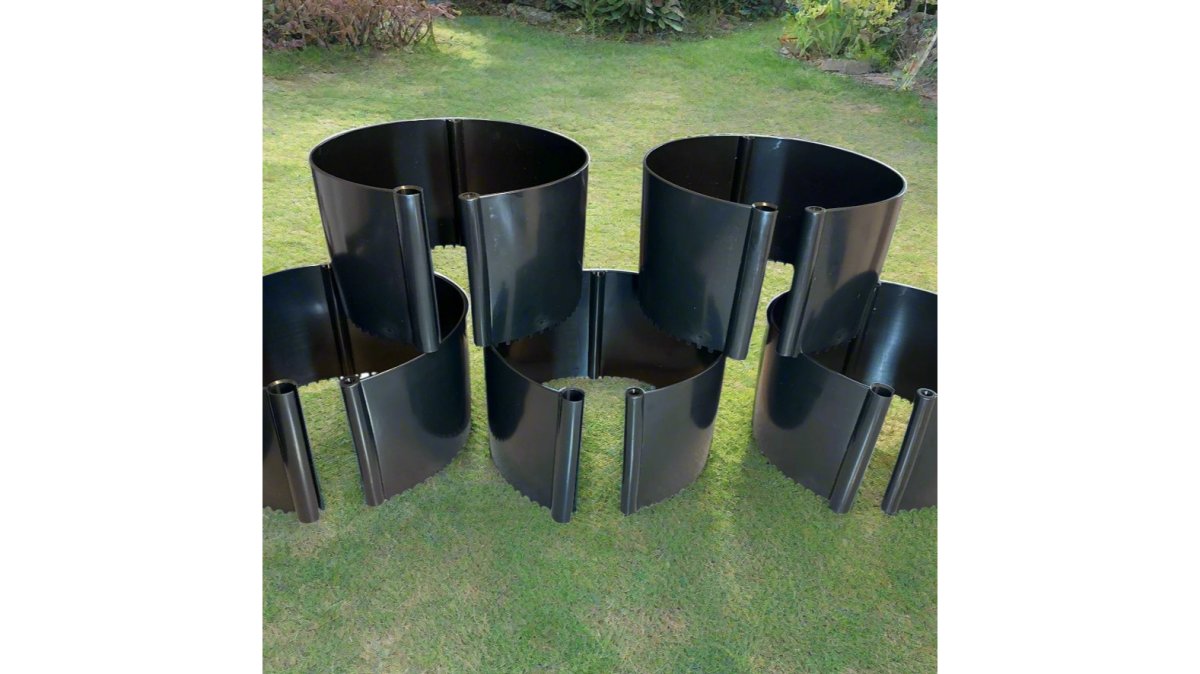
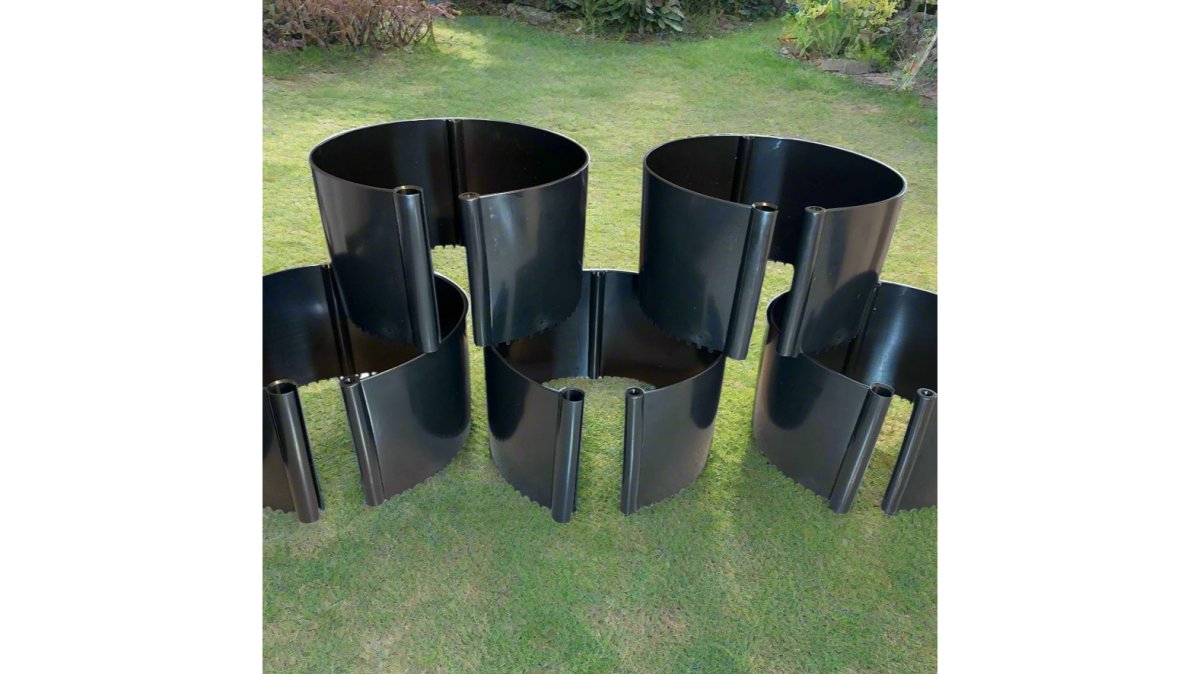
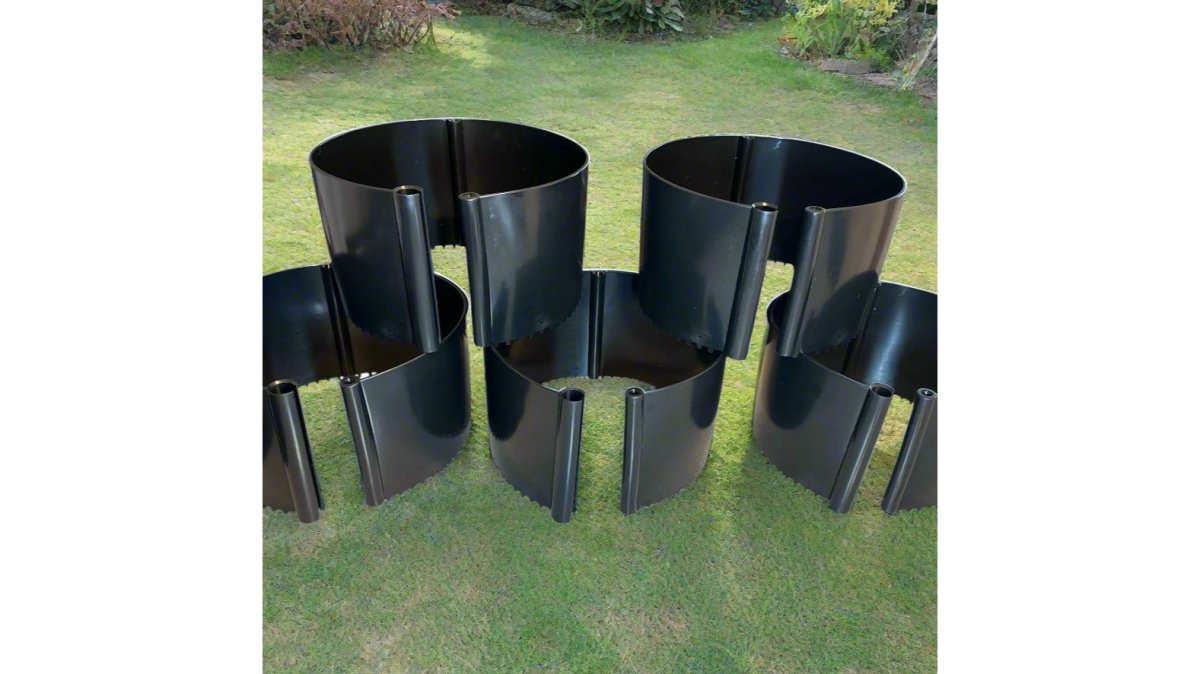
The Garden Water Ring is a patented, one-piece root-zone watering solution for container plants. It holds up to 2 gallons and includes two 11-inch spikes that anchor it 2 inches into the soil.

Root-zone irrigation offers several advantages:
- Concentrated delivery: Water reaches roots, not bare soil
- Reduced runoff: Valuable on sloped terrain
- Lower evaporation: Water soaks into soil instead of sitting on the surface
- Improved fertilizer efficiency: Nutrients stay in the root zone longer
- Deeper root development: Stronger roots develop when water reaches deeper into soil
Signs of Overwatering Container Plants and How to Prevent It
Overwatering is the most common mistake in container gardening. Roots need oxygen as much as water. When soil stays saturated, roots rot. Overwatered plants show wilting leaves that feel soft and mushy.
Signs of overwatering:
- Yellowing leaves that feel soft
- Soil that smells sour or musty
- Roots that appear brown and mushy
- Fungus gnats hovering around the pot
- Wilting despite wet soil
Mulching and Soil Amendments to Reduce Water Loss
Soil amendments improve the soil's ability to hold water while maintaining good drainage. Compost adds organic matter that acts like a sponge, holding water in the pore spaces between soil particles. Aged bark increases water retention while improving aeration.
Seasonal Adjustments and Timing Strategies
Watering needs change dramatically with the seasons. Spring and fall bring cooler temperatures and more rainfall, reducing evaporation. Summer heat and wind increase water loss. Winter dormancy means many plants need almost no water.
Conclusion
Reducing watering frequency for outdoor potted plants comes down to three fundamentals: choosing the right soil and pot, directing water to the root zone, and adjusting your schedule to actual soil conditions rather than a fixed calendar.
Frequently Asked Questions
How often should outdoor potted plants be watered?
Watering frequency depends on soil moisture, pot size, material, and weather. Check soil 2 inches below the surface, water only when dry at that depth. Most outdoor potted plants need water every 2-4 days in warm weather, but this varies. Using a root-zone watering solution like the Garden Water Ring concentrates water around the root zone, reducing how often you need to water by allowing deeper soil saturation and less evaporation.
What is the best potting soil for outdoor containers?
Look for potting soil with peat moss, coconut coir, or perlite for water retention and drainage balance. High-quality potting soils hold moisture without becoming waterlogged. Add water-retention additives like hydrogels or compost to improve water-holding capacity. Avoid garden soil, which compacts in containers. The right soil mix, combined with proper drainage holes and container size, significantly reduces watering frequency.
Can mulch really reduce how often I water potted plants?
Yes. A 1- to 2-inch mulch layer over soil reduces evaporation and keeps the root zone cooler. Organic mulches like straw or wood chips break down over time, improving soil structure and water retention. Mulch also moderates soil temperature swings that cause water stress. Combined with root-zone irrigation, mulch helps extend the time between waterings.
How do I know if my potted plants are overwatered?
Signs include yellowing leaves, soft stems, a sour soil smell, and fungus gnats. Overwatering causes root rot because roots cannot access oxygen in saturated soil. Check soil moisture before watering, if it feels wet 2 inches down, wait. Using a root-zone watering system delivers water only where the plant needs it, preventing the runoff and excess saturation that leads to overwatering damage.
Ready to reduce watering frequency and grow healthier plants? Shop Garden Water Ring and discover how root-zone irrigation transforms container gardening. Free shipping in the USA.

Leave a comment
This site is protected by hCaptcha and the hCaptcha Privacy Policy and Terms of Service apply.