Table of Contents
- Why Some Vegetables Handle Dry Spells Better Than Others
- 5 Best Drought Resistant Vegetables for Home Gardeners
- Low-Water Vegetables That Still Fill a Plate
- Watering Vegetables During Drought: Timing and Technique
- Deep Watering Vegetable Plants for Stronger Roots
- Mulching a Vegetable Garden to Hold Moisture
- Common Mistakes That Waste Water in a Dry Garden
- Getting Started With Drought Resistant Vegetables
- Frequently Asked Questions
Last Updated: October 9, 2026
Why Some Vegetables Handle Dry Spells Better Than Others
Some vegetables survive dry spells because of how they are built, not because they are lucky. Deep taproots, waxy leaves, and thick stems let certain plants keep producing when shallow-rooted crops wilt. This guide from Garden Water Ring covers the 5 best drought resistant vegetables for home gardeners, plus the watering habits that keep them alive.
The difference comes down to water storage and root depth.
Plants with deep roots pull moisture from lower soil layers long after the surface dries out. Plants with small, waxy leaves lose less water through their leaves each day. According to University of Minnesota Extension on watering vegetables, most garden vegetables need roughly 1 inch of water per week, but drought-tolerant types stretch that supply further.
That matters more every year. Many gardeners in dry regions now plan their beds around water limits from the start, not as an afterthought.
Below, the guide breaks down five proven crops, then shows how to water them so the soil stays moist where roots actually live.
5 Best Drought Resistant Vegetables for Home Gardeners
The five crops below share one trait: they produce well when water is scarce. Each entry explains why the plant tolerates heat, how to plant it, and what care it needs through a dry summer.
| Vegetable | Water Need | Root Style | Best For |
|---|---|---|---|
| Tomatoes | Moderate | Deep, spreading | Beginners, containers |
| Peppers | Low to moderate | Compact, fibrous | Hot, sunny beds |
| Squash and zucchini | Moderate | Deep, vigorous | Large beds, hills |
| Beans and cowpeas | Low | Deep taproot | Hot, dry summers |
| Swiss chard | Moderate | Shallow but tough | Cut-and-come-again harvests |
Tomatoes: Deep Roots and Heavy Fruit Set
Tomatoes are the workhorse of a dry garden. Their roots reach deep when the soil allows it, and the plants keep setting fruit as long as moisture stays steady at the root zone. The catch is consistency. A tomato that dries out and then floods will crack its fruit and drop blossoms.
Plant tomatoes in full sun with good drainage. Water deeply twice a week instead of lightly every day. A layer of mulch over the root zone slows evaporation and keeps soil temperatures even.
Many gardeners find that concentrating water at the base of each plant, rather than soaking the whole bed, keeps tomatoes productive with less total water.
Peppers: Compact Plants That Tolerate Heat
Peppers handle heat better than almost any other fruiting vegetable. Their compact size means they need less water than tomatoes, and their leaves tolerate strong sun without scorching. Bell, jalapeño, and poblano types all perform well in dry conditions.
The trade-off is slow growth early in the season. Peppers stall in cool soil, so wait until nights stay warm before planting. Once established, water every three to four days and let the top inch of soil dry between rounds.
Squash and Zucchini: Vigorous Vines That Shade Their Own Soil
Squash and zucchini grow fast and spread wide. That sprawling canopy shades the soil beneath it, which cuts evaporation and keeps roots cooler. The plants still need steady moisture while fruit forms, but their size does much of the water-saving work for them.
Plant on hills or mounds so water drains away from the crown. Water at the base in the morning, and keep leaves dry to reduce disease pressure.
Beans and Cowpeas: Legumes Built for Hot, Dry Summers
Beans and cowpeas are the most drought-tolerant crops in this group. Their deep taproots hunt for moisture far below the surface, and cowpeas in particular thrive in heat that shuts down other legumes. Both crops also add nitrogen back to the soil, which helps the next planting.
Sow seed directly once soil warms. Water young plants until they establish, then cut back. Cowpeas often produce a full harvest on rainfall alone in many regions.
Swiss Chard: A Leafy Green That Keeps Producing
Swiss chard is the rare leafy green that shrugs off heat. Its broad leaves lose water slowly, and the plant regrows after every cut, so one planting feeds a kitchen for months. Chard handles partial shade, which helps in the hottest weeks.
Keep chard watered every few days for tender leaves. A thick mulch layer makes a noticeable difference in how long the plant stays productive.
Low-Water Vegetables That Still Fill a Plate
Beyond the top five, several other low-water vegetables earn a spot in a dry garden. These crops stretch a limited water supply without sacrificing much harvest.
- Okra: Loves heat and produces pods all summer
- Amaranth: Edible leaves and seeds, very tough
- Sweet potatoes: Deep roots, drought-hardy vines
- Kale: Handles dry spells better than most greens
- New Zealand spinach: Thrives in heat where regular spinach bolts
A mix of these crops keeps a garden productive even when water is tight.
Watering Vegetables During Drought: Timing and Technique
Watering vegetables during drought works best early in the morning, when cooler air and calm winds let water soak in instead of evaporating. Timing matters as much as volume.
Key habits for dry spells:
- Water deeply two or three times a week, not lightly every day
- Aim water at the soil, never the leaves
- Check moisture by pushing a finger 2 inches into the soil
- Water in the morning to reduce evaporation loss
- Group thirsty plants together so water goes where it counts
Shallow daily watering trains roots to stay near the surface, where soil dries fastest. Deep, less frequent watering does the opposite.
Deep Watering Vegetable Plants for Stronger Roots
Deep watering vegetable plants pushes moisture down to where roots can follow it. Roots grow toward water, so a garden watered deeply develops stronger, deeper root systems that survive dry stretches.
The goal is to wet the soil to a depth of 6 to 8 inches. That takes a slow, steady soak, not a quick splash. A soaker hose or a slow pour at the base of each plant works well.
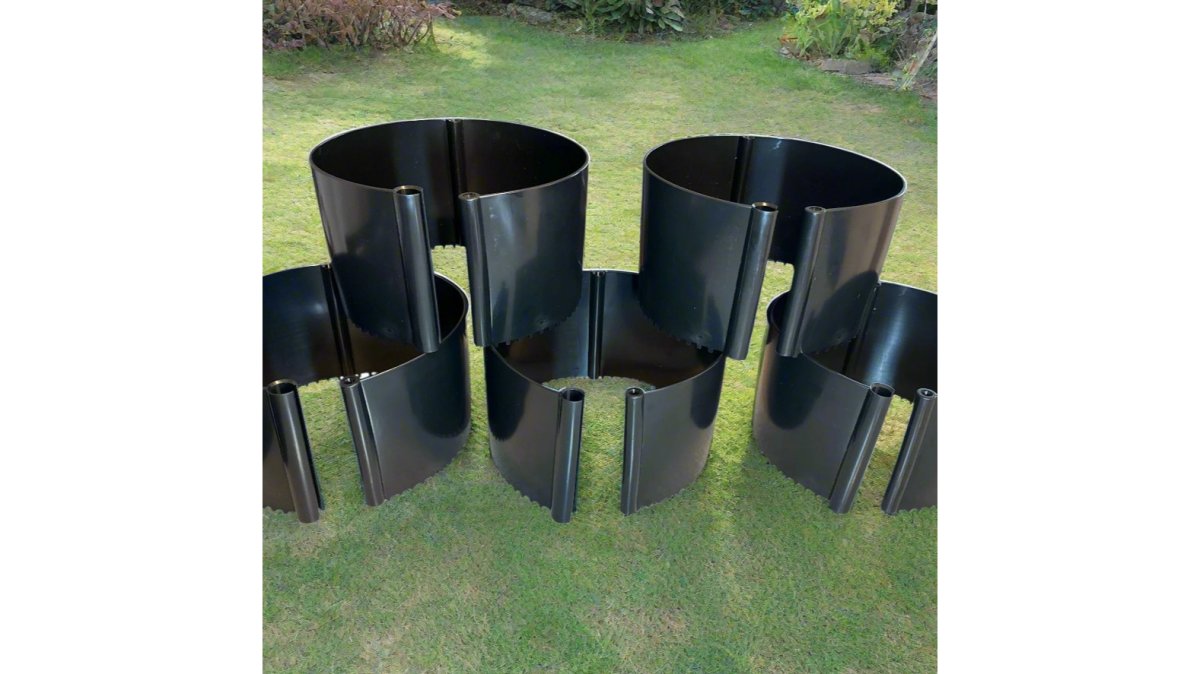
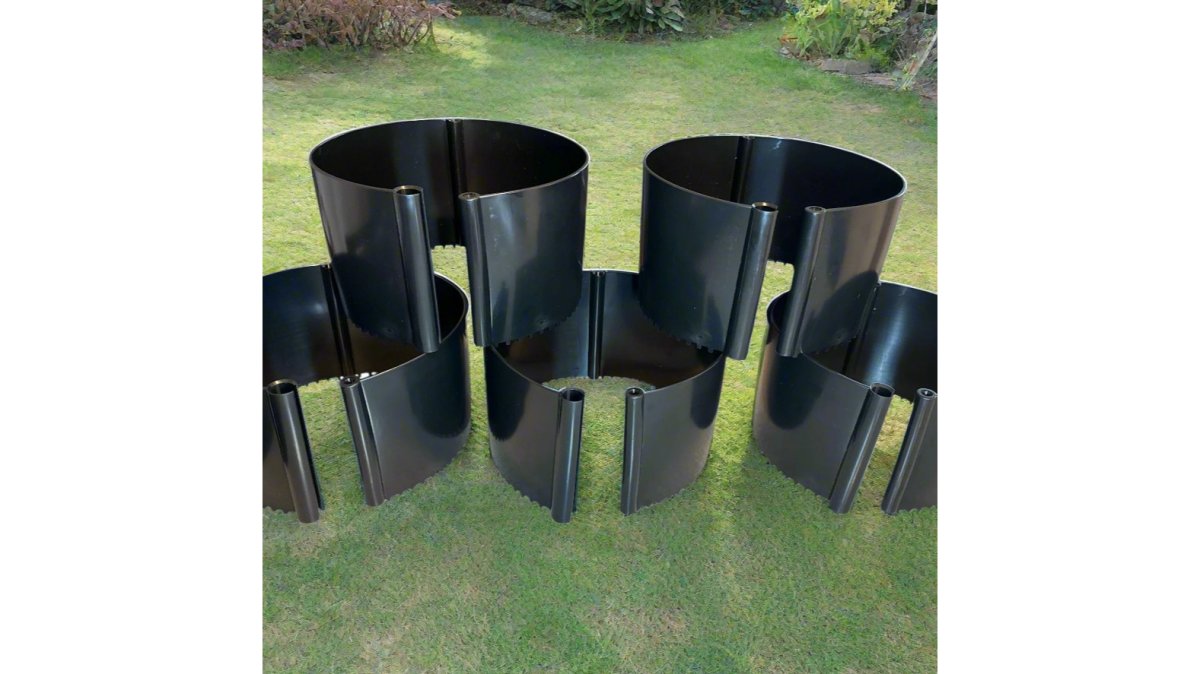
Garden Water Ring is a patented, reusable root-zone watering product that holds up to 2 gallons and releases it slowly around the plant's base. Its one-piece design opens and closes with a sliding male/female lock, and two 11-inch holding spikes keep it in place. Water and fertilizer go straight to the root zone, which cuts runoff and evaporation and reduces watering between plants.
Mulching a Vegetable Garden to Hold Moisture
Mulching a vegetable garden is the cheapest way to cut water loss. A 2- to 3-inch layer of organic mulch over the soil surface slows evaporation, keeps soil temperatures steady, and blocks many weed seeds from sprouting.
Good mulch choices include:
- Straw or shredded leaves
- Grass clippings, dried first
- Untreated wood chips
- Compost
Apply mulch after the soil warms in late spring. Pull it back a few inches from stems so the crown stays dry and disease-free.
Common Mistakes That Waste Water in a Dry Garden
Most water waste in a dry garden comes from a handful of repeat mistakes. Fixing them stretches every gallon further.
- Watering at midday, when evaporation peaks
- Giving small daily sips instead of deep soaks
- Letting water run off slopes instead of soaking in
- Skipping mulch and leaving soil bare
- Watering the leaves instead of the root zone
- Ignoring the soil and guessing at moisture
Getting Started With Drought Resistant Vegetables
Start small. Pick two or three crops from the list above that match the garden's sun and soil, then build the watering routine around deep, infrequent soaks. Add mulch. Check soil moisture before reaching for the hose.
A dry summer does not have to mean a failed garden. The right crops, planted well and watered deeply, keep producing when the rain stops. Garden Water Ring helps by putting water exactly where roots need it, cutting runoff, evaporation, and wasted effort. Orders ship directly from the manufacturer.
Ready to water smarter this season? Shop Garden Water Ring and give every plant a steady drink at the root zone.
Frequently Asked Questions
Which vegetables are the most drought tolerant for a home garden?
Tomatoes, peppers, squash, beans and Swiss chard are among the most reliable drought resistant vegetables for home gardeners. Each has traits that help it cope with dry spells: tomatoes and peppers send roots deep, squash vines spread wide and shade the soil, beans and cowpeas fix nitrogen and tolerate heat, and chard keeps producing leaves even when water is limited. Plant them in full sun with compost worked into the soil, then water deeply and less often so roots grow downward instead of staying near the surface.
How often should I water my vegetable garden during a dry spell?
Most established vegetable plants do best with one thorough watering per week rather than a light sprinkle every day. During extreme heat, check the top 2 to 3 inches of soil with your finger; if it is dry, water slowly until moisture reaches the root zone. Watering vegetables during drought works best in the early morning, when temperatures are lower and less water is lost to evaporation. A root-zone watering product such as Garden Water Ring holds up to 2 gallons right at the plant base, so more of that water soaks in instead of running off.
Do drought-tolerant vegetables still need watering after they are established?
Yes. Drought tolerance means a plant survives dry conditions better, not that it thrives with no water at all. Once established, these vegetables still need consistent deep watering, especially while flowering and setting fruit. University extension programs generally recommend about 1 inch of water per week from rain or irrigation for most vegetable crops. Deep watering vegetable plants encourages roots to grow downward, which makes them more resilient the next time a dry stretch hits.
What is the best way to conserve water in a vegetable garden?
Start by mulching a vegetable garden with 2 to 3 inches of straw, shredded leaves or untreated grass clippings to slow evaporation and cool the soil. Group thirsty plants together, water at the base rather than overhead, and add compost so soil holds moisture longer. A reusable root-zone product like Garden Water Ring concentrates water and fertilizer around the roots, which helps reduce runoff and evaporation and cuts down on watering between plants. GardenWaterRing.com ships orders directly from the manufacturer.


Leave a comment
This site is protected by hCaptcha and the hCaptcha Privacy Policy and Terms of Service apply.