
Table of Contents
- Why a Drought Tolerant Vegetable Garden Works for Beginners
- What You'll Need Before You Plant
- Step 1: Pick Drought-Tolerant Vegetables That Fit Your Space
- Step 2: Build Soil That Holds Moisture Longer
- Step 3: Mulching a Vegetable Garden to Cut Evaporation
- Step 4: Root-Zone Watering for Vegetables That Reaches the Roots
- Vegetable Garden Watering Tips for Hot, Dry Weeks
- Common Mistakes Beginners Make in a Dry Garden
- Frequently Asked Questions
Last Updated: October 8, 2026
Why a Drought Tolerant Vegetable Garden Works for Beginners
A drought tolerant vegetable garden for beginners works because it matches plants to the water you actually have. Instead of fighting dry weather, you choose tough crops, build soil that holds moisture, and water at the roots. This guide from Garden Water Ring walks through each step.

Dry spells are normal in most growing seasons. The U.S. Drought Monitor tracks conditions across the country, and gardeners in many regions see weeks with little or no rain. Beginners often lose crops not because they picked the wrong plants, but because water ran off or evaporated before roots could drink. A drought tolerant vegetable garden for beginners solves that problem with three simple habits: right plants, better soil, and water placed where it counts.
Below, we'll show you exactly how to set up a dry-weather garden in one weekend. The steps are simple, tool-free, and built for first-timers.
What You'll Need Before You Plant
Gather your supplies first so planting day runs smoothly. Most items cost little, and several you may already own.
- Drought-tolerant vegetable seeds or seedlings
- Compost or aged manure
- Straw, shredded leaves, or bark mulch
- A hoe or hand trowel
- A hose or watering can
- Garden Water Ring for root-zone watering
Check your local cooperative extension office for a planting calendar. Extension programs publish free guides for your state's soil and climate.
Step 1: Pick Drought-Tolerant Vegetables That Fit Your Space
Start with crops that handle heat and dry spells well. These plants need less water once established.
Good picks include:
- Tomatoes and peppers
- Squash and zucchini
- Bush beans
- Swiss chard and kale
- Okra and eggplant
- Herbs like rosemary and thyme
Match plants to your space. Small beds suit compact varieties. Larger plots allow sprawling squash. For a full list of heat-tolerant options, see university extension vegetable guides.
Step 2: Build Soil That Holds Moisture Longer
Healthy soil acts like a sponge. It soaks up water and releases it slowly to plant roots.
Mix in 2 to 3 inches of compost before planting. Compost improves both sandy and clay soil. Sandy soil drains too fast, while clay holds water but suffocates roots. Compost fixes both problems.
Avoid tilling too deep. Light turning keeps soil structure intact. A layer of organic matter on top feeds worms and microbes that build tiny water-holding spaces.
Step 3: Mulching a Vegetable Garden to Cut Evaporation
Mulching a vegetable garden is one of the easiest ways to save water. A 2 to 3 inch layer of straw or shredded leaves slows evaporation from the soil surface.
Spread mulch around plants but keep it a few inches away from stems. Wet mulch against stems can cause rot. Refresh the layer mid-season as it breaks down.
Mulch also blocks weed seeds from sprouting. Fewer weeds mean less competition for water. According to USDA Natural Resources Conservation Service, mulch and cover crops help soil retain moisture during dry periods.
Step 4: Root-Zone Watering for Vegetables That Reaches the Roots
Root-zone watering for vegetables delivers water straight to the plant's roots instead of the leaves or the space between rows. This cuts waste and keeps moisture where plants can use it.
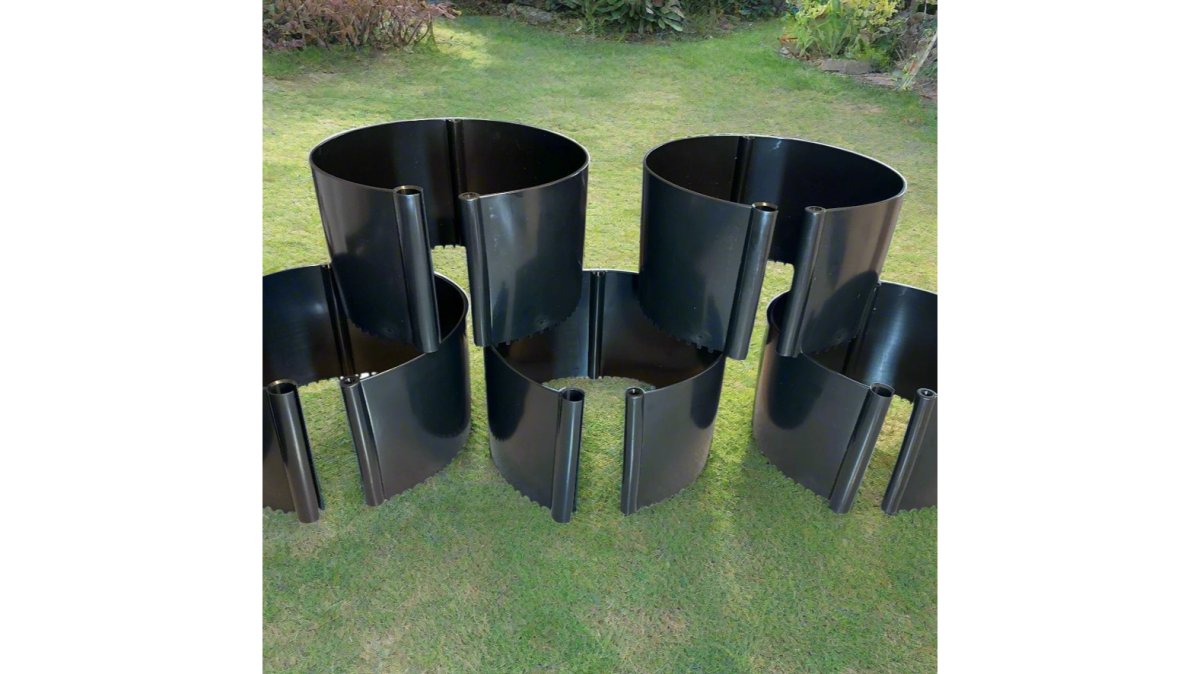
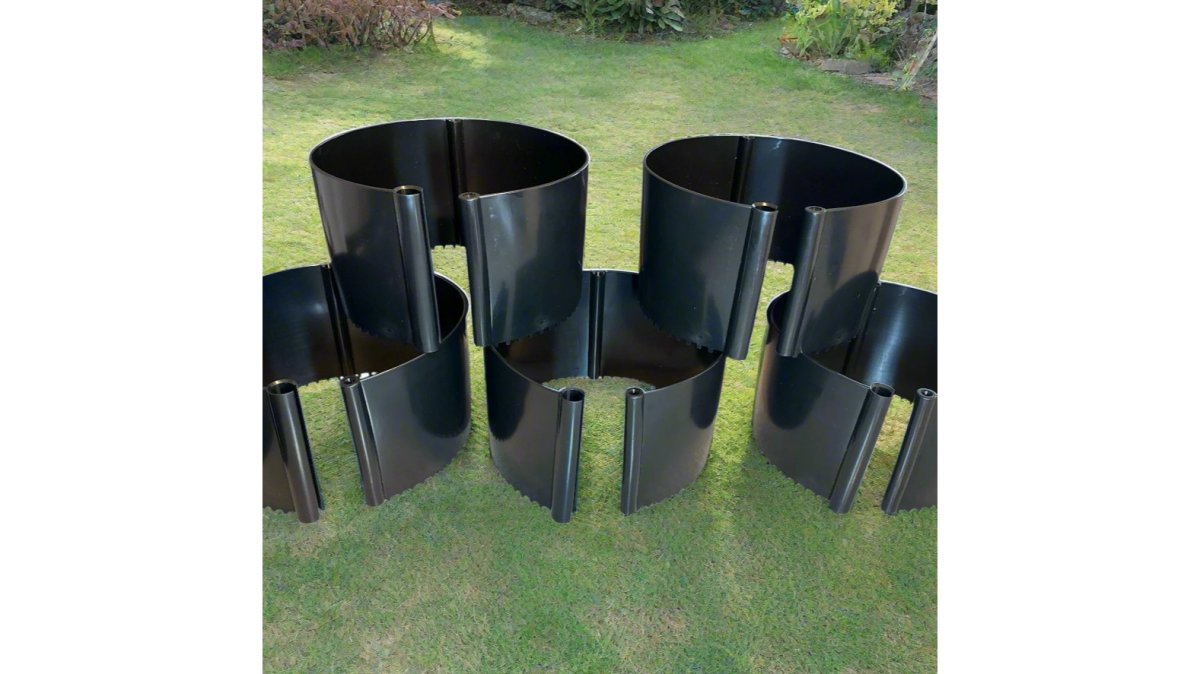
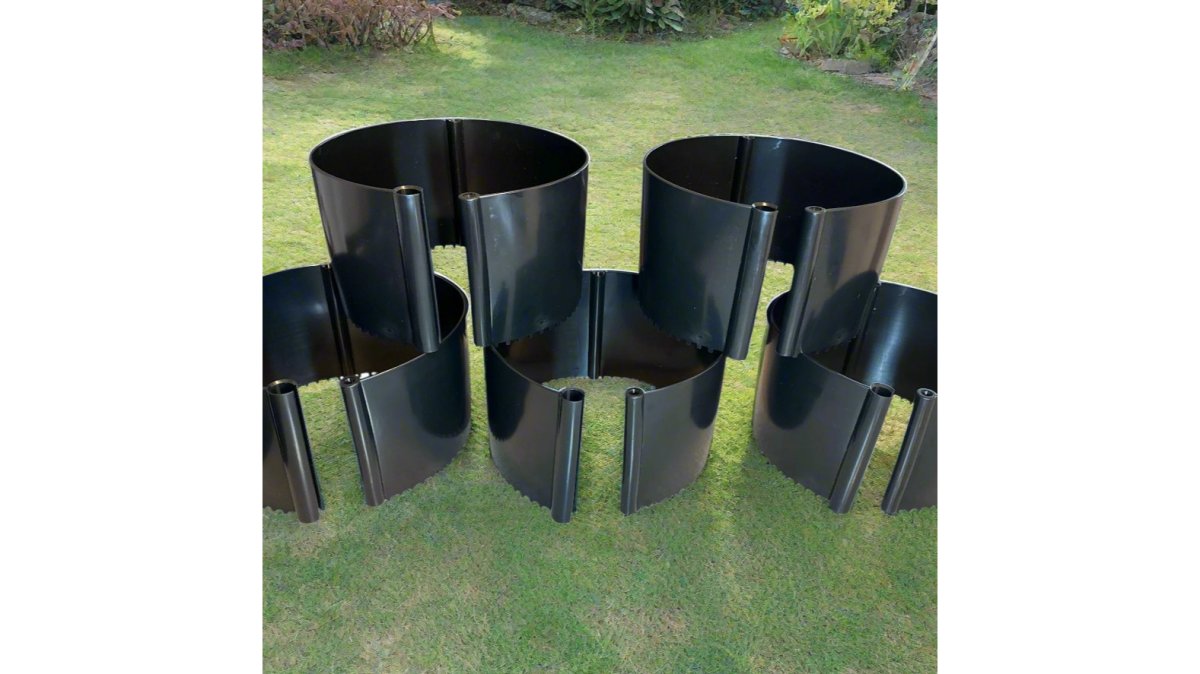
The Garden Water Ring is built for exactly this job. It is a patented, reusable, USA-made ring that holds up to 2 gallons of water. One continuous piece opens and closes with a sliding male/female locking system, and two 11-inch holding spikes keep it steady. It installs about 2 inches into the soil with the teeth facing down, and it needs no tools.
Fill the ring and let it soak in slowly. Water and fertilizer stay near the roots, so less runs off and less evaporates. The ring works on mild slopes and helps reduce weeds between plants.
Vegetable Garden Watering Tips for Hot, Dry Weeks
Water early in the morning when temperatures are cool. Less water evaporates, and leaves dry before evening.
Water deeply but less often. Shallow daily sprinkling keeps roots near the surface, where they dry out fast. Deep soakings push roots downward.
Other habits that help:
- Check soil 2 inches down before watering
- Group thirsty plants together
- Shade young seedlings with a light cloth during heat waves
- Keep a full ring or can ready for quick refills
For heat-stress guidance, the EPA WaterSense program offers simple outdoor water-saving tips.
Common Mistakes Beginners Make in a Dry Garden
The biggest mistake is watering a little every day. This weakens roots and wastes water. Deep, less frequent watering builds stronger plants.
Other common errors:
- Skipping mulch, which lets soil bake in the sun
- Planting thirsty crops like celery in full sun
- Watering at midday when evaporation peaks
- Letting water pool between rows instead of at the roots
Fix these and your garden holds up far better through dry stretches.
| Mistake | Fix | Why It Helps |
|---|---|---|
| Daily light watering | Water deeply, less often | Roots grow deeper |
| No mulch | Add 2-3 inches of straw | Slows evaporation |
| Midday watering | Water in the morning | Less water lost |
| Overhead spraying | Use root-zone watering | Water reaches roots |
Frequently Asked Questions
What vegetables grow well with less water?
Many warm-season crops handle dry spells better than beginners expect. Good choices include tomatoes, peppers, zucchini, squash, bush beans, Swiss chard, and okra. Herbs like rosemary, thyme, and sage also tolerate dry conditions. These plants still need steady moisture while flowering and fruiting, so water deeply at the root zone rather than lightly every day. Your local university extension office publishes vegetable lists suited to your region's rainfall and soil.
How often should you water a vegetable garden during a dry spell?
Most vegetable beds need about 1 inch of water per week, from rain or watering combined, delivered in one or two deep sessions rather than daily sprinkles. Check the soil 2 to 3 inches down before watering; if it feels dry, it's time. During extreme heat, you may water every 3 to 4 days. Root-zone watering for vegetables puts that water where roots can use it, so less is lost to evaporation between sessions.
Does mulch help vegetables during drought?
Yes. A 2 to 3 inch layer of straw, shredded leaves, or untreated grass clippings slows evaporation from the soil surface and keeps temperatures steadier around the roots. Mulching a vegetable garden also suppresses weeds that compete for water. Keep mulch a couple of inches away from plant stems to avoid rot, and replenish it as it breaks down through the season. University extension programs consistently list mulch as one of the simplest water-saving steps for home gardens.
Can vegetables grow in containers during hot, dry weather?
They can, but containers dry out faster than in-ground beds because they hold less soil. Use the largest container you can manage, choose a potting mix that holds moisture, and mulch the surface. A Garden Water Ring fits around a single large plant in a wide container, holding up to 2 gallons and releasing it slowly to the root zone. Check container soil daily in midsummer, since even well-mulched pots can dry within a day.
Dry weeks do not have to wipe out a beginner's garden. With the right plants, moisture-holding soil, mulch, and root-zone watering, a small plot can stay productive all season. Garden Water Ring makes that last step simple: its one-piece, USA-made design holds up to 2 gallons, installs without tools, and works on mild slopes. Shop Garden Water Ring today and give your vegetables steady water right where they need it.

Leave a comment
This site is protected by hCaptcha and the hCaptcha Privacy Policy and Terms of Service apply.