

Table of Contents
- Understanding Nutrient Leaching and Why It Matters in Your Garden
- What Causes Nutrient Loss: Heavy Rain, Overwatering, and Drainage Issues
- How Often to Water a Vegetable Garden to Minimize Nutrient Loss
- Vegetable Garden Fertilizer Application: Timing and Methods That Reduce Leaching
- How to Improve Sandy Soil for Vegetables and Increase Nutrient Retention
- Cover Crops to Reduce Nitrate Leaching and Build Soil Health
- Practical Tools and Techniques to Keep Water and Nutrients in Your Root Zone
- Frequently Asked Questions
Last Updated: October 10, 2026
Understanding Nutrient Leaching and Why It Matters in Your Garden
Nutrient leaching is the process where water moves through soil and carries dissolved nutrients away from the root zone where plants need them. This happens naturally when rain or irrigation water passes through the soil layers. The deeper the water travels, the further nutrients move from your vegetables' roots.
Heavy rain and overwatering push water through soil faster than plants can absorb it, carrying nitrogen, phosphorus, potassium, and other micronutrients downward and away. Sandy soils are especially vulnerable because they drain fast and hold less water.
You can prevent nutrient leaching by timing fertilizer applications, improving soil structure, and using targeted watering methods.
What Causes Nutrient Loss: Heavy Rain, Overwatering, and Drainage Issues
Soil texture determines drainage speed: sandy soils drain quickly and lose nutrients fast, clay soils drain slowly and can waterlog, and loamy soils offer the best balance for water retention and nutrient availability.
Overfertilizing accelerates leaching because excess nutrients dissolve easily in water. Nitrogen is especially prone to leaching.
How Often to Water a Vegetable Garden to Minimize Nutrient Loss
Watering frequency depends on soil type, weather, and plant needs. The goal is consistent moisture without waterlogging or runoff.
Soil-Specific Watering Intervals
Sandy soils drain in 1-2 hours. Water when the top inch feels dry, using smaller amounts (½ to 1 inch per watering) to avoid pushing nutrients below the root zone.
Loamy soils retain moisture longer. Water when the top 1-2 inches feel dry, typically every 2-4 days during the growing season.
Clay soils hold water longest. Water only when the top 2-3 inches feel dry and ensure adequate drainage to prevent waterlogging.
Matching Water Depth to Root Depth
Shallow-rooted crops (lettuce, spinach, radishes, onions) need water in the top 6-8 inches. Deep-rooted crops (tomatoes, peppers, squash, beans) draw from 12-18 inches or deeper. Match water depth to crop rooting depth to avoid wasting water and pushing nutrients below the root zone.
Identifying Whether Leaching Is Actually Occurring
Diagnose the problem before adjusting your watering schedule. Visible runoff suggests water is moving too fast, slow delivery with a soaker hose or improve soil with compost. Soggy soil indicates poor drainage, not leaching, add organic matter or use raised beds. Dry soil within hours of watering in sandy areas, combined with yellowing plants, suggests leaching, increase watering frequency in smaller amounts and add compost. Nutrient deficiency symptoms weeks after fertilizer application, especially after heavy rain, point to leaching.
Practical Moisture Checks
Squeeze a handful of soil from the root zone: a tight ball means too wet, immediate crumbling means too dry, and a loose ball that breaks apart means moisture is ideal. Check at the depth your crop roots reach, not just the surface. A soil moisture meter removes guesswork, especially for sandy soils.
Tools That Reduce Leaching Risk
Soaker hoses deliver water directly to the root zone at a slow rate, reducing evaporation and runoff. The Garden Water Ring concentrates water in the root zone, allowing it to seep slowly into soil rather than running off. This is especially valuable on slopes or in sandy soils, where it reduces watering frequency by keeping moisture where roots can access it.

Vegetable Garden Fertilizer Application: Timing and Methods That Reduce Leaching
When and how you apply fertilizer matters as much as how much. Match nutrient availability to the plant's growth stage so nutrients are present when roots can use them.
Understanding Nutrient Demand by Growth Stage
Vegetables have different nutrient needs at different stages. Seedling and transplant stages need modest nitrogen.
Crop-Specific Timing
Tomatoes, peppers, and eggplants benefit from a light nitrogen application at transplant, then a second application 4-6 weeks later when flowering begins.
Leafy greens (lettuce, spinach, kale) are harvested before flowering, so they need consistent nitrogen throughout their growth. Split applications every 3-4 weeks keep nutrients available without excess.
Root crops (carrots, beets, radishes) need moderate nitrogen early to establish foliage, then less as they mature. Heavy late-season nitrogen can cause forking and cracking.
Legumes (beans, peas) fix their own nitrogen from the air via root nodules. Avoid high-nitrogen fertilizers; use a balanced or phosphorus-rich formula instead.
Crucifers (broccoli, cabbage, cauliflower) need steady nitrogen throughout growth. Apply half at planting and half 4-6 weeks later, before heading begins.
Fertilizer Type and Leaching Risk
Slow-release and organic fertilizers break down gradually, releasing nutrients as soil microbes work and plants grow. They leach more slowly than synthetic fertilizers because nutrients are not immediately soluble.
Synthetic (soluble) fertilizers dissolve quickly and are immediately available to roots, but excess dissolves in water and leaches readily. Use them in smaller, split doses rather than one heavy application.
Nitrogen leaches fastest because it is highly soluble. Phosphorus and potassium bind more tightly to soil particles and leach slowly.
Application Methods That Reduce Leaching
Incorporate granular fertilizer into the top 2-4 inches of soil rather than leaving it on the surface. This keeps nutrients closer to the root zone and reduces runoff during rain.
For liquid fertilizers (fish emulsion, seaweed extract, diluted compost tea), apply directly to the soil at the base of plants, not to foliage.
Avoid applying fertilizer immediately before heavy rain is forecast. If rain is expected within 24-48 hours, wait until after the rain passes.
Split applications work better than single heavy doses. Apply 50% of your planned fertilizer at planting or early growth, and 50% when plants are actively growing (4-6 weeks later for most crops).
Organic Amendments as a Leaching Buffer
Compost, aged manure, and other organic matter improve soil structure and water-holding capacity while slowly releasing nutrients. They act as a buffer, holding nutrients longer and reducing leaching.
How to Improve Sandy Soil for Vegetables and Increase Nutrient Retention
Sandy soil drains too fast, making nutrient leaching worse. The fix is adding organic matter, which improves water-holding capacity and nutrient retention.
Mix 2-4 inches of compost into the top 8-12 inches of sandy soil before planting. Compost acts like a sponge, holding water and nutrients longer. Repeat this annually as organic matter breaks down.
Aged manure, peat moss, and leaf mold also improve sandy soils. These materials increase the soil's ability to hold water and dissolved nutrients.
Mulching the soil surface with 2-3 inches of wood chips or straw reduces evaporation and helps regulate soil moisture. This keeps water in the root zone longer, reducing the need for frequent watering.
Consider raised beds or containers filled with quality soil mix if your native soil is very sandy. This gives you complete control over soil composition and drainage.
Cover Crops to Reduce Nitrate Leaching and Build Soil Health
Cover crops are plants grown specifically to improve soil health and prevent nutrient loss. They capture residual nutrients that would otherwise leach away and add organic matter when tilled in.
Winter cover crops like clover, vetch, and rye capture nitrogen left in soil after fall harvest. Their roots hold nutrients in place through winter. In spring, you till them into the soil, where they decompose and release nutrients for your vegetables.
Summer cover crops like buckwheat grow between main plantings. They prevent weeds, improve soil structure, and capture available nutrients.
Cover crops also reduce erosion and runoff on sloped ground. Their root systems stabilize soil and slow water movement, giving nutrients more time to stay in the root zone.
Plant cover crops in fall if you harvest summer vegetables early. Terminate them 2-3 weeks before planting spring crops so they have time to decompose.
Practical Tools and Techniques to Keep Water and Nutrients in Your Root Zone
Targeted watering tools deliver water exactly where plants need it, reducing runoff and nutrient loss. Drip irrigation, soaker hoses, and watering rings all concentrate water in the root zone.
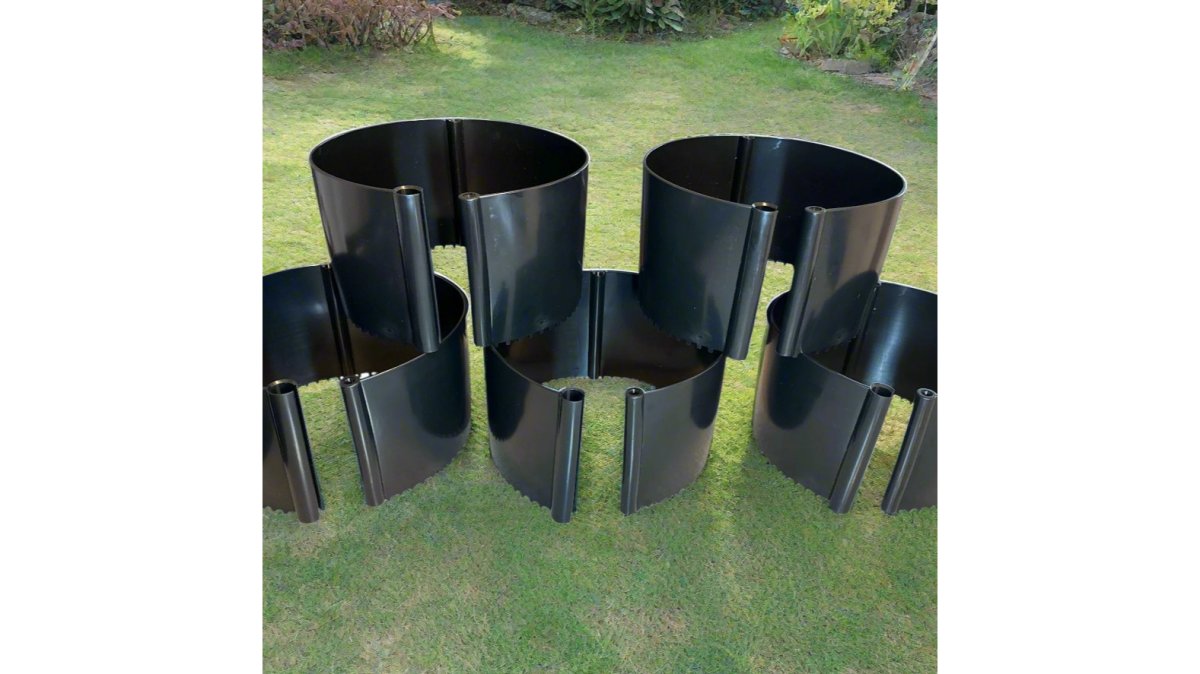
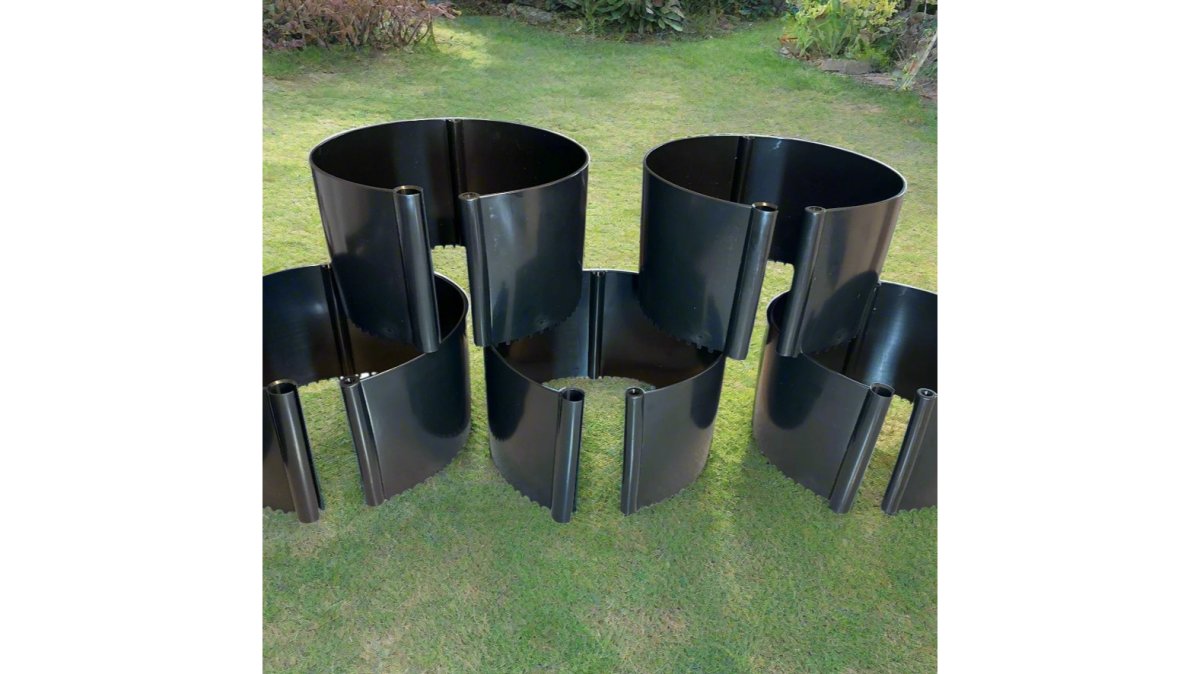
The Garden Water Ring is a practical tool designed specifically for this purpose. It's a one-piece unit that holds up to 2 gallons of water and concentrates that water around a plant's root zone. The sliding male/female locking system opens and closes easily, and two 11-inch holding spikes keep it stable in the soil.
Installation takes seconds. Push the spikes about 2 inches into the soil around your plant with the teeth facing downward. No tools are needed. Fill the ring with water and fertilizer solutions, and the water seeps slowly into the soil around the roots rather than running off or evaporating.
The Garden Water Ring works especially well on slopes where water naturally runs downhill. It keeps water in place long enough for plants to absorb it. For sandy soils, it reduces the frequency of watering by concentrating moisture in the root zone.
You can move it between plants or store it season to season.
Preventing nutrient leaching keeps your fertilizer investment in the soil where it belongs. The challenge is matching your prevention strategy to your specific soil type, climate, and garden layout.
Start with soil improvement by adding compost and organic matter. Adjust your watering schedule to match your soil's drainage rate. Time your fertilizer applications to match plant growth stages. Use tools like the Garden Water Ring to concentrate water in the root zone and reduce runoff.
These techniques work together. Better soil holds nutrients longer. Precise watering delivers moisture without waste. Targeted tools keep water exactly where roots can use it.
Ready to reduce nutrient leaching and grow stronger vegetables? Shop Garden Water Ring and experience the difference that root-zone watering makes. With free shipping in the USA and a 30-day money-back guarantee, there's no risk to trying it in your garden.
Frequently Asked Questions
What causes nutrient leaching in a vegetable garden?
Nutrient leaching occurs when water moves through soil faster than plant roots can absorb nutrients, carrying nitrogen, phosphorus, potassium, and micronutrients downward. Heavy rain, overwatering, and poor soil structure accelerate this process. Sandy soils are especially vulnerable because they drain quickly and hold fewer nutrients. Using slow-release fertilizers and adding organic matter like compost helps slow nutrient loss and keep them available to your vegetable crops.
How can compost and organic amendments help prevent nutrients from leaching out of soil?
Compost and organic amendments improve soil structure and water-holding capacity, allowing roots more time to absorb nutrients before water drains away. Organic matter acts like a sponge, binding nutrients and making them available over a longer period. Adding 2-3 inches of compost to your vegetable beds annually increases nutrient retention, especially in sandy soils. This approach also builds soil fertility naturally, reducing the need for frequent fertilizer applications that can contribute to leaching.
Do cover crops really help keep nutrients in garden soil?
Yes. Cover crops like clover, rye, and vetch capture residual nitrogen and other nutrients that would otherwise leach away after harvest. Plant them in fall or between growing seasons, then turn them into the soil in spring. Their fibrous root systems also improve soil structure and water infiltration. This practice reduces the need for synthetic fertilizers while preventing nutrient loss to groundwater, making it especially valuable for vegetable gardeners managing soil fertility long-term.
How often should I fertilize my vegetable garden to reduce nutrient loss?
Apply fertilizer in smaller, more frequent doses rather than one large application. For most vegetable crops, split applications every 3-4 weeks during the growing season work better than a single spring dose. Use slow-release or organic fertilizers that break down gradually, giving roots time to absorb nutrients before water moves them deeper into the soil. Soil testing helps you apply only what your vegetables actually need, avoiding overfertilizing, which accelerates leaching.

Leave a comment
This site is protected by hCaptcha and the hCaptcha Privacy Policy and Terms of Service apply.