

Table of Contents
- What Makes Raised Bed Tools Different
- Hand Tools for Planting and Raised Bed Soil Preparation Tools
- Raised Bed Weeding Tools That Actually Work
- Watering Tools for Raised Beds
- How to Keep Garden Soil Moist in a Raised Bed
- Tool Care, Storage, and Sanitation
- Conclusion
- Frequently Asked Questions
Last Updated: October 17, 2026
What Makes Raised Bed Tools Different
The best garden tools for raised beds solve a problem in-ground tools never face: you work from the outside in, reaching over a wall into a confined space. A standard long-handled shovel is nearly useless when the bed is 4 feet wide and 12 inches tall. Raised beds also drain faster than native soil, so the right tools must help you move water and amendments down to the root zone instead of across the surface.
Garden Water Ring builds its root-zone watering products around that reality.

Reach, Ergonomics, and Bed Dimensions
Bed height and width dictate handle length and tool size. A bed 12 inches tall and 4 feet wide lets most adults reach the center from one side, so short-handled tools work well. Beds wider than 4 feet or taller than 24 inches push you toward long-handled options or a sturdy step stool. The USDA Natural Resources Conservation Service guide to raised beds notes that bed dimensions should suit the gardener's reach to avoid strain.
Tool weight matters as much as length. A light trowel with a comfortable grip reduces wrist fatigue during transplanting, and a padded handle helps anyone with limited hand strength.
Hand Tools for Planting and Raised Bed Soil Preparation Tools
Three hand tools cover most raised-bed planting and soil work: a trowel, a cultivator, and a rake. Buy these first and skip the rest until a specific task demands more. What separates a tool that lasts a decade from one that bends in the first season is the material and the fit to your bed, so choose on those two factors rather than on the number of tools in a set.
Hand trowel
The workhorse for digging planting holes, transplanting seedlings, and mixing compost into the top few inches. A forged carbon- or stainless-steel blade holds an edge and resists bending in rocky or clay soil; stamped blades are lighter and cheaper but flex under load. Look for depth markings on the blade for consistent planting, a comfortable grip that fits your hand, and a handle long enough that your knuckles clear the soil when the bed is deep. Narrow-bladed trowels (about 1.5 inches wide) slip between closely spaced crops; wider blades move more soil per scoop for setting out transplants.
Mini cultivator
Loosens compacted soil between plants and scratches fertilizer into the surface. Three-pronged models break up clods; narrow two- and three-tine models slip between closely spaced crops. A forged head with tines that curve downward works the top two to three inches without turning the soil over, which keeps weed seeds buried. Skip powered cultivators for most raised beds, they are heavy, they compact soil at the bed edges, and they can damage shallow roots in a bed only 10 to 12 inches deep.
Small rake
Levels fresh soil, spreads compost, and tidies the bed edge. A 10- to 14-inch head fits inside a raised bed without snagging the sides. Look for a bow rake with curved tines for moving soil and a flat-backed rake for smoothing seedbeds; a single narrow bow rake handles both jobs in most home beds.
Matching tools to bed size and style
- Small or balcony beds (under 4 square feet): a short-handled trowel and a hand cultivator are enough; long handles get in the way.
- Standard 4-by-8-foot beds: short-handled tools reach the center from one side, so a trowel, cultivator, and small rake cover planting and prep.
- Beds wider than 4 feet or taller than 24 inches: add a long-handled trowel or a sturdy step stool so you are not leaning over the wall and compacting the bed edge.
- Dense or intensive planting: narrow trowels and two-tine cultivators work between close rows without uprooting neighbors.
- No-dig beds: a trowel and hand cultivator do the planting and top-dressing; skip the digging fork, which disrupts the soil structure no-dig gardening is built on.
Raised Bed Weeding Tools That Actually Work
Weeding in a raised bed is a close-quarters job, so sharp edges and precise control beat brute force. A hoe with a narrow head slices weeds at the soil line without disturbing nearby roots. A weeder with a forked tip pulls taproots like dandelion and purslane intact, which stops them from regrowing.
Work when weeds are small and the soil is dry. A scuffle hoe run just below the surface cuts young weeds off at the crown, and the cut tops dry out in the sun. For weeds growing tight against a crop stem, use a hand weeder rather than a hoe to avoid nicking the plant you want to keep.
Mulch does most of the long-term work. A layer of straw or shredded leaves blocks light and slows new weeds, which means fewer passes with the hoe later in the season.
Watering Tools for Raised Beds
Watering tools for raised beds should deliver water slowly and at the base of the plant, because raised beds drain faster than native soil and overhead watering wastes much of it to runoff and evaporation. The right combination depends on bed size, crop, and how much time you can spend watering.
Match the tool to the bed and crop
- Seedlings and small beds: a watering can with a rose attachment gives gentle, controlled flow that won't wash out seeds or flatten young plants.
- Deep beds and larger gardens: a hose-end wand reaches the back of a bed without stepping into it, which avoids compacting the soil you just loosened.
- Tomatoes, peppers, and squash: a root-zone watering ring concentrates water and fertilizer around the plant's root zone, where roots can use it, instead of spreading it across the surface.
- Mild slopes: water runs off before it soaks in, so slow, targeted delivery at the base of each plant works better than a quick pass with a hose.
Soil-moisture monitoring
A moisture meter takes the guesswork out of when to water. Push the probe into the root zone, not just the surface, which dries first, and water when the reading drops rather than on a fixed schedule. For a low-tech check, dig a small hole with a trowel and feel the soil at root depth: dry at 2 inches but moist at 6 inches means you can wait; dry at 6 inches means water deeply. The EPA's guidance on outdoor water use recommends watering in the early morning to reduce losses to evaporation, and checking soil moisture before watering avoids unnecessary passes.
Root-zone watering in practice
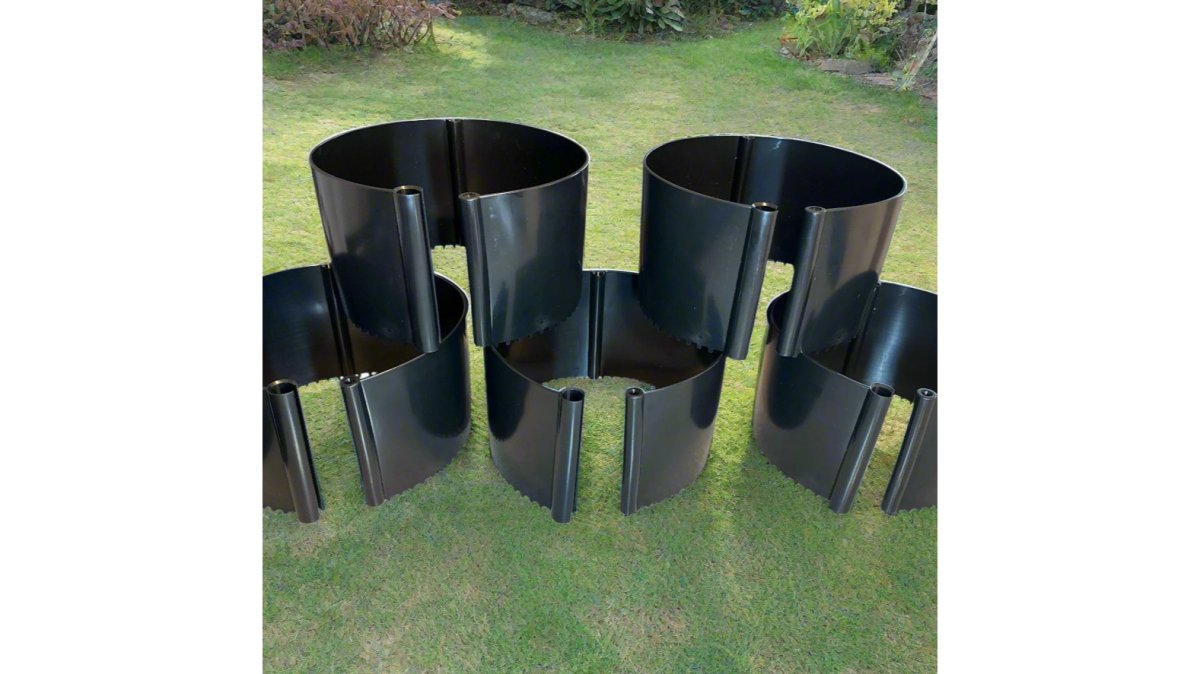
For targeted delivery, a root-zone watering ring concentrates water and fertilizer around the plant's root zone. The Garden Water Ring is a one-piece unit that opens and closes with a sliding male/female locking system, measures approximately 10 inches in diameter and 6 inches high, holds up to 2 gallons, and installs about 2 inches into the soil with its teeth facing downward, no tools required. It includes two 11-inch holding spikes and is made from 100% virgin BPA-free, UV- and weather-resistant polypropylene. It is strong, durable, and reusable. It helps reduce runoff and evaporation, promotes deeper root development, and reduces unnecessary watering between plants, and it works on mild slopes where water otherwise runs off before it soaks in. If you're stocking up on watering gear, Garden Water Ring offers free shipping in the USA.
| Tool | Best For | Notes |
|---|---|---|
| Watering can with rose | Seedlings, small beds | Gentle flow, easy to control |
| Hose-end wand | Deep beds, larger gardens | Reaches without stepping in |
| Moisture meter | All beds | Check root-zone moisture before watering |
| Root-zone watering ring | Tomatoes, peppers, squash | Directs water and fertilizer to the root zone |
How to Keep Garden Soil Moist in a Raised Bed
Keeping garden soil moist in a raised bed comes down to slowing evaporation and getting water deep enough that roots follow it downward. Three habits do most of the work:
- Water deeply and less often. A thorough soak encourages roots to grow down; light daily sprinkles keep them shallow.
- Mulch the surface. Two to three inches of straw or leaves shade the soil and cut evaporation.
- Water at the base, not overhead. Delivering water at soil level keeps foliage dry and puts moisture where roots can use it.
The EPA's guidance on outdoor water use recommends watering in the early morning to reduce losses to evaporation. A root-zone ring supports this approach by holding a measured amount of water at the plant base so it soaks in rather than running off.
Tool Care, Storage, and Sanitation
Clean tools last longer and spread fewer plant diseases. Scrape soil off blades after each use, dry them thoroughly, and wipe metal parts with a light oil to prevent rust. Store long-handled tools hanging and hand tools in a dry box or shed.
Sanitation matters more than most gardeners realize. The university extension guidance on tool sanitation advises cleaning blades between plants when disease is present, using a household disinfectant or rubbing alcohol. Rinse and dry reusable plastic tools, like a watering ring, before storing them for winter.
Conclusion
Raised-bed gardening rewards a small, well-chosen tool kit over a crowded shed. Start with a trowel, cultivator, rake, hoe, weeder, and a watering tool that delivers moisture to the root zone, then add pieces only as specific tasks demand them.
Garden Water Ring is built for exactly that last job. The patented, USA-made ring holds up to 2 gallons, installs without tools, and directs water and fertilizer to the root zone while reducing runoff and evaporation. Orders ship directly from the manufacturer, and every purchase is backed by a 30-day money-back guarantee. Shop Garden Water Ring and give your raised beds a watering tool that puts water where plants actually use it.
Frequently Asked Questions
What is the best gardening tool for raised beds?
There is no single best tool, but a hand trowel, a mini cultivator, and a good weeder cover most raised bed jobs. A trowel handles planting and transplanting, a cultivator loosens soil before seeding, and a weeder keeps the bed clear. Add a watering tool that delivers water to the root zone, such as the Garden Water Ring, and you have a kit that handles most of the season.
How do I keep raised bed soil moist without overwatering?
Water deeply and less often so moisture reaches the root zone instead of sitting on the surface. A root-zone watering tool like the Garden Water Ring holds up to 2 gallons and releases water slowly around the plant, which reduces runoff and evaporation. Mulch the bed surface, check moisture a few inches down before watering again, and avoid shallow daily sprinkling that keeps only the top inch wet.
Which weeding tools work best in a raised bed?
A narrow hoe, a hand weeder, and a mini cultivator are the most useful raised bed weeding tools. The hoe slices weeds at the soil line, the hand weeder pulls taproots, and the cultivator breaks up crusted soil so weed seeds have a harder time taking hold. Weed when the soil is dry and the weeds are small, and keep the bed mulched to cut down how often you need to weed.
How often should I water vegetables in a raised bed?
Raised beds drain faster than in-ground soil, so most vegetable beds need about 1 inch of water per week, delivered deeply once or twice rather than daily. Check the soil 2 to 3 inches down before watering again. In hot, dry weather you may water more often, and a root-zone tool like the Garden Water Ring helps stretch each watering by keeping moisture at the roots instead of losing it to runoff.

Leave a comment
This site is protected by hCaptcha and the hCaptcha Privacy Policy and Terms of Service apply.