
Table of Contents
- Start With a Yield Reality Check
- How to Improve Vegetable Garden Soil
- Vegetable Garden Watering Tips That Reach the Roots
- Vegetable Garden Spacing Guide for Higher Output
- How to Prevent Weeds in Raised Beds
- Plan Sunlight, Pollination, and Succession Planting
- Measure Harvests and Troubleshoot Low Yields
- Frequently Asked Questions
Last Updated: October 17, 2026
Start With a Yield Reality Check
Most gardeners never measure their vegetable garden yield, so they never know whether their garden is improving.
That single habit separates gardeners who improve from gardeners who guess. This guide from Garden Water Ring walks through seven practical steps, from soil to harvest records.

Below, you'll find the exact sequence that matters most: fix the soil, water the roots, space plants correctly, control weeds, plan for sun and pollinators, then measure and adjust.
How to Improve Vegetable Garden Soil
Soil is the foundation of every high-yield garden. Improve soil structure and organic matter first, and almost everything else gets easier.
Fix Structure First, Then Feed
Soil structure refers to how soil particles clump together and how freely air, water, and roots move through them. Heavy clay soil drains slowly and suffocates roots. Sandy soil drains too fast and loses nutrients.
The fix is organic matter, added consistently. university extension guidance on soil organic matter explains that compost improves both extremes: it opens tight clay and helps sandy soil hold water.
- Add 2 to 3 inches of compost to the surface each season
- Mix it into the top 6 inches rather than burying it deep
- Never work soil when it is soaking wet
Compost, Mulch, and Test Before You Amend
Test your soil before adding fertilizer. A basic soil test from a state agricultural extension office reports pH and nutrient levels, so you amend what is actually low instead of guessing.
- Compost feeds soil life and improves structure over time
- Mulch slows evaporation and suppresses weeds
- Fertilizer corrects specific deficiencies, not general ones
Nitrogen drives leafy growth, but too much produces strong tops and little fruit. Balanced nutrient management beats heavy feeding every time.
Vegetable Garden Watering Tips That Reach the Roots
Watering is where most gardens quietly lose yield. Shallow watering wets the surface, evaporates fast, and trains roots to stay near the top where they dry out first.
Water Deeply, Less Often
Deep, infrequent watering pushes roots downward, where soil stays cool and moist longer. Aim to wet the soil 6 to 8 inches down, then let the top inch dry before watering again.
- Water in the morning to limit evaporation
- Water the soil, not the leaves
- Check moisture with a finger or a trowel before watering
The EPA's WaterSense guidance on outdoor water use notes that efficient outdoor watering saves water and produces healthier plants. Mulch and targeted delivery both help.
Use a Root-Zone Ring for Thirsty Crops
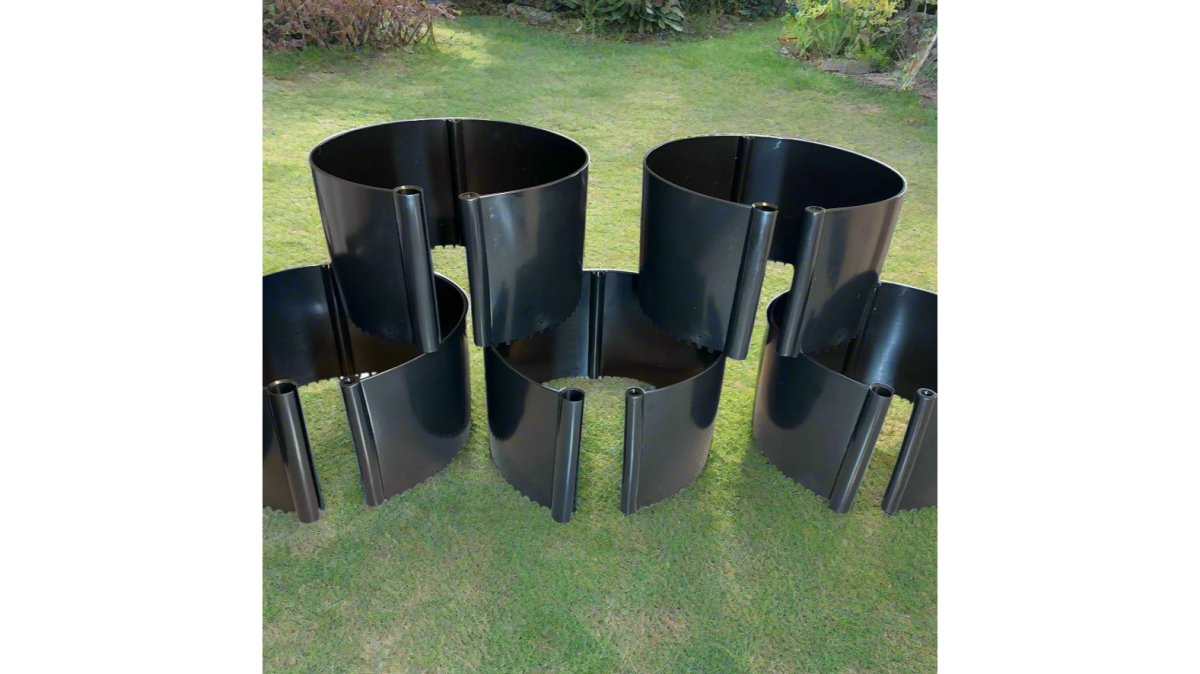
Thirsty crops like tomatoes, peppers, cucumbers, and squash benefit most from water delivered straight to the root zone. The Garden Water Ring is a patented, USA-made, reusable ring that holds up to 2 gallons and concentrates water and fertilizer around the plant's roots.
It is one continuous piece that opens and closes with a sliding lock, installs about 2 inches into the soil with the teeth facing down, and needs no tools. Two 11-inch holding spikes keep it steady.
Vegetable Garden Spacing Guide for Higher Output
Correct spacing raises output per square foot because crowded plants compete for light, water, and nutrients, and they stay wet longer, which invites disease. A vegetable garden spacing guide is really a light-and-air plan, and the payoff is measurable, not theoretical.
Space for Airflow, Not Just Room
Every plant needs a canopy that dries quickly after rain or dew. Tight spacing traps humidity inside the canopy, and leaf wetness is the single biggest driver of foliar disease in home gardens. The university extension guidance on vegetable spacing and airflow recommends following seed-packet spacing for full-size varieties and only tightening it for crops you harvest young.
Follow the seed packet spacing for full-size varieties, then use these general patterns:
| Crop | Typical Spacing | Why It Matters |
|---|---|---|
| Tomatoes | 24-36 inches apart | Airflow reduces leaf disease |
| Peppers | 18-24 inches apart | Full sun to every plant |
| Leafy greens | 4-6 inches apart | Tight but harvestable |
| Cucumbers (trellised) | 12-18 inches apart | Vertical growth saves space |
| Squash | 36-48 inches apart | Large vines need room |
| Bush beans | 2-4 inches apart, 18-24 inches between rows | Dense canopy, but rows need air |
| Carrots | 2-3 inches apart after thinning | Roots need room to size up |
Convert Spacing Into Yield Benchmarks
Spacing only matters if you connect it to harvest. Track pounds (or count) per plant and per square foot, and compare against realistic home-garden benchmarks. These are commonly cited ranges from extension and master-gardener materials, treat them as targets, not guarantees, because variety, sun, and season shift results:
- Tomatoes: roughly 8-15 lb per plant for full-size indeterminate varieties in a good season; cherry types often produce more by weight per plant but less per square foot.
- Peppers: roughly 2-5 lb per plant for bell types.
- Cucumbers: roughly 5-10 lb per plant when trellised and picked young.
Write your own numbers next to these. A plant that hits the low end two seasons running is telling you something, usually light, water, or pollination, and the troubleshooting section below walks through the diagnosis.
Go Vertical Before You Crowd
Space efficiency comes from going vertical, not from crowding. Trellises, stakes, and cages let vining crops climb, freeing ground space for a second crop. A trellised cucumber uses roughly the same footprint as a bush variety but produces over a longer window and keeps fruit off wet soil. Pair vertical crops with short, shade-tolerant crops at their base, lettuce or radishes, to use the same square foot twice.
How to Prevent Weeds in Raised Beds
Weeds steal water and nutrients, and the answer is prevention, not endless pulling. Stop weeds before they sprout and you protect both moisture and yield.
- Lay 2 to 3 inches of mulch around plants, keeping it off stems
- Pull weeds while they are small, before they set seed
- Water only the root zone so bare soil between plants stays drier
A root-zone ring helps here too. By concentrating water at the plant instead of the whole bed, it keeps the surrounding soil drier, which gives weeds less to work with. It reduces weed growth around the plant without claiming to eliminate every weed.
Plan Sunlight, Pollination, and Succession Planting
Three planning moves separate average gardens from productive ones: light, pollinators, and timing.
Pollination matters more than many gardeners realize. Squash, cucumbers, and melons need bees and other pollinators to set fruit.
Succession planting stretches the harvest. Instead of one big planting, sow small batches every two to three weeks so production continues across the growing season rather than arriving all at once.
- Sow lettuce and radishes in small batches
- Follow early crops with warm-season crops
- Use row cover or shade cloth to extend the season at both ends
Measure Harvests and Troubleshoot Low Yields
Measurement turns gardening into a system you can improve. Weigh each harvest, note the date, and record what you changed. Over a season, patterns appear, and when yields drop, a symptom-based diagnosis beats guessing.
Build a Simple Harvest Log
You do not need software. A notebook with four columns, date, crop, weight (or count), and notes, is enough. Weigh on a kitchen scale in pounds or ounces, and record per plant or per row foot so beds are comparable.
Compare against the benchmarks in the spacing section, and flag any crop that lands at the low end two seasons running. That flag is your troubleshooting trigger.
Symptom-Based Troubleshooting
Work through the symptom first, then the likely cause. This order saves a season of guessing:
| Symptom | Likely Cause | First Check |
|---|---|---|
| Lots of leaves, few flowers or fruit | Excess nitrogen | Soil test; cut back high-nitrogen fertilizer |
| Flowers drop without fruit set | Heat stress or poor pollination | Daytime temps; bee activity; hand-pollinate |
| Small, lopsided fruit | Incomplete pollination | Fruit shape; pollinator presence |
| Plants leggy, pale, leaning | Too little sun | Hours of direct light per day |
| Wilting at midday, recovering at night | Water stress or root damage | Moisture at 6-8 inches deep |
| Yellowing lower leaves, slow growth | Nitrogen or drainage problem | Soil test; check for standing water |
| Bolting (lettuce, spinach) | Heat or day-length stress | Planting date vs. season |
| Small roots (carrots, beets) | Crowding or compacted soil | Thinning; soil structure |
Fix the Top Four Causes in Order
When yields drop, work through the likely causes in order of how often they explain the symptom:
- Too little sun: track hours before blaming soil. Fruiting crops need 6-8 hours of direct light; shade-tolerant greens need less.
- Poor pollination: check for bees and fruit set. Hand-pollinate squash and cucumbers in the morning if needed.
- Water stress: check moisture depth, not surface wetness. Dry soil at 6 inches means you are watering too shallowly.
The USDA's home gardening resources offer practical guidance on planning, soil, and water for home growers. Combine that with your own harvest records and you have a feedback loop most gardeners never build.
A root-zone watering ring fits naturally into this loop. Because it concentrates water and fertilizer at the plant's roots and reduces runoff and evaporation, it removes water stress as a variable, so your harvest log reflects the other factors more clearly. Set it around a transplant at planting time so roots establish toward the moisture source from day one.
Frequently Asked Questions
How often should I water a vegetable garden for a good yield?
Most vegetable beds need about 1 inch of water per week, delivered deeply once or twice rather than lightly every day. Check the soil 2 inches down before watering; if it is dry, water at the base of the plant. Deep watering encourages roots to grow downward, which helps plants handle dry spells. A root-zone tool like the Garden Water Ring holds up to 2 gallons and directs moisture to the root zone, so you can water less often between plants.
How can I make my vegetable garden produce more without spending a lot?
Focus on the basics: improve soil with compost, water deeply and consistently, give plants the right spacing, and keep weeds down. These steps cost little and often matter more than fancy fertilizers. Adding 2 to 3 inches of compost or aged manure before planting improves soil structure and nutrient holding. Mulching and a root-zone watering ring also cut water waste, so your existing plants get more of what they need to produce.
Does adding compost improve vegetable garden yield?
Compost improves soil structure, water retention, and nutrient availability, which supports healthier plants and better harvests. University extension programs generally recommend mixing 2 to 4 inches of compost into the top 6 to 8 inches of soil before planting, or using it as a mulch. Compost alone is not a complete fertilizer, so pair it with a soil test to see what nutrients your garden actually needs. Healthy soil is the foundation of a high-yield garden.
How can I keep raised-bed soil moist in hot weather?
Raised beds dry out faster than in-ground plots because they warm up quickly and drain freely. Water deeply in the morning, mulch with straw or shredded leaves, and group thirsty crops together. A root-zone watering ring holds up to 2 gallons and releases water slowly around the plant, which helps reduce evaporation and runoff. Check moisture 2 inches down before watering again, and avoid shallow daily sprinkling that wets only the surface.
A productive garden is not about doing more. It is about fixing soil structure, watering roots deeply, spacing for light and air, stopping weeds early, and measuring what you harvest. Garden Water Ring makes the watering step simpler with a durable, one-piece, reusable design that holds up to 2 gallons, installs without tools, and directs water and fertilizer to the root zone. Shop Garden Water Ring at GardenWaterRing.com and give every plant a steadier supply of water where it counts.


Leave a comment
This site is protected by hCaptcha and the hCaptcha Privacy Policy and Terms of Service apply.