
Table of Contents
- What You'll Need Before You Start
- Step 1: Choose Your Garden Watering Methods
- Step 2: Pick the Best Way to Water a Vegetable Garden
- Step 3: Set Up a Root-Zone Watering System
- Step 4: Practice Deep Watering Garden Beds
- Step 5: Learn How Often to Water Vegetable Plants
- Step 6: Measure Water Use and Check Soil Moisture
- Common Mistakes to Avoid
- Frequently Asked Questions
Last Updated: October 18, 2026
What You'll Need Before You Start
Efficient watering for small garden beds starts with a few basics on hand. Gather these before you touch a hose:
- A water source and garden hose that reaches the bed
- A watering can with a rose spout for gentle delivery
- A trowel for checking soil below the surface
- A ruler or marked stick to measure water depth
- Garden Water Ring units for the plants that need the most water
Small beds dry out faster than most gardeners expect. A raised bed warms quickly and drains fast, so the root zone can go from damp to dusty in a day or two. That makes how you water matter as much as how often.

This guide from Garden Water Ring walks through six steps, from choosing a method to measuring what you actually apply. Below, each step builds on the last.
Step 1: Choose Your Garden Watering Methods
The main garden watering methods for small beds are hand watering, soaker hoses, drip lines, and root-zone rings. Each suits a different bed size, schedule, and level of setup effort. Pick one before you buy anything, because the method you choose shapes how often you water.
A Quick Method-Selection Guide for Small Beds
Use bed size and crop mix to narrow the choice fast:
| Method | Best for | Setup effort | Ongoing maintenance | Water delivery |
|---|---|---|---|---|
| Hand watering | Beds under about 50 square feet, herbs, greens, garlic | None | None | Surface, easy to over- or under-apply |
| Soaker hose | Single-crop rows in one bed, tight spacing | Low, lay the hose, stake it, connect to a hose | Flush monthly; check for uneven weeping | Slow, along the hose length |
| Drip line with emitters | Mixed plantings, precise placement per plant | Moderate, tubing, emitters, fittings, filter | Flush and check emitters; winter storage | Point delivery at set emitters |
| Root-zone ring | Individual heavy feeders like tomatoes, peppers, squash | None, press into soil | Rinse and store; reusable season to season | Measured volume at the plant base |
How to decide in under a minute:
- One crop in rows, tight budget: a soaker hose laid between plants is the lowest-cost option and covers a long row evenly.
- Mixed plantings with different spacing: a drip line lets you place emitters at each plant, but expect more fittings and more setup time.
- A handful of thirsty plants in a small bed: a root-zone ring holds a measured volume right at the base and needs no plumbing.
- Herbs, greens, or a few plants: hand watering with a rose-spout can is fine and costs nothing beyond the can.
Hand watering gives full control but wets foliage if you are careless, and it gets uneven once a bed holds more than a few plants. Soaker hoses weep along their length and work well for tight rows. Drip lines use tubing and emitters to place water at set points. Root-zone rings hold a measured volume right at the plant base and concentrate water and fertilizer around the root zone.
The U.S. EPA WaterSense guide to outdoor water use notes that efficient outdoor watering depends on delivering water to the root zone, not the leaves. That principle should guide every method you pick.
Step 2: Pick the Best Way to Water a Vegetable Garden
The best way to water a vegetable garden is to deliver water at soil level, slowly, so it soaks down to the roots. Overhead spraying loses water to evaporation and wets leaves, which invites fungus and plant disease.
For small garden beds, three options cover most cases:
- Rows of one crop: a soaker hose laid between plants works well and costs little.
- Mixed plantings: a drip line with emitters spaced to each plant gives even coverage.
- Thirsty individual plants: a root-zone ring holds water in one spot and lets it seep down.
Watering by hand is fine for a handful of herbs or garlic. Once a bed holds tomatoes, peppers, or squash, hand watering gets tiring and uneven.
Step 3: Set Up a Root-Zone Watering System
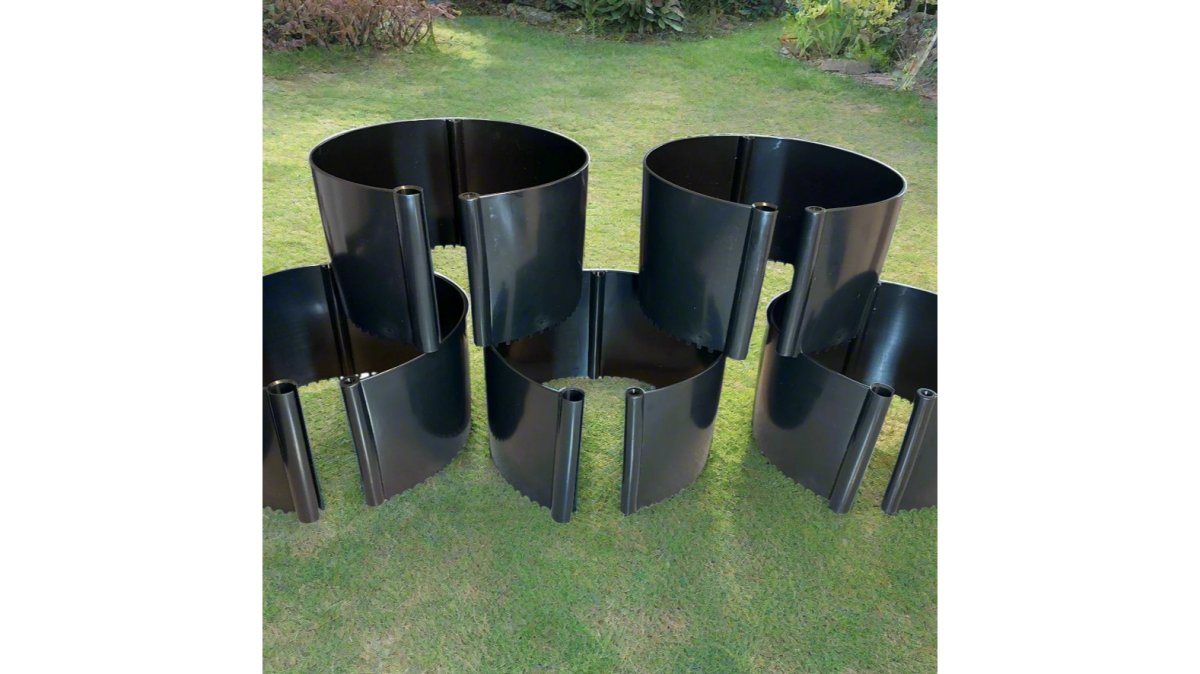
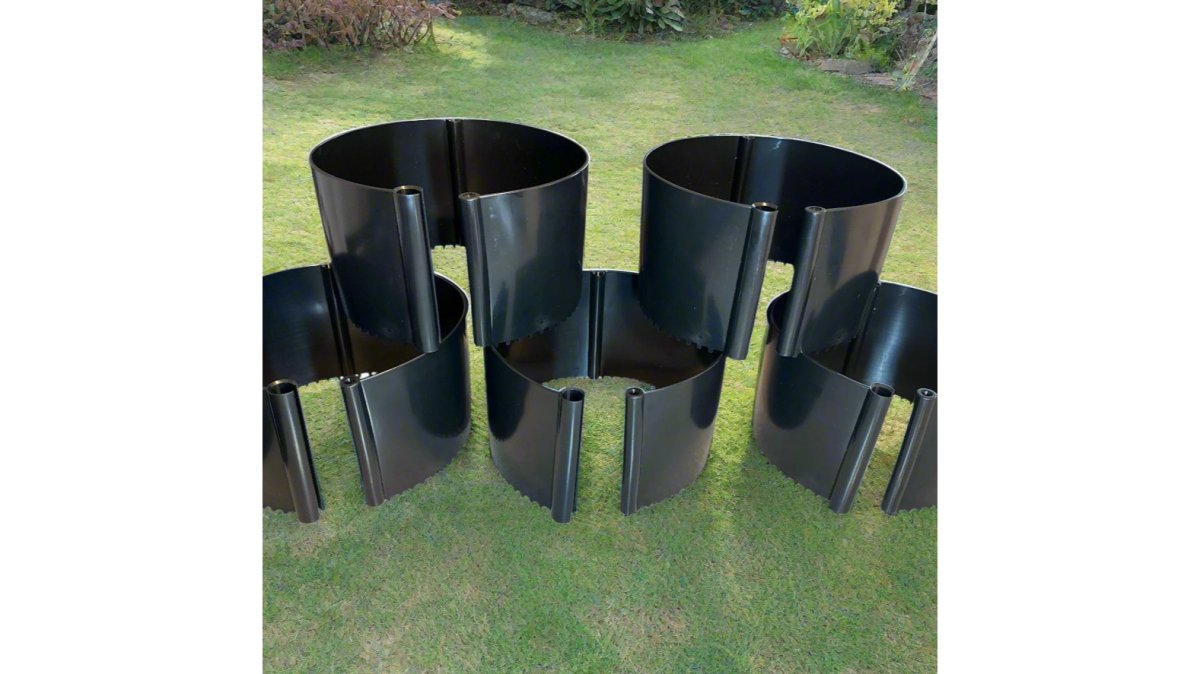
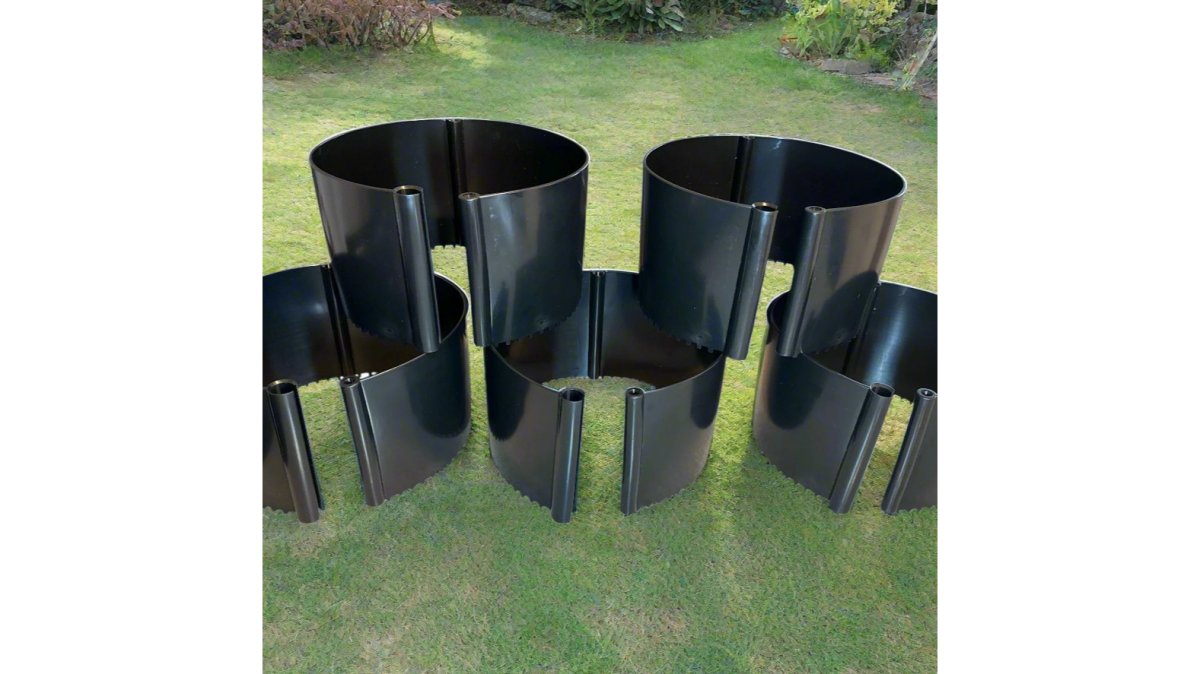
A root-zone watering system puts water where roots can use it and keeps it from running off. Garden Water Ring is a patented, reusable, USA-made option built for exactly this job.
Here is how to install one:
- Set the ring around the plant base with the teeth facing down.
- Press it about 2 inches into the soil. No tools are needed.
- Push the two 11-inch holding spikes in to steady it.
- Slide the male and female lock closed for a water-tight seal.
- Fill with up to 2 gallons and let it soak in.
The one-piece design opens and closes with a sliding lock, so it moves easily between seasons. It works on mild slopes where water would otherwise run off.
Step 4: Practice Deep Watering Garden Beds
Deep watering garden beds means soaking the soil down several inches rather than sprinkling the surface. Shallow watering keeps roots near the top, where they dry out fast. Deep watering pulls roots downward and builds stronger plants.
How to do it:
- Water slowly so it soaks in rather than running off.
- Aim to wet the soil several inches down, then let it dry a little before watering again.
- Check with a trowel after watering to see how far the moisture reached.
A ring that holds up to 2 gallons releases water gradually into the root zone. That slow soak is what deep watering looks like in practice. The university extension guidance on watering vegetables recommends wetting the root zone thoroughly and then letting the top inch dry between waterings.
Step 5: Learn How Often to Water Vegetable Plants
How often to water vegetable plants depends on soil, weather, plant size, and the method you use. There is no fixed schedule that fits every bed. The common starting point is about an inch of water a week from rain plus watering, adjusted for heat, wind, and bed type. A raised bed warms quickly and drains fast, so it often needs closer attention than an in-ground bed.
Turn the One-Inch Rule into a Run Time
An inch of water over a small bed is a volume you can estimate. One inch of water over 1 square foot is about 0.62 gallons. So a 4-by-8-foot bed (32 square feet) needs roughly 20 gallons to receive an inch of water. Use that number to calibrate whatever method you choose:
- Hand watering: set a few straight-sided cans around the bed and water until they hold about an inch. Note how long it took; that is your run time.
- Soaker hose: run it until the soil is wet several inches down, then check with a trowel. Soaker output varies with hose length and water pressure, so time it once and record it.
- Drip line: run the system and check moisture depth at an emitter, not just at the surface. Adjust run time until water reaches the root zone.
- Root-zone ring: each ring holds up to 2 gallons, so you know the volume you applied. Refill when the soil below the surface starts to dry.
Check Moisture Below the Surface
Do not rely on the surface look. Push a trowel into the bed and open a small slice. Squeeze a handful of soil: if it holds together and feels like a wrung-out sponge, it is evenly moist; if it crumbles and dusts off, it is too dry. Check at root depth, not just the top inch.
Signs it is time to water:
- The soil is dry an inch or two below the surface.
- Leaves look dull or slightly wilted in the morning.
- The bed is light when you lift a corner of the soil.
Water less often but more deeply. A bed soaked twice a week beats a light daily sprinkle. Mulch on top slows evaporation and stretches the gap between waterings. The university extension guidance on watering vegetables recommends wetting the root zone thoroughly and then letting the top inch dry between waterings.
Step 6: Measure Water Use and Check Soil Moisture
Measuring water use tells you whether your method actually works. Two simple checks cover it: how much you apply, and how deep it soaks.
Check how much you apply. Set a few straight-sided cans around the bed while you water. When they hold about an inch, you have delivered a good soak. Empty them and repeat next time to confirm.
Check soil moisture. Push a trowel into the bed and open a small slice. Squeeze a handful of soil. If it holds together and feels like a wrung-out sponge, it is evenly moist. If it crumbles and dusts off, it is too dry.
Keep a short log:
- Date and method used
- Amount applied
- Depth the water reached
- Any change in plant look
That record turns guesswork into a more informed watering approach.
Common Mistakes to Avoid
The most common watering mistakes are easy to fix once you spot them.
- Wetting the foliage. Water at soil level to keep leaves dry and reduce plant disease.
- Watering between plants. Water goes to the root zone, not the gaps. A ring keeps it on target and cuts water waste.
- Shallow, frequent watering. It builds weak roots. Go deep and less often.
- Ignoring runoff. On a slope, water leaves before it soaks in. Slow delivery and a root-zone ring help.
- Skipping the moisture check. A finger in the soil beats a fixed schedule every time.
For gardeners already running drip irrigation, a ring is not a replacement for the whole bed. It is a simple add-on for the heaviest feeders, like tomatoes and squash, where a measured soak pays off.
Watering a small bed well takes less effort than most gardeners think, but it does take the right method. Shop Garden Water Ring at Garden Water Ring and give every plant a steady, root-deep drink.
Frequently Asked Questions
How often should you water a small garden bed?
Water when the top inch or two of soil feels dry, which is often every two to four days in warm weather and less in cool spells. Small beds dry faster than large ones, so check with a finger or a moisture meter before watering. Deep soakings that wet the root zone encourage stronger roots than light daily sprinkles. A root-zone ring that holds up to 2 gallons can reduce how often you water between plants.
What is the most efficient way to water a small raised bed?
Deliver water at soil level, slowly, so it soaks in instead of running off. Soaker hoses and drip lines work well, and a root-zone ring such as Garden Water Ring concentrates water and fertilizer around the plant's roots while reducing runoff and evaporation. Whichever method you use, check soil moisture afterward and adjust your schedule to the weather rather than watering on a fixed timer.
Is it better to water a vegetable garden in the morning or evening?
Morning is usually better because leaves dry quickly as the day warms, which lowers the risk of fungus and plant disease. Evening watering can leave foliage wet overnight. If you water at soil level with a ring, soaker hose, or drip line, the timing matters less because the leaves stay dry. Aim to finish watering before the hottest part of the day so less is lost to evaporation.
How can you reduce water runoff in a small garden?
Water slowly and in short passes so the soil can absorb what you apply, and direct water to the root zone rather than the spaces between plants. On mild slopes, a ring set about 2 inches into the soil holds water where it lands. Adding organic matter to the bed also helps soil hold moisture. Check for runoff at the bed edge and pause if water starts to pool or flow away.

Leave a comment
This site is protected by hCaptcha and the hCaptcha Privacy Policy and Terms of Service apply.