
Table of Contents
- Garden Watering Accessories for Sale: How to Choose
- Garden Watering Tools: Hoses, Nozzles, and Wands
- Vegetable Garden Watering Supplies for Raised Beds
- Plant Watering Devices: Timers, Meters, and Root-Zone Options
- Water Efficiency: Comparing Accessories That Save Water
- Prices and Trade-Offs: What You Get at Each Level
- Seasonal Care and Winterization for Watering Gear
- Conclusion
- Frequently Asked Questions
Last Updated: October 19, 2026
Garden Watering Accessories for Sale: How to Choose
Shopping for garden watering accessories for sale gets easier once you separate tools by the job they do. This guide walks through hoses, nozzles, timers, meters, and root-zone options so you can buy once and water better.
Watering is where most vegetable gardens succeed or fail. university extension guidance on home garden irrigation consistently points to deep, less frequent watering as the practice that builds stronger roots.
Garden Watering Tools: Hoses, Nozzles, and Wands
Start with the delivery end. A garden hose, a hose nozzle, and a watering wand form the basic hand-watering kit; buying them as a set with matching fittings saves frustration later.
- Garden hose: Choose length by distance, not habit. A 50-foot hose covers most front-to-back yard runs; longer runs drop pressure.
- Hose nozzle: Look for an adjustable spray pattern with a shutoff trigger. A shutoff saves water on every walk back to the spigot.
- Watering wand: A wand reaches the soil under dense foliage, which matters for tomatoes and squash.
- Quick-connect fittings and hose connectors: These let you swap nozzles and wands in seconds. Standardize on one brand of fitting across your gear.
Hose Diameter, Flow Rate, and Water Pressure
Hose diameter drives flow rate more than most shoppers expect: a 5/8-inch hose moves more water than a 1/2-inch hose at the same pressure, which matters on long runs. Check your spigot's pressure before blaming the hose; low pressure at the tap limits every accessory downstream. If pressure is fine but flow is weak, look for kinks, a clogged screen washer, or an undersized hose.
Vegetable Garden Watering Supplies for Raised Beds
Raised beds change the shopping list: soil drains faster, beds sit higher, and reaching the center of a wide bed with a hose gets awkward.
Start by measuring. A 4-by-8-foot bed with rows down the length behaves differently from a 4-by-4-foot bed packed with tomatoes. Narrow beds are easy to reach from both sides with a watering can or wand; wide beds reward low-and-slow delivery that does not depend on your reach.
- Soaker hose: Weeps along its length and lays easily between rows. Best on flat beds with short runs; output gets uneven on long runs, so keep runs modest and check the far end.
- Drip irrigation kits: Tubing, emitters, and a filter deliver water slowly at the plant. These need assembly and occasional flushing, and they suit larger beds with repeating plant spacing better than mixed plantings.
- Watering can: Still the most precise tool for seedlings and containers. A narrow spout prevents soil splash, and a two-gallon can is a comfortable carry for most gardeners.
- Rain barrel: Captures roof runoff for free water. Pair it with a filter and a valve, and keep a drainage pipe or overflow line so excess water has somewhere to go.
- Root-zone reservoir: For individual heavy-feeding plants, a ring-style reservoir holds water and fertilizer at the root zone instead of letting it spread across the bed surface.
Matching Supplies to Bed Size and Layout
A simple way to shop is by garden footprint rather than by product category.
- Balcony or patio containers: A watering can with a narrow spout, a small shutoff nozzle, and a moisture meter cover almost everything. Skip long hoses and kits; the run is short and precision matters more than coverage.
- One or two raised beds: A 25- to 50-foot hose, a shutoff nozzle, a wand for reaching under foliage, and a soaker hose or a few root-zone reservoirs for thirsty plants. This is the setup most home vegetable gardeners actually need.
- Several beds or a small yard: Add a timer at the spigot and a drip kit for the largest bed. Keep a watering can for seedlings and spot watering so you are not running the whole system for one dry plant.
- Large garden with mixed plantings: Combine a drip line for uniform rows with hand tools for irregular spots. Root-zone reservoirs work well for individual heavy feeders and for mild slopes where surface water tends to run off.
Making the Pieces Work Together
Compatibility is where raised-bed shopping goes wrong. Standardize on one quick-connect fitting brand across hoses, nozzles, and wands so parts swap without adapters.
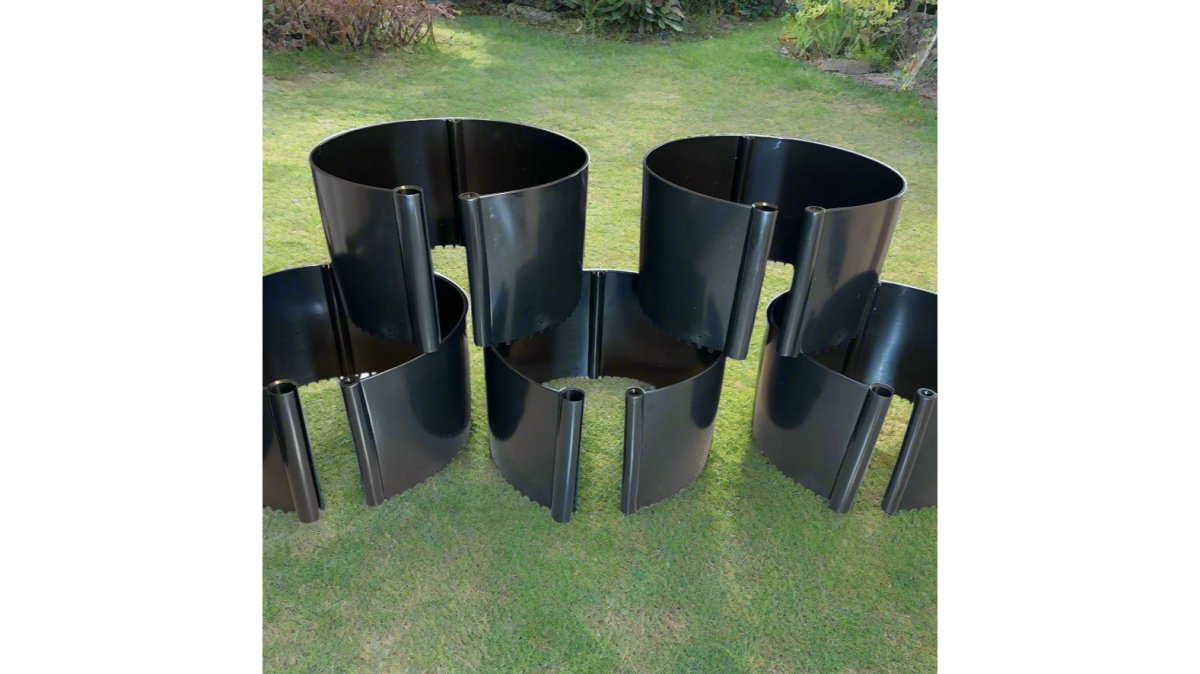
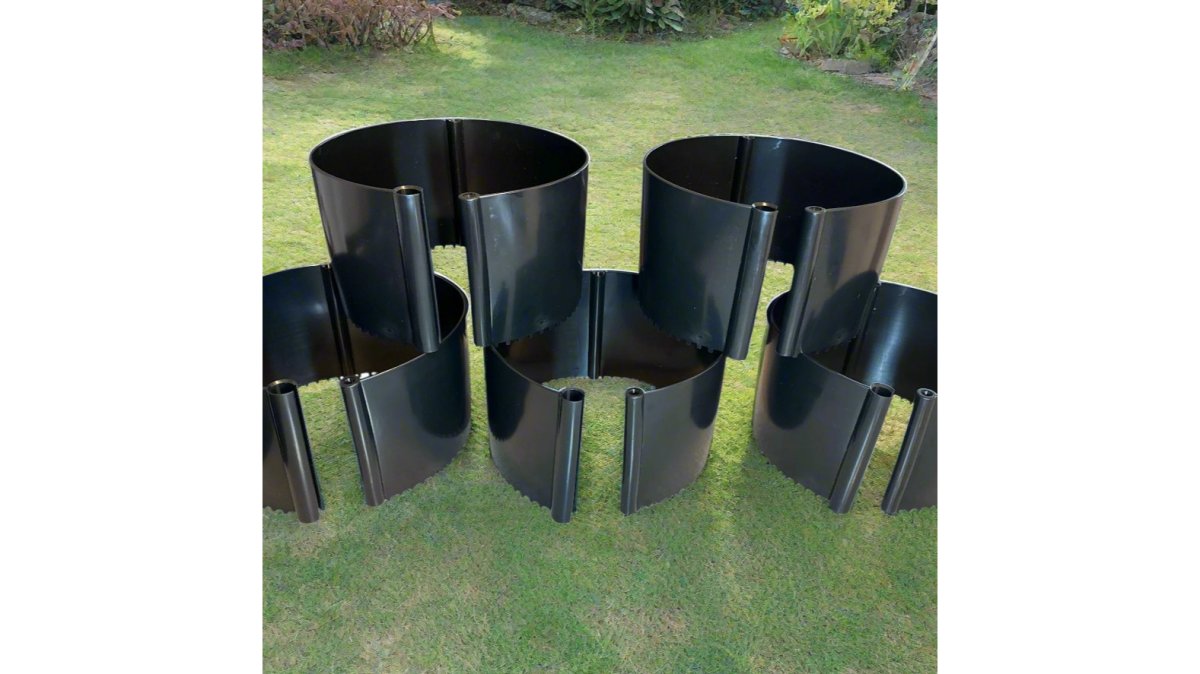
For plant-level delivery, the Garden Water Ring fits the raised-bed case well. It is one continuous piece that opens and closes with a sliding male/female locking system, so it wraps around an established plant without digging it up.

Plant Watering Devices: Timers, Meters, and Root-Zone Options
Plant watering devices split into three jobs: automating the schedule, measuring the need, and delivering water precisely.
Watering timers attach to a spigot or inline with drip tubing and open a valve on a set schedule, suiting gardeners who travel or water on a fixed routine. Moisture meters read soil at root depth so you water on evidence rather than a calendar. Water meters track how much you actually use, which helps when comparing water-saving claims. Automatic watering systems combine timers with drip lines, though they still need seasonal adjustment.
Where the Garden Water Ring Fits
Root-zone delivery is the fourth job, and it is where the Garden Water Ring earns its place. The ring is one continuous piece that opens and closes with a sliding male/female locking system, so it wraps around an established plant without digging it up.
Water and fertilizer go straight to the root zone, which helps reduce runoff and evaporation and supports deeper root development. It works on mild slopes where surface watering tends to run off.
Water Efficiency: Comparing Accessories That Save Water
Water-saving accessories fall into two groups: those that cut waste during delivery and those that cut waste between waterings. Knowing which group a product belongs to prevents overspending.
| Accessory | How It Saves Water | Best For | Trade-Off |
|---|---|---|---|
| Shutoff nozzle | Stops flow during walks | Hand watering | None significant |
| Soaker hose | Delivers low and slow | Flat beds, rows | Uneven output on long runs |
| Drip irrigation | Targets each plant | Large beds, schedules | Assembly and flushing |
| Rain barrel | Free captured water | Any garden near a downspout | Storage limits, overflow planning |
| Garden Water Ring | Holds water at the root zone | Individual plants, slopes | One plant per ring |
The EPA's WaterSense program guidance on outdoor water use emphasizes watering only when plants need it and directing water to the root zone. Both principles favor accessories that deliver precisely and measure honestly.
Prices and Trade-Offs: What You Get at Each Level
Pricing across watering accessories tracks materials and complexity more than brand. The useful question is not "which is cheapest" but "which parts fail first, and does this tool survive more than one season."
What Drives Price Up or Down
- Hose construction: Budget hoses use thinner walls and plastic fittings that crack at the coupling; mid-range gear adds reinforced hose and brass fittings; heavier-duty hose resists kinks and lasts multiple seasons.
- Nozzle and wand bodies: Plastic bodies are light and inexpensive but brittle in cold weather; metal bodies and brass fittings cost more and hold up to drops and freezes.
- Timers: Simple battery units cost least; multi-zone controllers climb in price alongside programming options. A timer cannot fix weak flow, so check your spigot's pressure first.
- Drip kits: Price rises with emitter count, tubing length, and whether a filter and pressure regulator are included. A kit without a filter is a false economy because clogged emitters cost you a season.
- Rain barrels: Cost tracks capacity, lid design, and whether an overflow fitting and spigot are included. Plan for overflow before you buy.
Selection Criteria That Actually Matter
- Durability and materials: Look for UV-resistant plastics, brass threads, and reinforced hose. Thin plastic threads strip first.
- Reach and adjustability: A wand extends your reach under dense foliage; an adjustable spray pattern covers seedlings and established plants with one tool.
- Storage and maintenance: Coilable hose, removable filters, and drainable barrels are easier to winterize. Gear that is hard to store gets left out and fails.
- Ease of use: Lightweight options, ergonomic grips, and easy-connect fittings matter for gardeners with limited strength or mobility. A shutoff trigger saves water and steps on every trip back to the spigot.
- Fit with your layout: Buy for your bed size and spacing, not for the largest garden you might have someday.
The Garden Water Ring is $49.95, and orders ship free within the USA directly from the manufacturer. The ring's value sits in durability and reuse: 100% virgin BPA-free, UV- and weather-resistant polypropylene, a weather-tight locking seal, and two holding spikes that keep it anchored through wind and watering. It is a one-time purchase you reuse season after season.
Seasonal Care and Winterization for Watering Gear
Winter damage quietly kills accessories that worked fine in summer. A short end-of-season routine protects the investment.
- Drain and coil hoses; store them out of direct sun and off concrete floors
- Remove, clean, and store timers indoors; take batteries out
- Drain rain barrels and disconnect them from downspouts before hard freezes
- Flush drip lines and store tubing loosely coiled
- Rinse the Garden Water Ring, let it dry, and stack it out of the weather; the polypropylene is built to handle winter storage and reuse
extension guidance on winterizing garden watering equipment recommends storing hoses and fittings dry and indoors where possible, since trapped water expands and splits plastic.
Conclusion
Watering well comes down to matching tools to the job: a hose and nozzle for reach, a timer for consistency, a meter for honesty, and a root-zone option for precision. Browse the Garden Water Ring product page to see sizing and details, and shop Garden Water Ring for a durable, reusable root-zone watering solution built to last season after season.
Frequently Asked Questions
What are some good devices for watering plants?
It depends on how many plants you have and how far the water has to travel. Watering cans and wands work well for containers and small beds. Soaker hoses and drip lines suit long rows. For individual vegetables, a root-zone device like the Garden Water Ring holds up to 2 gallons and releases it right at the base of the plant, which cuts evaporation and runoff. Many gardeners pair a moisture meter with whichever device they choose so they water on evidence rather than on habit.
Which garden watering accessories are best for vegetable gardens?
Vegetables in raised beds and rows do best with tools that deliver water at soil level. A hose with a shutoff nozzle, a watering wand for reaching the back of the bed, and a root-zone ring around heavy feeders like tomatoes and peppers cover most of the work. Add a moisture meter to check before watering and a rain barrel if you want to capture free water. Match the tool to your bed layout rather than buying a full kit you will not use.
How can I water plants at the root zone?
Set the delivery point at or just below the soil surface so water soaks down instead of running off. A ring-style device such as the Garden Water Ring installs about 2 inches into the soil with the teeth facing down and holds up to 2 gallons around the plant base. You can also use a soaker hose laid along the row or a watering wand held low. Whichever you pick, water slowly and check with a moisture meter before the next round.
What should I look for when choosing a garden hose nozzle?
Look for a comfortable shutoff lever you can work with one hand, a spray pattern that adjusts from a soft shower for seedlings to a stronger stream for cleaning tools, and a connection that matches your hose diameter. Metal bodies outlast plastic in sun exposure. Check the flow rate against your water pressure, since a nozzle rated for high flow will feel weak on a low-pressure spigot. A quick-connect fitting makes switching between nozzle and wand faster.


Leave a comment
This site is protected by hCaptcha and the hCaptcha Privacy Policy and Terms of Service apply.