Table of Contents
- Assess Your Garden Size and Layout
- Understand Water Pressure, Flow Rate, and Hose Selection
- Compare Irrigation System Types for Your Needs
- Benefits of Root-Zone Watering for Vegetables
- Best Garden Watering Accessories 2026
- Installation, Maintenance, and Water Conservation Tips
- Making Your Final Choice
- Frequently Asked Questions
Last Updated: September 26, 2026
Choosing the right garden watering supplies can mean the difference between thriving vegetables and struggling plants. How to choose garden watering supplies depends on understanding your garden's specific needs, from soil type and plant spacing to water pressure and system efficiency. This guide walks you through the key factors that determine which tools and methods will deliver water where it matters most: directly to the root zone.
Assess Your Garden Size and Layout
Start by measuring your garden space and mapping where plants are positioned. A small raised bed has different watering requirements than a sprawling in-ground vegetable patch. Sketch your layout and note which areas receive full sun, partial shade, or consistent moisture retention from nearby structures.
Garden size determines how much water volume you'll need to deliver per watering cycle. Knowing this figure helps you select equipment with adequate capacity and flow rate.
Layout also reveals problem areas. Sloped terrain causes runoff; compacted soil drains poorly; clay-heavy beds retain moisture longer than sandy soil. These conditions directly influence which watering method works best. A root-zone watering approach concentrates water where plants need it, reducing waste on unplanted areas and minimizing evaporation losses.
Document shade patterns throughout the day. Shaded beds dry more slowly than sun-exposed ones, so they need less frequent watering. This affects both how often you water and how much capacity your equipment needs per session.
Understand Water Pressure, Flow Rate, and Hose Selection
Water pressure and flow rate determine how quickly water reaches your plants and how evenly it distributes. Pressure is measured in PSI (pounds per square inch); flow rate is measured in gallons per minute (GPM). Most residential garden setups operate at 40-60 PSI with flow rates between 5-15 GPM.
Higher pressure doesn't always mean better results. Excessive pressure can erode soil, damage tender seedlings, and create runoff on slopes. Lower pressure with controlled flow rate delivers water more gently, allowing soil to absorb moisture rather than shed it.
Hose material affects durability and performance. Rubber hoses resist kinks and UV damage better than vinyl, making them ideal for permanent garden setups. Vinyl hoses cost less and work fine for temporary or seasonal gardens but degrade faster in direct sunlight. Hose diameter (typically 5/8-inch or 3/4-inch) influences flow rate; larger diameters deliver more water with less pressure loss over distance.
Test your water pressure at the spigot using an inexpensive pressure gauge. This single measurement guides your entire equipment selection. Low-pressure gardens may need pressure-boosting nozzles; high-pressure setups benefit from flow reducers to prevent waste and damage.
Compare Irrigation System Types for Your Needs
Different irrigation approaches suit different garden situations. Understanding the strengths and limitations of each helps you match the method to your conditions.
Drip irrigation delivers water slowly and directly to soil through emitter tubing. It minimizes evaporation and runoff, making it highly efficient for vegetable gardens. Drip systems work well on level ground and require minimal pressure. The downside: emitters can clog, and installation takes planning to position lines correctly.
Soaker hoses are perforated hoses that leak water along their length. They're affordable, easy to install, and effective for linear plantings like rows of tomatoes or beans. Soaker hoses work on gentle slopes and deliver consistent moisture. However, they're less precise than drip systems and cover less ground per hose.
Sprinkler systems spray water overhead, mimicking rainfall. They're quick to set up and cover large areas efficiently. Sprinklers work best on level ground with adequate water pressure. Drawbacks include higher evaporation loss in hot weather, potential for disease if foliage stays wet, and uneven water distribution in windy conditions.
Root-zone watering rings concentrate water directly around individual plants, reducing waste and preventing weed growth. These work particularly well on slopes where runoff is a concern. A root-zone approach is ideal for gardeners managing smaller plots or specific high-value plants like tomatoes and peppers.
| System Type | Best For | Water Efficiency | Installation Ease | Cost Range |
|---|---|---|---|---|
| Drip irrigation | Large vegetable gardens | Very high | Moderate | |
| Soaker hose | Rows and linear plantings | High | Very easy | |
| Sprinkler system | Level ground, large areas | Moderate | Moderate | |
| Root-zone rings | Individual plants, slopes | Very high | Very easy |
Benefits of Root-Zone Watering for Vegetables
Root-zone watering delivers water precisely where vegetable plants need it most: around the root system, 2-3 inches below the soil surface. This approach offers specific advantages that other methods struggle to match.
Water reaches the root zone instead of spreading across unplanted soil. This concentrates moisture where plants can actually absorb it, reducing waste significantly. On sloped terrain where runoff is a constant problem, root-zone watering keeps water in place long enough for soil to absorb it fully.
Deeper root development follows concentrated watering. When water is delivered consistently to the root zone, plants develop stronger, deeper root systems rather than shallow surface roots. Deeper roots access moisture reserves during dry spells and make plants more drought-tolerant overall.
Reduced watering frequency is a practical benefit. Because water concentrates in the root zone rather than dispersing across the entire bed, each watering session lasts longer. Many gardeners find they can reduce watering frequency, saving time and water.
Weed suppression happens naturally. Weeds thrive in moist surface soil. By keeping the root zone moist while surface soil stays relatively dry, root-zone watering discourages weed germination. This helps reduce weeding work throughout the season.
Fertilizer efficiency improves when water stays concentrated. Liquid fertilizers applied to the root zone stay where they're needed instead of running off or dispersing into unplanted areas. Plants absorb nutrients more effectively, and less fertilizer ends up wasted.
Best Garden Watering Accessories 2026
Selecting the right accessories transforms basic watering into a simplified process. Quality fittings, connectors, and specialized tools make a measurable difference in water delivery and system longevity.
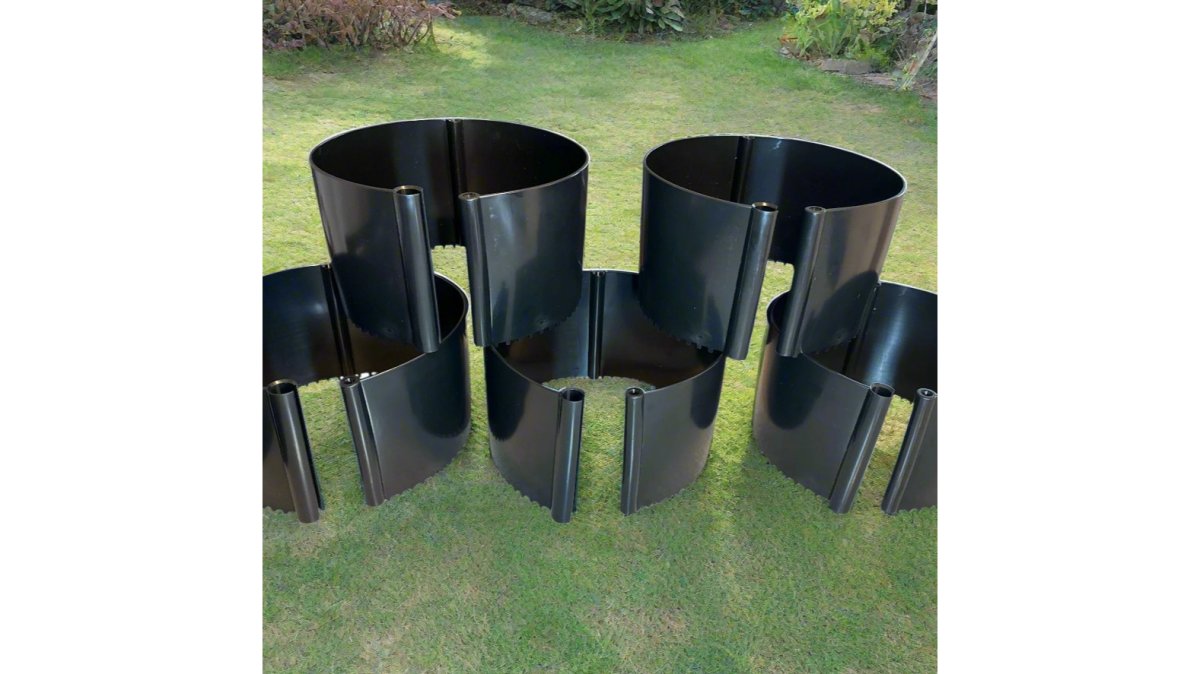
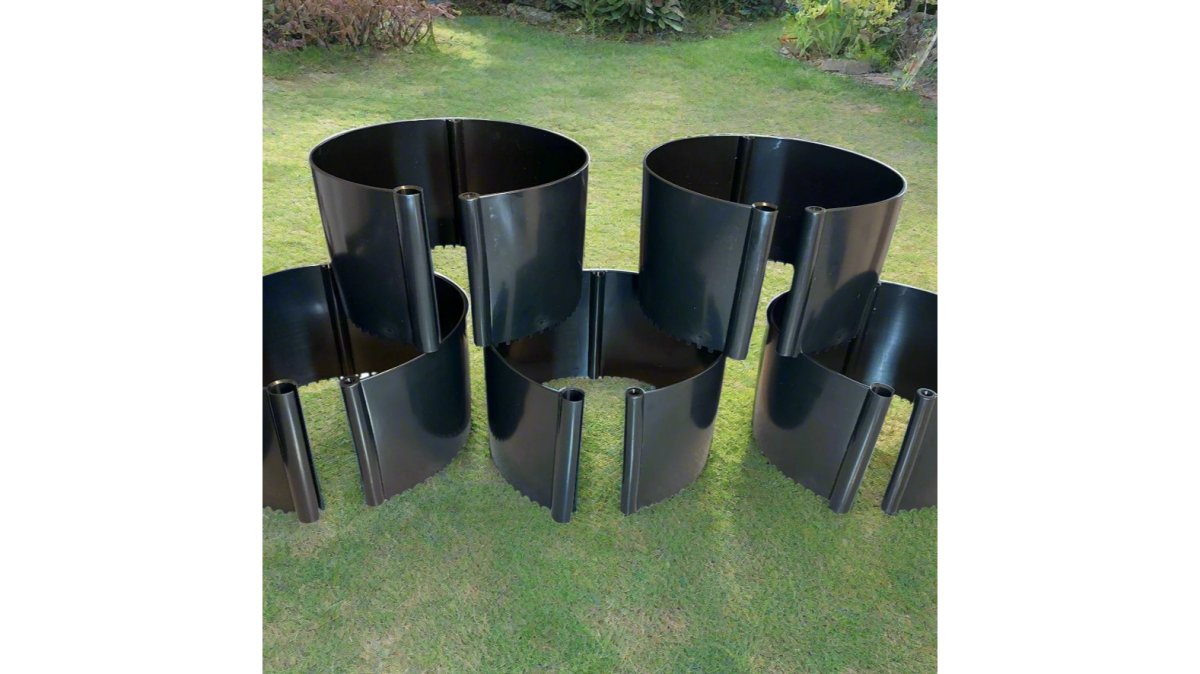
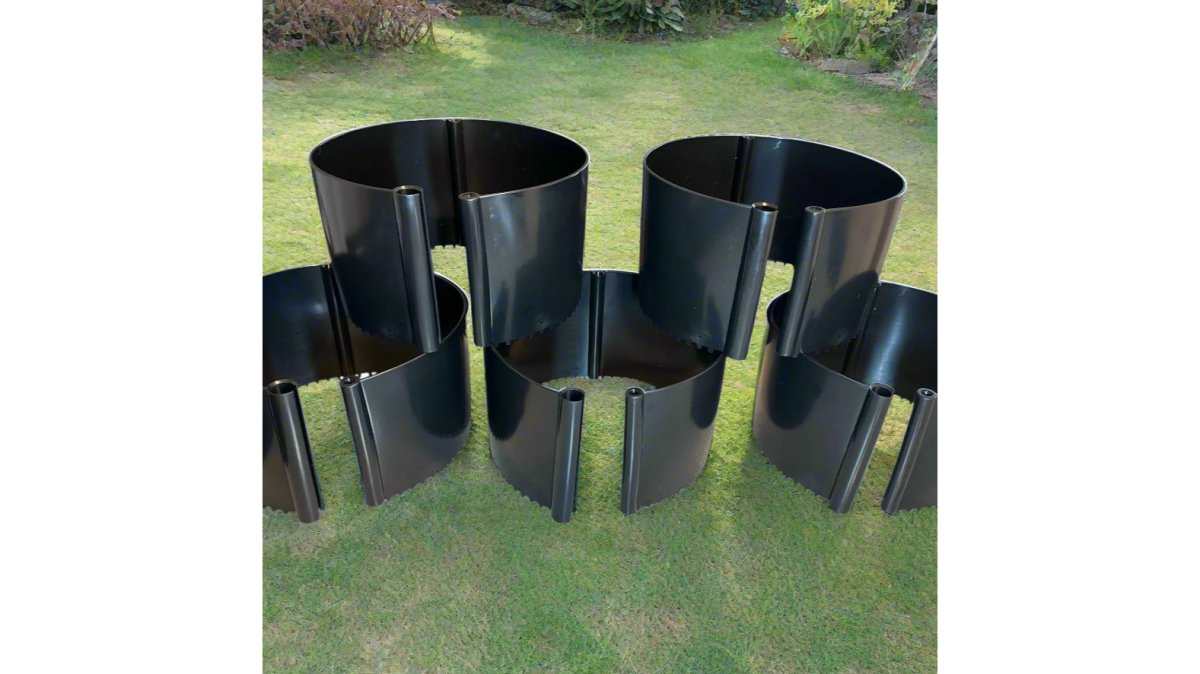
Garden Water Ring stands out as a purpose-built root-zone watering solution. This one-piece unit measures approximately 10 inches in diameter and 6 inches high, holding up to 2 gallons of water. The patented sliding male/female locking system opens and closes without tools, and two 11-inch holding spikes anchor it securely in soil. Manufactured from 100% virgin BPA-free, UV- and weather-resistant polypropylene, it's built to withstand seasons of use. Install it about 2 inches into the soil with teeth facing downward. The design concentrates water and fertilizer around the root zone, reduces runoff and evaporation, encourages deeper root development, and reduces watering frequency. It works effectively on mild slopes. Garden Water Ring is manufactured in the USA, and with Free Shipping in the USA, orders ship directly from the manufacturer to your door.

Hose fittings and connectors are often overlooked but critical. Brass fittings outlast plastic and resist corrosion far longer. Choose fittings that match your hose diameter (5/8-inch or 3/4-inch) and include washers to prevent leaks. Quality connectors prevent water waste and reduce frustration during seasonal setup and takedown.
Nozzles and spray patterns control water delivery.
Installation, Maintenance, and Water Conservation Tips
Proper installation ensures your watering supplies perform as designed. Start by preparing soil in your garden bed. Remove large rocks and debris that could interfere with water penetration. If soil is compacted, loosen the top 4-6 inches with a garden fork to improve water infiltration.
Making Your Final Choice
Your decision should balance three factors: garden layout, water availability, and your time commitment to maintenance.
Frequently Asked Questions
What is the difference between drip irrigation and root-zone watering?
Drip irrigation uses emitter tubing and sprinklers to deliver water across a larger area, while root-zone watering concentrates water directly at the base of individual plants. Root-zone watering reduces water waste and evaporation by directing moisture precisely where plants need it most. This targeted approach encourages deeper root development and is often easier to set up for small vegetable gardens without complex fittings and manifolds.
How much water should I apply to my vegetable garden, and how often?
Most vegetables need about 1 to 2 inches of water per week, delivered through rainfall or irrigation. The frequency depends on soil type, weather, and plant stage. Sandy soil drains faster and needs more frequent watering; clay holds moisture longer. Rather than watering on a fixed schedule, check soil moisture 2 to 3 inches below the surface. When it feels dry, it's time to water. Root-zone watering helps retain moisture longer, reducing how often you need to water between plants.
Will root-zone watering work on sloped or uneven ground?
Yes. Root-zone watering devices like the Garden Water Ring work on mild slopes because they concentrate water at the plant's base before it can run off. The device holds water in place, allowing it to soak into the root zone rather than flowing downhill. On steeper slopes, you may need multiple devices positioned strategically, but they are effective at reducing runoff and keeping water where your plants need it.
What makes a one-piece root-zone watering ring different from other watering accessories?
A one-piece design like the Garden Water Ring offers durability and simplicity. Unlike products assembled from separate wall sections, a continuous unit has no joints to leak or fail. It features a sliding male/female locking seal that keeps water secure, two holding spikes for stability, and holds up to 2 gallons. Made from UV- and weather-resistant polypropylene, it lasts year after year and requires no tools to install or relocate, making it ideal for beginners and seasoned gardeners alike.
How does root-zone watering reduce water waste compared to overhead sprinklers?
Overhead sprinklers deliver water across a wide area, and much of it evaporates before reaching the soil, especially in hot or windy conditions. Root-zone watering delivers water directly to the plant's base, where it soaks into the soil and reaches the roots. This method minimizes evaporation, reduces runoff, and ensures more of your water actually benefits the plant. The result is lower water consumption and more efficient use of every gallon, especially important during droughts or in dry climates.

Leave a comment
This site is protected by hCaptcha and the hCaptcha Privacy Policy and Terms of Service apply.