
Table of Contents
- Understanding Root Zone Management for Vegetable Success
- Root Growth and Development in Your Garden
- How to Water Vegetable Plants Deeply and Effectively
- Monitoring Vegetable Garden Soil Moisture Levels
- Creating a Vegetable Garden Watering Schedule That Works
- How to Prevent Water Runoff in a Garden
- Nutrient Availability and Root-Zone Efficiency
- Conclusion: Building Your Root-Zone Management Plan
- Frequently Asked Questions
Root Zone Management for Healthy Vegetable Yields
Last Updated: October 11, 2026
Understanding Root Zone Management for Vegetable Success
Root zone management, controlling the soil environment directly around plant roots, optimizes water availability, nutrient uptake, and oxygen movement. For home vegetable gardeners, effective root zone management is the foundation of healthy plants and productive yields.
When you manage the root zone well, your vegetables develop stronger root systems, absorb nutrients more efficiently, and become more resilient to stress. Poor root zone conditions lead to stunted growth, nutrient deficiencies, and disappointing harvests regardless of how much you water or fertilize.
Root Growth and Development in Your Garden
Vegetable roots grow downward and outward, seeking water and nutrients while avoiding compacted soil and waterlogged conditions. Understanding this growth pattern explains why root zone management matters so much.
When you water deeply and less frequently, roots grow deeper into the soil, anchoring plants better and accessing moisture during dry periods. This deeper root development is one of the most valuable outcomes of proper root zone management.
Root Depth by Vegetable Type
Different vegetables have dramatically different root architectures, and matching your watering and soil preparation to each crop's needs is essential for success.
Tomatoes and Peppers develop deep taproots extending 24 to 36 inches into the soil. During establishment (first 3 to 4 weeks after transplant), keep soil consistently moist in the top 6 inches. Once flowering begins, shift to deeper watering every 3 to 4 days to encourage roots to follow moisture downward and reduce blossom-end rot from inconsistent moisture.
Cucumbers, Squash, and Melons spread roots laterally in the top 12 to 18 inches of soil and prefer consistent moisture without waterlogging. Mulch stabilizes moisture and prevents stress that reduces fruit set.
Leafy Greens (lettuce, spinach, kale, chard) have shallow roots in the top 6 to 12 inches and need consistent moisture to prevent bolting and bitter flavor. Water lightly but frequently, every 1 to 2 days, rather than deep soakings. Mulch prevents soil-surface drying.
Root Vegetables (carrots, beets, radishes) need well-draining soil without compaction or stones. Water deeply but allow soil to dry slightly between waterings to encourage downward penetration.
Growth-Stage Adjustments
During seedling and transplant stage (weeks 1-3), keep the top 3 to 4 inches consistently moist. As plants enter active growth, gradually increase watering depth and reduce frequency. During flowering and fruiting, maintain consistent moisture at depth rather than frequent shallow watering.
How to Water Vegetable Plants Deeply and Effectively
Deep watering means delivering water slowly enough that it penetrates the soil rather than running off. Most home gardeners water frequently but shallowly, which encourages shallow root development. Wet soil to a depth of 8 to 12 inches at minimum. Water slowly, stop when pooling begins, wait 15 minutes, then continue.
Water early in the morning to minimize evaporation and allow foliage to dry quickly, reducing disease risk. Water needs depend on soil type, weather, and plant stage. Sandy soil drains quickly and needs more frequent watering; clay soil holds moisture longer.
Monitoring Vegetable Garden Soil Moisture Levels
Check soil moisture directly by pushing your finger 2 to 3 inches deep. If dry, water; if moist, wait. Alternatively, squeeze a handful of soil: it should form a loose ball that breaks apart when poked. A tight ball indicates too much moisture; soil that falls apart immediately is too dry.
Check moisture in multiple locations before watering, as shaded areas stay wetter longer than sunny spots and areas near heat-reflecting structures dry faster.
Creating a Vegetable Garden Watering Schedule That Works
A consistent watering schedule adjusted for weather, season, and plant growth stage removes guesswork. Young plants need more frequent watering; as roots expand deeper, frequency decreases. Rain changes everything, skip watering after heavy rain, but water normally after light rain. Keep simple notes to identify patterns over time.
| Growth Stage | Soil Moisture Target | Watering Frequency | Signs of Problems |
|---|---|---|---|
| Seedling/transplant | Consistently moist | Every 1-2 days | Wilting, stunted growth |
| Active growth | Moist at depth | Every 2-3 days | Yellowing, slow development |
| Flowering/fruiting | Moist but not soggy | Every 2-4 days | Blossom end rot, fruit cracking |
| Late season | Moderate moisture | Every 3-5 days | Early senescence, reduced yield |
How to Prevent Water Runoff in a Garden
Water runoff wastes water and nutrients. Prevent it by slowing water delivery and creating barriers. A 2- to 3-inch layer of organic mulch slows water movement, reduces evaporation, and improves soil structure. Raised beds and mounded rows naturally shed water away from plants. Adding organic matter to clay soil improves structure and water-holding capacity.
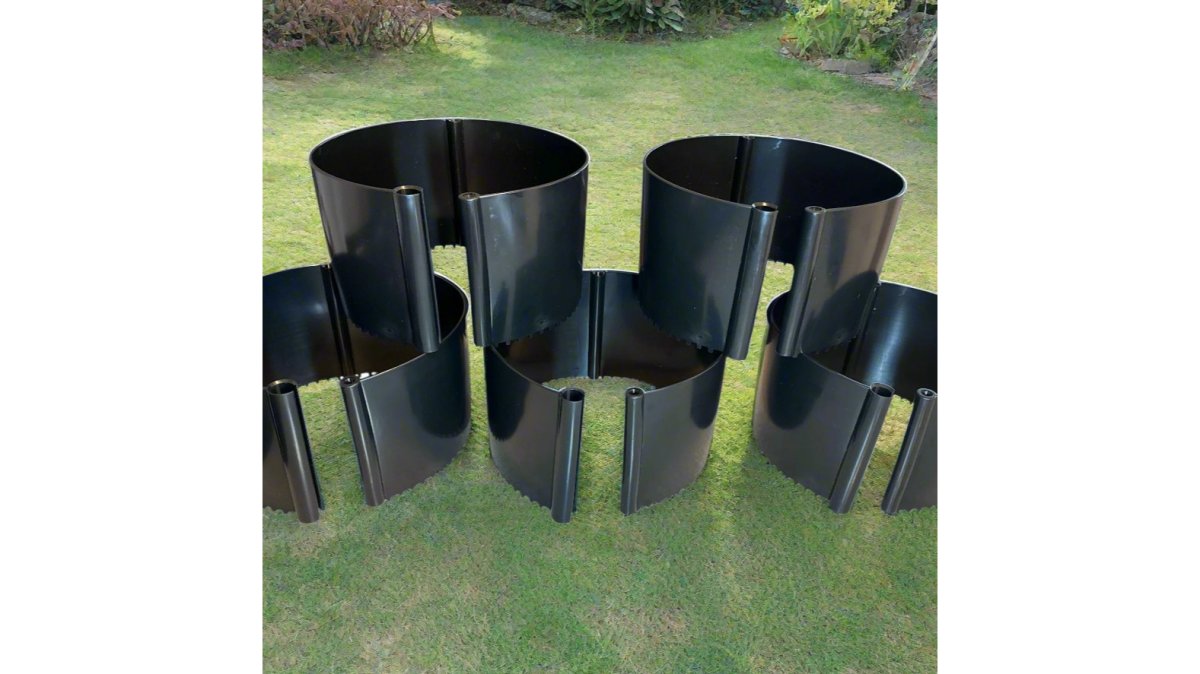
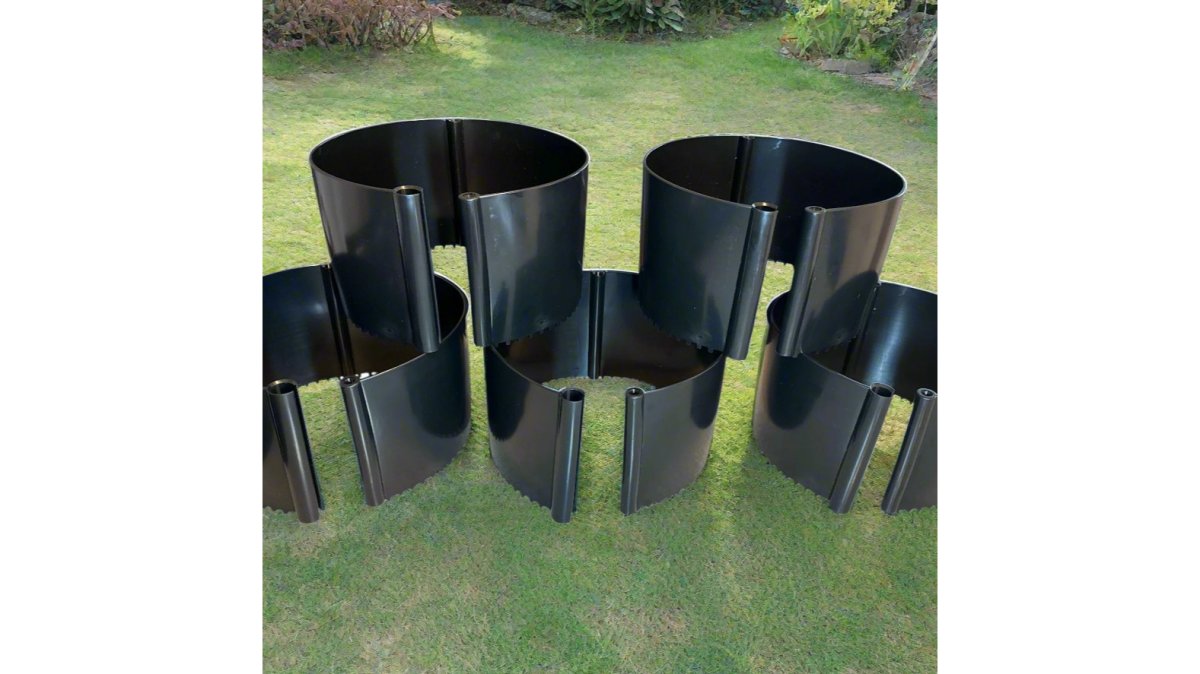
The Garden Water Ring is specifically designed to prevent runoff by concentrating water around the plant's root zone. Its 2-gallon capacity holds enough water to soak deep into the soil. The sliding locking system keeps water contained, allowing it to percolate downward rather than spreading across the garden. With free shipping in the USA, it's an accessible tool for gardeners looking to improve water efficiency and reduce waste.

Nutrient Availability and Root-Zone Efficiency
Roots must be in contact with soil water containing dissolved nutrients. When the root zone is too dry, nutrients remain locked in soil particles. When waterlogged, oxygen becomes scarce and roots can't absorb nutrients.
Measurable Targets for Root-Zone Conditions
General guidance helps, but measurable targets let you diagnose and correct problems in real time.
Soil Moisture should be maintained at 50 to 70% of field capacity for most vegetables during active growth.
Soil pH affects nutrient availability dramatically. Most vegetables perform best at pH 6.0 to 7.0 (Living on the land: Managing soil pH). A simple pH test kit or soil test through your local cooperative extension program reveals whether pH is limiting nutrient uptake.
Soil Temperature influences nutrient uptake and root respiration. Most vegetables absorb nutrients most efficiently when soil temperature is between 60°F and 75°F.
Diagnosing Nutrient-Uptake Problems
When plants show nutrient deficiency symptoms, root-zone conditions are often the culprit, not fertilizer absence.
Yellowing of older leaves while new growth remains green typically indicates nitrogen deficiency. Check soil moisture first: if soil is dry, water deeply and wait 3 to 5 days. Nitrogen is mobile in plants, so if the problem was moisture-related, new growth will green up.
Purple or reddish discoloration of stems and leaf undersides, especially in young plants, often signals phosphorus deficiency or cold soil. If soil temperature is below 55°F, wait for warming; phosphorus uptake will improve.
Yellowing between leaf veins while veins stay green indicates iron deficiency, common in alkaline soils (pH above 7.5). Check soil pH. If it's high, lower it by adding sulfur or acidifying fertilizer, or apply chelated iron as a foliar spray for immediate relief.
Wilting despite moist soil suggests root damage or waterlogging. Check for soft, dark roots (root rot) or soil that smells sour (anaerobic conditions). If waterlogging is the problem, improve drainage by adding organic matter, creating raised beds, or reducing watering frequency.
Organic Matter and Nutrient Cycling
Organic matter improves nutrient availability dramatically. Compost, aged manure, and other organic amendments increase a soil's ability to hold moisture while maintaining aeration.
Soil biology thrives in moist, aerated, biologically active soil. Waterlogged soil kills aerobic bacteria; bone-dry soil slows microbial activity. Maintaining consistent, moderate moisture supports the microbial communities that make nutrients available.
Fertilizer Efficiency and Root-Zone Moisture
Fertilizer effectiveness depends entirely on moisture. Dry soil prevents nutrient uptake. Waterlogged soil prevents root respiration and nutrient absorption. When you maintain consistent, moderate soil moisture, whatever fertilizer you apply, whether organic or synthetic, works more efficiently.
The Garden Water Ring supports nutrient efficiency by maintaining consistent moisture in the root zone. You can apply liquid fertilizer directly into the ring, where it dissolves and concentrates around the roots.
Conclusion: Building Your Root-Zone Management Plan
Healthy vegetable yields start with a healthy root zone. The practices covered here, deep watering, consistent moisture monitoring, runoff prevention, and nutrient management, work together to create ideal conditions for root development and plant productivity.
Start with the fundamentals: water deeply and less frequently, check soil moisture before watering, and mulch to retain moisture and prevent runoff. As you gain experience, you'll develop intuition about your specific garden's needs. Every garden is different based on soil type, climate, and microclimate conditions.
For gardeners seeking a practical tool that simplifies root zone management, the Garden Water Ring delivers water precisely where it matters most. Its one-piece design holds up to 2 gallons, prevents runoff on slopes, reduces evaporation, and encourages deeper root development. The sliding locking system keeps water concentrated around the root zone, and the two holding spikes anchor it securely in your soil. Shop Garden Water Ring today with free shipping in the USA and experience how targeted root-zone watering transforms your vegetable garden's productivity.
Frequently Asked Questions
What is root zone management in vegetable gardening?
Root zone management means controlling the soil environment where your vegetable roots grow. This includes managing water availability, soil structure, oxygen, nutrients, and drainage in the area directly around the roots. Proper root zone management encourages deeper root development, improves nutrient uptake, and supports healthier, more productive plants. It's the foundation of growing strong vegetables.
How often should I water vegetables at the root zone?
Watering frequency depends on your climate, soil type, and plant stage. Most vegetables need consistent moisture during active growth, typically 1 to 2 inches per week from rain or irrigation. Rather than watering on a fixed schedule, check soil moisture 2 inches deep. Water when the soil feels dry at that depth. Tools like a soil moisture meter or simple finger test help you avoid both overwatering and underwatering.
How can I reduce water runoff when watering vegetables?
Water runoff wastes water and nutrients, especially on sloped ground. Direct water slowly to the soil surface rather than flooding it. Use tools that concentrate water at the root zone, like a Garden Water Ring, which holds water in place and lets it soak gradually into the soil. Improve soil structure by adding organic matter, which increases water absorption. On slopes, create shallow basins around plants to catch and hold water where roots can access it.
Does watering at the root zone help vegetables use fertilizer more efficiently?
Yes. When you deliver water directly to the root zone, nutrients stay concentrated where roots can absorb them rather than spreading across the entire garden bed. This targeted approach, called fertigation, reduces nutrient loss through runoff and leaching. Plants take up water-soluble nutrients more effectively when moisture is steady and localized. The result is better nutrient cycling and less waste of fertilizer.
How deep should I water vegetable plants?
Most vegetable roots extend 6 to 12 inches into the soil, depending on the crop. Tomatoes, peppers, and squash develop deeper roots than lettuce or radishes. Water deeply enough to moisten the entire root zone, typically 6 to 8 inches for most garden vegetables. Deep watering encourages roots to grow down, making plants more resilient to dry spells. Shallow, frequent watering keeps roots near the surface and increases stress.
How can I encourage deeper roots in vegetable plants?
Water deeply but less frequently. This teaches roots to grow downward in search of moisture rather than staying shallow. Improve soil structure with compost or aged manure so roots can penetrate easily. Avoid compacted soil, which blocks root expansion. Consistent, targeted watering at the root zone, without waterlogging, supports the deeper, stronger root systems that make vegetables more productive and resilient.
Ready to improve your vegetable yields? Visit https://gardenwaterring.com/products/garden-water-ring to order the Garden Water Ring with free shipping and discover how root zone management can transform your garden.


Leave a comment
This site is protected by hCaptcha and the hCaptcha Privacy Policy and Terms of Service apply.