
Table of Contents
- Understanding Tomato Water Needs in Dry Climates
- Efficient Watering Methods for Vegetable Gardens
- Soil Preparation and Moisture Retention
- Selecting Heat-Tolerant Tomato Varieties
- How to Prevent Tomato Blossom End Rot
- Mulching and Shade Protection Strategies
- Timing and Planting for Dry Climates
- Frequently Asked Questions
Last Updated: September 27, 2026
Learning how to grow tomatoes in dry climates presents a unique challenge: plants need consistent moisture to thrive, yet arid conditions accelerate evaporation and increase water runoff. How to grow tomatoes in dry climates requires a strategic combination of soil preparation, smart watering methods, and variety selection. Garden Water Ring helps home gardeners solve this problem by delivering water directly to the root zone, where it matters most. Below, we'll explore the practical techniques that make tomato cultivation successful in water-scarce regions.

Understanding Tomato Water Needs in Dry Climates
Tomatoes are water-hungry plants, especially during fruit development. In dry climates, the challenge isn't just providing enough water, it's preventing that water from evaporating before roots can absorb it. Most gardeners underestimate how much moisture tomatoes actually need: consistent soil moisture encourages deeper root development and prevents stress-related problems like blossom end rot.
Dry climates create thermal stress on plants. High temperatures increase evapotranspiration, the combined loss of water through soil evaporation and plant transpiration. A tomato plant in an arid region may lose twice as much water as one grown in humid conditions, even when receiving the same amount of rainfall or irrigation. The soil itself dries faster, and surface watering often fails to reach the root zone before water evaporates.
Understanding this dynamic is the first step toward successful cultivation. Rather than fighting the climate, effective strategies work with it: concentrating water where roots can access it, protecting soil from direct sun exposure, and selecting varieties bred for heat tolerance.
Efficient Watering Methods for Vegetable Gardens
Watering strategy is the single most critical factor in dry-climate tomato success. The challenge is not just how much water to apply, but how to apply it so that water reaches the root zone before evaporating. In arid regions, surface watering can lose 30-50% of applied water to evaporation before it penetrates the soil, making method selection essential.
Deep Watering Techniques
Surface watering is the enemy of healthy tomato roots in dry climates. Light, frequent watering encourages shallow root systems that are more vulnerable to stress and drought. Deep watering, applying water slowly and thoroughly until it penetrates 8-12 inches into the soil, promotes roots to grow deeper, where soil moisture remains more stable and less subject to daily temperature swings.
The most effective approach is to water less frequently but more thoroughly. Rather than watering daily for 10 minutes, water 2-3 times per week for 20-30 minutes, allowing water to soak deep into the root zone. This method reduces overall water use while encouraging stronger, more resilient plants. The key is consistency: irregular watering, alternating between wet and dry, triggers physiological stress, blossom end rot, and fruit cracking.
Timing matters in dry climates. Early morning watering (before 9 a.m.) allows plants to absorb moisture before peak heat and reduces water loss to midday evaporation. Avoid evening watering in humid climates, but in arid regions with low humidity, evening watering can be effective because the reduced evaporation loss often outweighs the minor disease-pressure increase.
Irrigation Method Comparison for Arid Zones
Different watering methods deliver water with varying efficiency in dry climates:
Drip Irrigation delivers water directly to soil level through emitters or soaker lines, minimizing evaporation losses and wetting only the root zone. Drip systems reduce water use by 20-50% compared to overhead watering and eliminate wetting foliage, which reduces fungal disease risk. However, drip systems require initial setup, regular maintenance to prevent emitter clogging (especially in hard-water areas), and planning for seasonal shutdown in freezing climates.
Soaker Hoses are a simpler alternative to drip systems. Laid on the soil surface and covered with mulch, soaker hoses deliver water slowly along their length. They are less expensive than drip systems, easier to install, and effective for small to medium gardens.
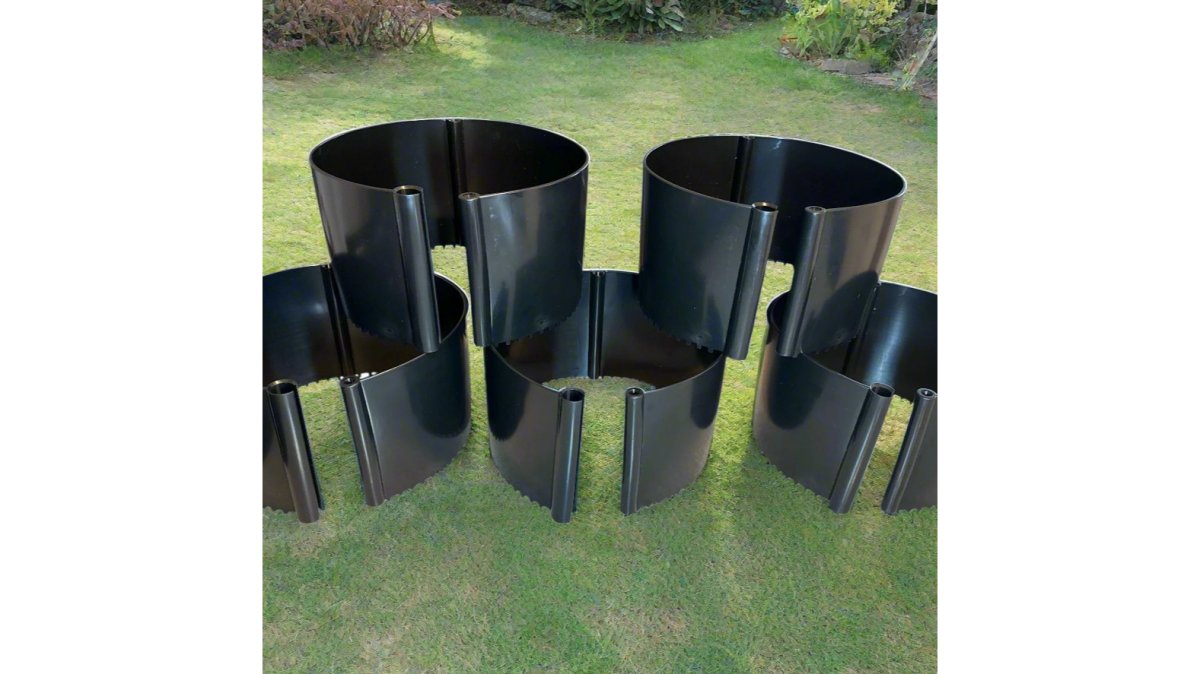
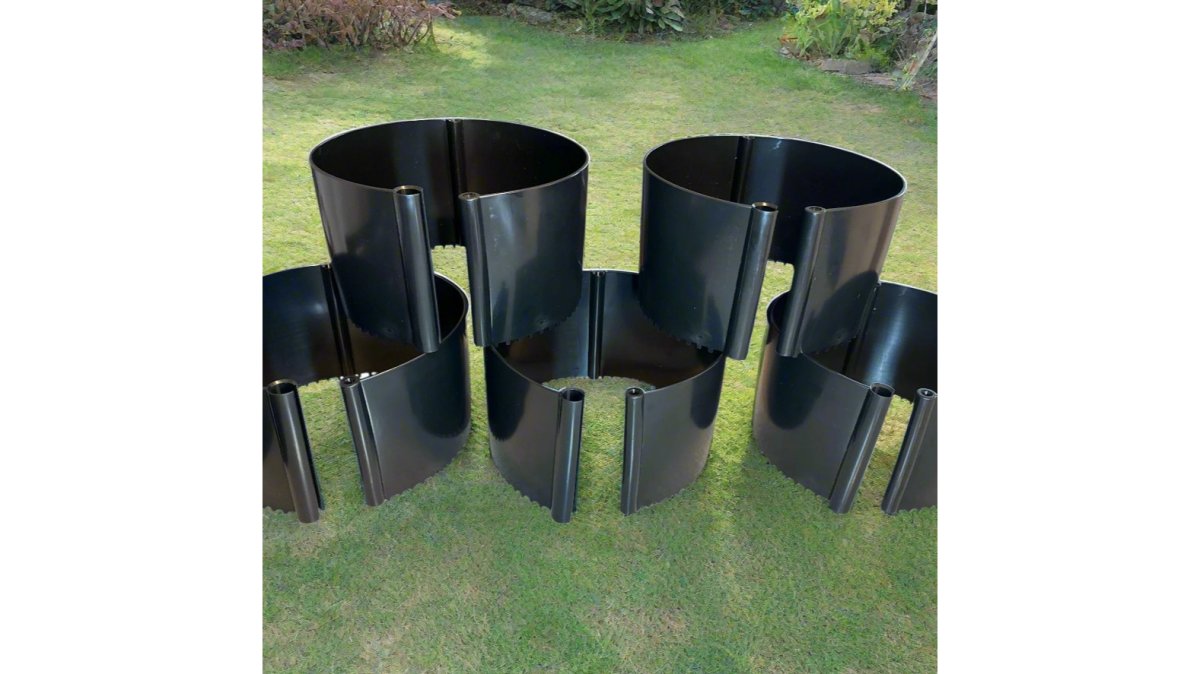
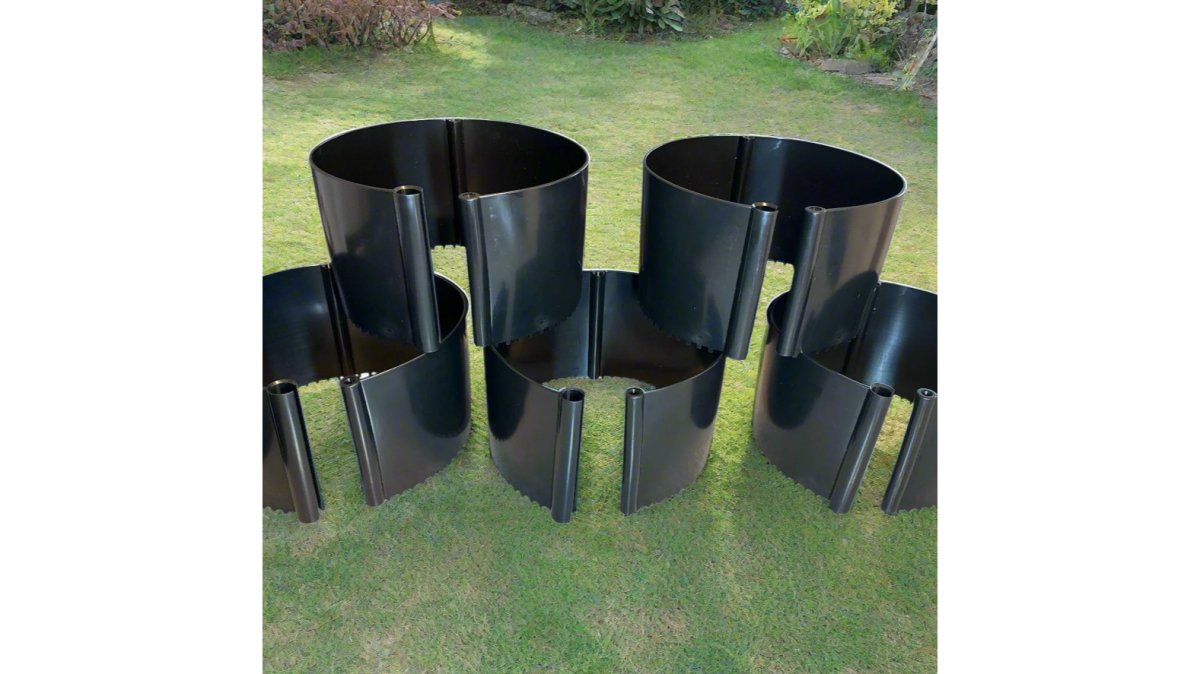
Using Root-Zone Watering Systems
Water Frequency and Volume Guidelines
In dry climates, tomato plants typically need 1-2 inches of water per week during active growth and fruit production, depending on temperature, soil type, and mulch cover. During peak summer heat (temperatures above 90°F), water demand increases; during cooler spring and fall periods, it decreases.
Soil Preparation and Moisture Retention
The foundation for successful tomato growing in dry climates is soil preparation. Soil rich in organic matter, compost, aged manure, peat moss, or other amendments, acts as a moisture reservoir, holding water longer and making it available to roots over extended periods.
Selecting Heat-Tolerant Tomato Varieties
Not all tomato varieties perform equally in dry, hot climates. Some cultivars are specifically bred for heat tolerance and drought resilience. Cherry and heirloom varieties often struggle in extreme heat, while determinate (bush) types and heat-adapted cultivars thrive.
How to Prevent Tomato Blossom End Rot
Blossom end rot, a dark, sunken lesion on the bottom of developing fruit, is fundamentally a calcium deficiency caused by inconsistent soil moisture (BP-13). When soil alternates between wet and dry, plants cannot absorb calcium evenly, leading to this physiological disorder. In dry climates, preventing blossom end rot means maintaining steady soil moisture.
Mulching and Shade Protection Strategies
Mulch is one of the most valuable tools in dry-climate gardening, but its benefits extend beyond moisture retention. In arid regions, mulch serves multiple functions: reducing soil surface evaporation, moderating temperature extremes, suppressing weed growth, and, critically, reducing pest pressure from heat-stressed plants.
Mulch for Moisture and Pest Management
A 2-3 inch layer of organic mulch, wood chips, straw, or compost, reduces soil surface evaporation by 50-70% and moderates soil temperature. Fewer weeds mean less competition for water and nutrients. But in dry climates, mulch also protects plants from the secondary stress of extreme soil-surface heat, which weakens plants and makes them more attractive to heat-loving pests like spider mites and thrips, common problems in arid regions.
Shade Cloth and Micro-Climate Engineering
Shade cloth provides additional protection in extreme heat. When daytime temperatures consistently exceed 95°F, shade cloth that filters 30-50% of sunlight can reduce thermal stress on plants and fruit. Shade cloth also reduces sunscald, a condition where fruit develops pale, papery patches from intense sun exposure.
Timing and Planting for Dry Climates
Successful tomato growing in dry climates depends partly on timing. Planting too early exposes seedlings to temperature fluctuations and requires more water during establishment. Planting after the last frost date, when soil has warmed and nighttime temperatures remain above 50°F, reduces transplant shock and allows stronger establishment.
Frequently Asked Questions
How often should you water tomatoes in hot, dry weather?
In hot, dry climates, tomatoes typically need deep watering 2-3 times per week, depending on soil type and temperature. Sandy soil dries faster and may need more frequent watering, while soil rich in organic matter retains moisture longer. Water deeply to encourage root development rather than frequent shallow watering. Using a root-zone watering system like the Garden Water Ring helps concentrate water where plants need it most, reducing evaporation and allowing you to water less frequently while keeping roots consistently hydrated.
What are the best tomato varieties for dry climates?
Heat-tolerant tomato varieties perform best in dry conditions. Look for cultivars bred for heat and drought resistance. Determinate varieties (bush types) often handle heat better than indeterminate (vining) types. Check seed catalogs for varieties rated for your hardiness zone and described as heat-tolerant or drought-resistant. Planting a mix of early, mid-season, and late-season varieties helps spread your harvest across the growing season.
How do you prevent blossom end rot in dry climates?
Blossom end rot results from calcium deficiency caused by inconsistent soil moisture. Prevent it by maintaining steady moisture levels in the root zone, avoid letting soil dry out completely between waterings. Mulching helps regulate soil moisture and temperature. Ensure your soil has adequate calcium by adding compost or a balanced fertilizer before planting. Root-zone watering systems deliver water directly to plants, reducing evapotranspiration losses and helping maintain the consistent moisture that prevents this disorder.
Will a watering ring work on sloped or uneven ground?
Yes. The Garden Water Ring works on mild slopes because its two 11-inch holding spikes anchor it firmly into the soil, and its design concentrates water around the root zone rather than allowing it to run downhill. The spikes prevent shifting on uneven terrain. For steeper slopes, position the ring on the uphill side of the plant to catch runoff naturally. The ring's ability to hold up to 2 gallons gives you flexibility to water less frequently while still delivering moisture where it's needed most.
How does a root-zone watering ring compare to drip irrigation?
Both deliver water efficiently to the root zone and reduce evaporation. Drip irrigation uses tubing and emitters to deliver water continuously or on a timer, while a root-zone watering ring like the Garden Water Ring is a simple, reusable basin that you fill manually. The ring requires no installation, tools, or maintenance, making it ideal for beginners or gardeners with small plots. It's also durable, portable, and works well on slopes. Choose based on your garden size, budget, and preference for hands-on watering versus automated systems.
What's the difference between mulching and shade cloth in dry climates?
Mulch (organic matter like compost or wood chips) sits on the soil surface and reduces evaporation, moderates soil temperature, and improves moisture retention as it breaks down. Shade cloth is a physical barrier suspended above plants to reduce direct sunlight and heat stress. Both are valuable in dry climates. Use mulch to protect soil moisture and encourage root development. Use shade cloth during extreme heat waves to prevent sunscald and pollination failure. Combining both strategies, mulch around the base and shade cloth during peak heat, offers the most protection.
Can you grow tomatoes in 100-degree weather?
Tomatoes can survive at 100°F, but growth slows and pollination may fail when temperatures exceed 85-90°F consistently. Pollen becomes less viable, reducing fruit set. To grow tomatoes in extreme heat, plant heat-tolerant varieties, provide afternoon shade cloth during the hottest months, ensure consistent soil moisture to reduce thermal stress, and mulch heavily to cool the root zone. Morning watering helps plants handle daytime heat. Focus on maintaining steady soil moisture and moderate root-zone temperature rather than trying to prevent all heat exposure.

Leave a comment
This site is protected by hCaptcha and the hCaptcha Privacy Policy and Terms of Service apply.