Table of Contents
- What Makes a Garden Irrigation System Last
- Material Durability and Weather Resistance
- Efficient Root Zone Watering Methods
- How to Reduce Water Runoff in Vegetable Gardens
- Maintenance and Winterization for Long-Term Performance
- Repair Versus Replace: Extending System Life
- Frequently Asked Questions
Last Updated: September 29, 2026
What Makes a Garden Irrigation System Last
A long lasting garden irrigation system depends on three core factors: material quality, proper installation, and consistent maintenance. The difference between a system that fails after one season and one that performs reliably for years comes down to how well these elements work together.
The materials matter most. UV-resistant polyethylene tubing, BPA-free components, and weather-resistant construction determine whether your system survives temperature swings, sun exposure, and freeze-thaw cycles. Installation depth and soil contact also affect longevity. Systems installed too shallow experience more UV degradation; those installed incorrectly may develop leaks or fail under pressure.
But here's what most guides miss: the real durability test happens during winterization and off-season storage. A system properly drained and stored can last indefinitely. One left full of water or exposed to freezing temperatures will crack within a season.
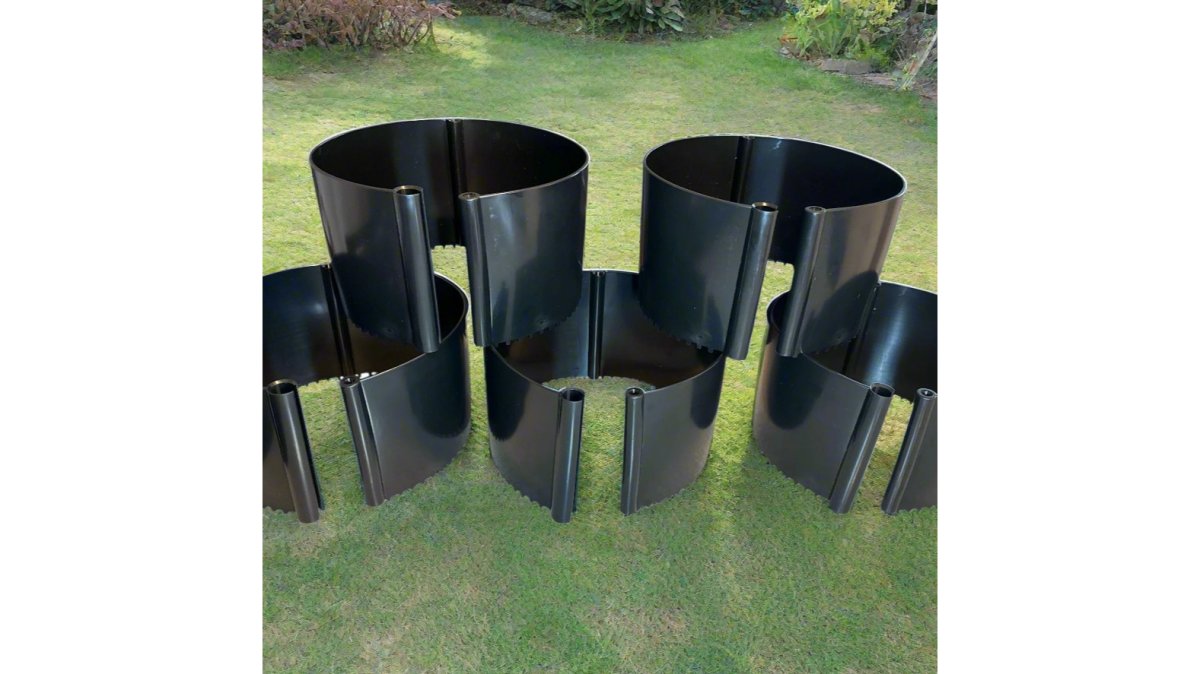
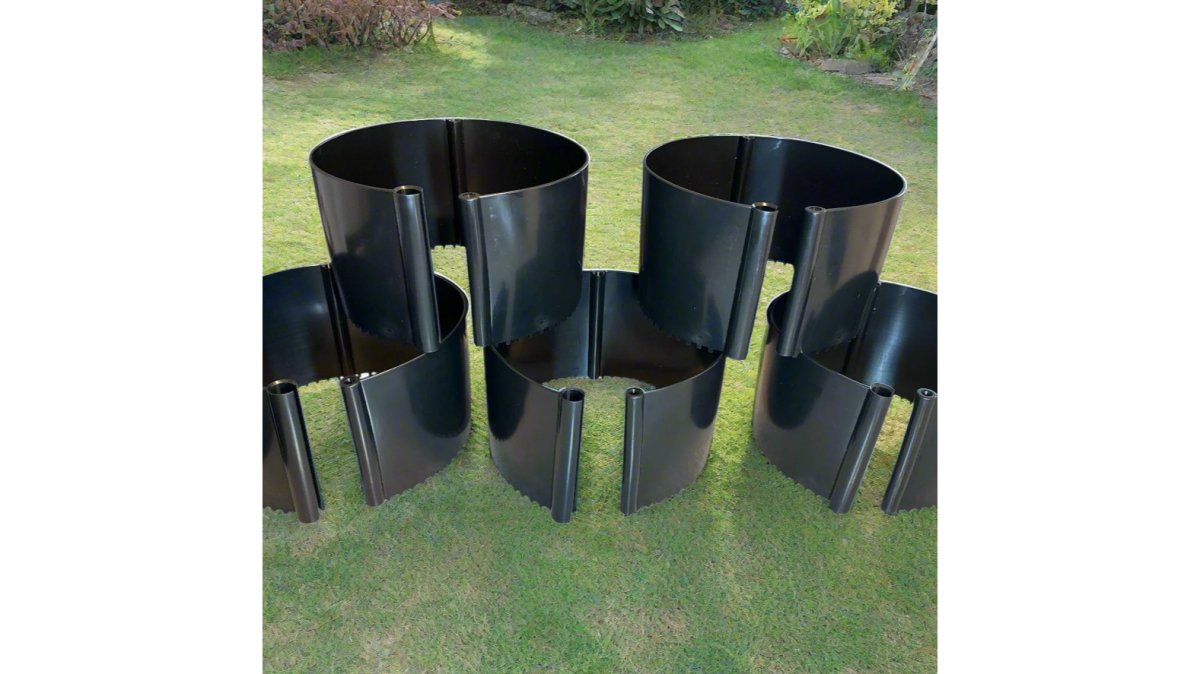
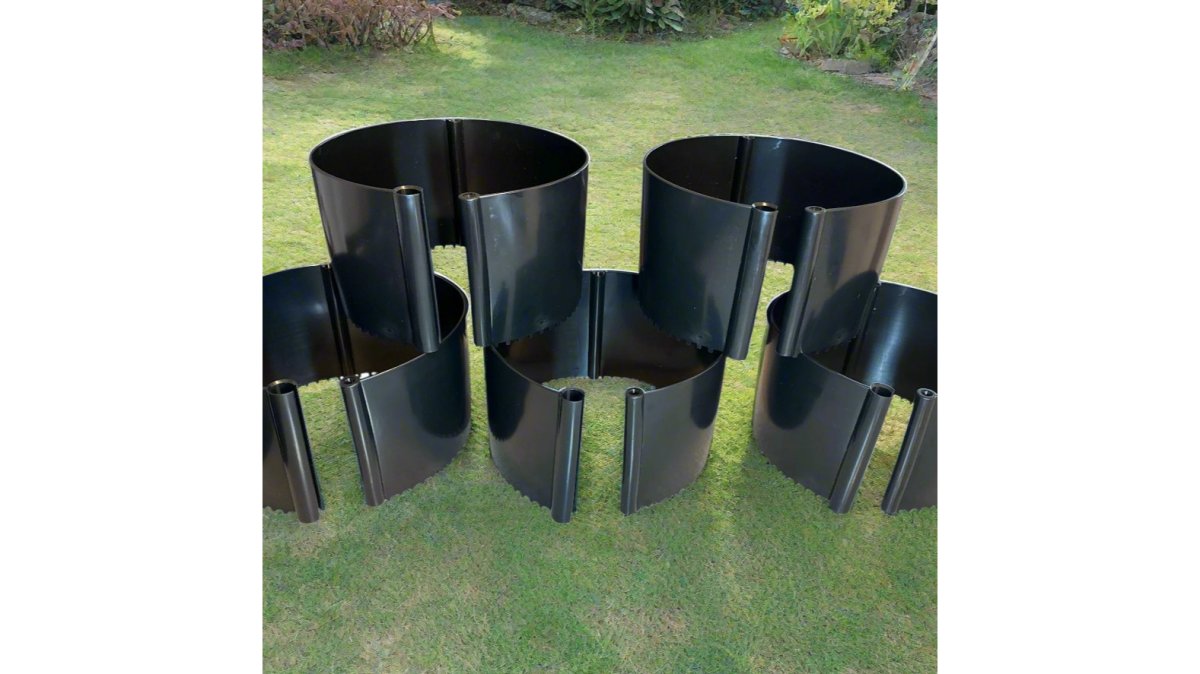
Garden Water Ring brings a durable approach to root-zone watering. Its one-piece polypropylene design eliminates connection points where leaks typically start. The continuous construction means no separate fittings to crack or come loose over time.

Material Durability and Weather Resistance
The materials in your garden irrigation system determine how many seasons it survives. Polyethylene tubing, the standard for drip systems, degrades when exposed to ultraviolet light. BPA-free virgin plastic resists this degradation better than recycled materials, which become brittle faster.
Weather resistance means the system can handle temperature extremes. Polypropylene, commonly used in quality root-zone watering products, maintains flexibility in cold and doesn't warp in heat. UV stabilizers added during manufacturing slow the breakdown process that sun exposure causes.
Most garden irrigation systems fail not from normal use but from improper storage or water chemistry. Water left inside tubing during freezing temperatures expands and cracks the material. This is why winterization matters as much as the initial material choice. A system made from durable plastic still fails if stored incorrectly.
Hard water and mineral buildup represent a less obvious but equally serious durability threat. If your water supply contains high levels of calcium and magnesium, common in many regions, mineral deposits accumulate inside tubing and emitters over time. This buildup restricts water flow, reduces system efficiency, and can eventually block emitters entirely. Hard water is measured in parts per million (ppm) of dissolved minerals; water above 120 ppm is considered moderately hard, and above 180 ppm is very hard. According to the USGS, approximately 85 percent of the country has hard water to some degree.
Mineral deposits form on interior tubing surfaces and inside emitter openings. Materials with smoother interior surfaces resist this buildup better than rough plastic. Over a full growing season, even moderately hard water can leave visible white or tan deposits inside clear tubing sections. These deposits don't just reduce flow, they can trap sediment and organic matter, creating blockages that are difficult to clear without disassembly.
Addressing mineral buildup extends system life significantly. Flushing the system regularly with clean water removes loose deposits before they harden. For systems in hard-water areas, soaking components in white vinegar (a mild acid) dissolves mineral accumulation. A 30-minute soak in a 50/50 vinegar-and-water solution removes most deposits without damaging plastic components. This simple maintenance step, performed every few months during the growing season, prevents the gradual performance loss that leads gardeners to replace otherwise functional systems.
Garden Water Ring's virgin polypropylene construction resists UV degradation and weather stress. The smooth interior surfaces and one-piece design eliminate the crevices where mineral deposits typically accumulate, reducing maintenance burden in hard-water regions. The 10-inch diameter and 6-inch height design helps concentrate water.
Efficient Root Zone Watering Methods
Root zone watering targets water directly to where plants need it most: the soil immediately around the roots. This approach reduces water waste by preventing runoff and evaporation that occurs with overhead watering or general sprinkler coverage.
Efficient root zone watering works by creating a localized water pocket. Water soaks downward through soil layers rather than spreading across the surface. This encourages deeper root development, which makes plants more resilient during dry periods.
Several methods achieve this. Soaker hoses deliver water along their length. Drip emitters release water at specific points. Root-zone rings concentrate water in a contained area, allowing soil to absorb moisture slowly over time.
The most efficient systems match the watering method to the plant type and soil condition. Clay soils absorb water slowly, so concentrated watering prevents runoff. Sandy soils drain quickly, requiring slower, more frequent watering to keep moisture in the root zone.
Garden Water Ring concentrates water in a 10-inch diameter circle, delivering up to 2 gallons directly to the root zone. The design allows water to seep downward through soil rather than spreading sideways. This focused approach reduces the total water needed compared to broad watering methods. With Free Shipping in the USA, getting a durable root-zone watering system to your door is straightforward.
How to Reduce Water Runoff in Vegetable Gardens
Water runoff wastes irrigation water and can cause soil erosion, especially on sloped terrain. Runoff occurs when water reaches soil faster than the soil can absorb it. Hard soil, compacted from foot traffic or heavy rain, absorbs water more slowly than loose, amended soil.
Vegetable gardens on mild slopes face particular runoff challenges. Water flows downhill before soaking in, leaving plants at the top with excess moisture and those downhill with insufficient water. Concentrated watering at the root zone prevents this by slowing water delivery to match soil absorption rates.
Organic matter improves soil absorption. Adding compost or aged mulch increases soil's water-holding capacity and absorption speed. Loose soil absorbs water faster than compacted soil. Tilling or loosening the top few inches before planting helps.
Mulch applied around plants reduces both runoff and evaporation. A 2-3 inch layer of wood chips or straw keeps soil surface cooler and allows water to penetrate rather than run off. Mulch also prevents soil compaction from rain impact.
Concentrated root-zone watering systems address runoff directly by delivering water slowly in a small area. Water enters soil gradually, giving it time to absorb. This approach works especially well on slopes where broad watering methods fail.
Maintenance and Winterization for Long-Term Performance
A garden irrigation system's lifespan depends heavily on end-of-season care. The most critical step is draining all water from tubing and components before freezing temperatures arrive. Water trapped inside expands when it freezes, cracking polyethylene and damaging fittings. However, the timing and method vary significantly depending on your climate zone.
For freezing climates (USDA zones 1-6, where winter temperatures regularly drop below 32°F), winterization should begin in early fall. Drain your system when nighttime temperatures consistently drop below 40 degrees Fahrenheit. Don't wait until the first hard freeze. Early drainage prevents damage from unexpected cold snaps. In northern regions, this typically means September or early October. The goal is to remove water before the first freeze, which can occur weeks before sustained winter cold.
Complete drainage requires more than simply turning off the water supply. Open all low-point drain valves and allow gravity to empty the main lines. For systems with multiple elevation changes or loops, water can remain trapped in high spots. Blow out remaining water using compressed air (if your system includes air-release valves) or by tilting and shaking tubing sections to force water out. This step is essential in freeze-prone regions; even small amounts of trapped water will expand and crack tubing.
For mild climates (USDA zones 8-10, where freezing is rare or brief), winterization is simpler but still necessary. Drain the system once in late fall as a precaution, even if hard freezes are unlikely. This prevents stagnant water from becoming a breeding ground for algae and bacteria, which can clog emitters when the system restarts in spring. In these regions, winterization is more about system cleanliness than freeze protection.
For transitional climates (USDA zones 6-8, where freezing is possible but not guaranteed), monitor the long-range forecast. If a hard freeze is predicted, drain immediately. If winter temperatures stay above freezing, you can delay drainage until late November or early December. However, do not leave water in the system through January; even brief freezes can cause damage.
Flushing the system before storage removes sediment and mineral deposits that accumulate during the growing season. This keeps tubing clear and reduces clogging when you restart the system in spring. Run water through all lines and emitters for several minutes to flush debris.
Repair Versus Replace: Extending System Life
Small repairs often extend a system's useful life by years. A cracked section of tubing can be cut out and reconnected with a coupling. A clogged emitter can be cleaned or replaced without replacing the entire line. These minor fixes are far less expensive than starting over.
Frequently Asked Questions
How long should a garden irrigation system last?
A well-maintained garden irrigation system typically lasts 5-10 years, depending on material quality and climate conditions. Polyethylene tubing and emitters degrade faster in intense UV exposure, while virgin polypropylene components resist weathering longer. Regular winterization, proper filtration to prevent mineral buildup, and timely repairs of cracked tubing or clogged emitters extend system life significantly. Systems in dry climates may require more frequent maintenance due to increased evaporation and mineral deposits.
What materials make garden irrigation tools last longer?
Virgin polypropylene and high-quality polyethylene resist UV damage and temperature extremes better than recycled plastics. Brass or stainless steel fittings outlast plastic connectors, especially in areas with hard water. Barbed connectors and pressure regulators rated for your water pressure prevent premature failures. BPA-free, weather-resistant materials maintain flexibility without becoming brittle. The Garden Water Ring uses 100% virgin, UV- and weather-resistant polypropylene, designed to remain durable through multiple seasons.
Why is root-zone watering more efficient than surface watering?
Root-zone watering delivers water directly to where plants absorb it, reducing evaporation and runoff. Surface watering loses 30-50% of water to evaporation and surface runoff, especially on sloped or uneven ground. Concentrated water at the root zone encourages deeper root development, making plants more drought-resistant. Root-zone methods also reduce unnecessary watering between plants and improve fertilizer efficiency by keeping nutrients where roots can access them, not spreading across the entire bed.
How can I reduce water evaporation in my garden beds?
Direct water to the root zone rather than spraying foliage or flooding the surface. Use mulch to cover soil and slow evaporation. Targeted watering rings concentrate water around individual plants, preventing evaporation across bare soil. Water early morning or evening when temperatures are cooler. Drip irrigation and soaker hoses deliver water at soil level, reducing loss compared to overhead watering. On sloped terrain, root-zone watering tools prevent runoff while keeping moisture where plants need it.

Leave a comment
This site is protected by hCaptcha and the hCaptcha Privacy Policy and Terms of Service apply.