Table of Contents
- Why Root Zone Watering Beats Overhead Sprinklers
- Method 1: Soaker Hoses for Deep, Slow Infiltration
- Method 2: Drip Irrigation vs Root Zone Watering Rings
- Method 3: The Soak and Cycle Technique for Tough Soil
- Choosing the Best Deep Root Watering Tools
- Practical Gardening Tips for Dry Climates
- Common Mistakes and How to Troubleshoot Them
- Final Thoughts on Root Zone Watering
- Frequently Asked Questions
Last Updated: September 8, 2026
Watering your garden seems simple, but most of the water sprayed from an overhead sprinkler never reaches the plant roots. Efficient root zone watering methods target the soil directly, cutting waste and building stronger plants. This guide breaks down practical techniques that save water while improving plant health.
Root zone watering is the practice of applying water directly to the soil around a plant's base rather than spraying the foliage and surrounding ground. This approach reduces evaporation, prevents runoff, and encourages roots to grow downward where moisture is consistent. Plants watered this way develop deeper root systems, which makes them more drought-resistant and less dependent on frequent irrigation.
Below, we'll compare soaker hoses, drip systems, watering rings, and the soak and cycle method. You'll learn which tools suit different soil types, how to install them, and how to troubleshoot the most common failures.
Why Root Zone Watering Beats Overhead Sprinklers
Overhead sprinklers lose a significant portion of water to evaporation before it ever touches the soil, especially on hot or windy days. Water that lands on leaves evaporates quickly, and any that hits bare soil between plants often runs off instead of soaking in. Subsurface irrigation and direct root zone delivery eliminate most of that waste.
The difference matters for plant health, not just your water bill. Frequent, shallow watering from sprinklers encourages roots to stay near the surface, where they dry out fast. Deep root zone watering trains roots to grow downward, building resilience against heat and drought. According to guidance from the University of California's Division of Agriculture and Natural Resources, deep, infrequent watering is one of the most effective ways to promote drought tolerance in established landscapes.
For gardeners on sloped terrain, the case is even stronger. Water runs downhill before it can infiltrate, leaving the top of the slope dry. Watering rings and other basin-style tools hold water in place long enough for it to percolate into the root ball.
Method 1: Soaker Hoses for Deep, Slow Infiltration
Soaker hoses are porous tubes that weep water along their entire length, delivering moisture directly to the soil surface. They work best in vegetable beds and along rows of shrubs where you can lay the hose flat and cover it with mulch.
The key to success with soaker hoses is slow delivery. Water should seep out gradually enough that it soaks into the soil rather than pooling or running off. Most soaker hoses need about 30 minutes to an hour to wet the top 6 inches of soil, depending on your soil type and water pressure.
A common mistake is burying the hose too deep or leaving it exposed to the sun. Burying it more than 2 inches makes it hard to monitor and repair. Leaving it exposed causes the pores to clog and the material to degrade faster. Cover the hose with 2 to 3 inches of organic mulch to slow evaporation and protect the hose.
Soaker hoses are inexpensive and easy to move between beds. Their main limitation is uneven water distribution on slopes, where gravity pushes water to the lowest point and leaves the upper sections dry.
Method 2: Drip Irrigation vs Root Zone Watering Rings
Drip irrigation and watering rings both deliver water to the root zone, but they work differently in practice. Drip systems use a network of emitters and tubing to supply water slowly to individual plants across a large area. A root zone watering ring is a single, open reservoir that encircles one plant and releases water directly into the soil around its base.
Drip irrigation shines for large gardens and permanent plantings. Once installed, it delivers consistent moisture with minimal labor, and it handles long rows of vegetables or shrubs efficiently. The trade-off is complexity: emitters clog, tubing degrades in sunlight, and the system requires careful design to ensure each plant receives the same amount of water.
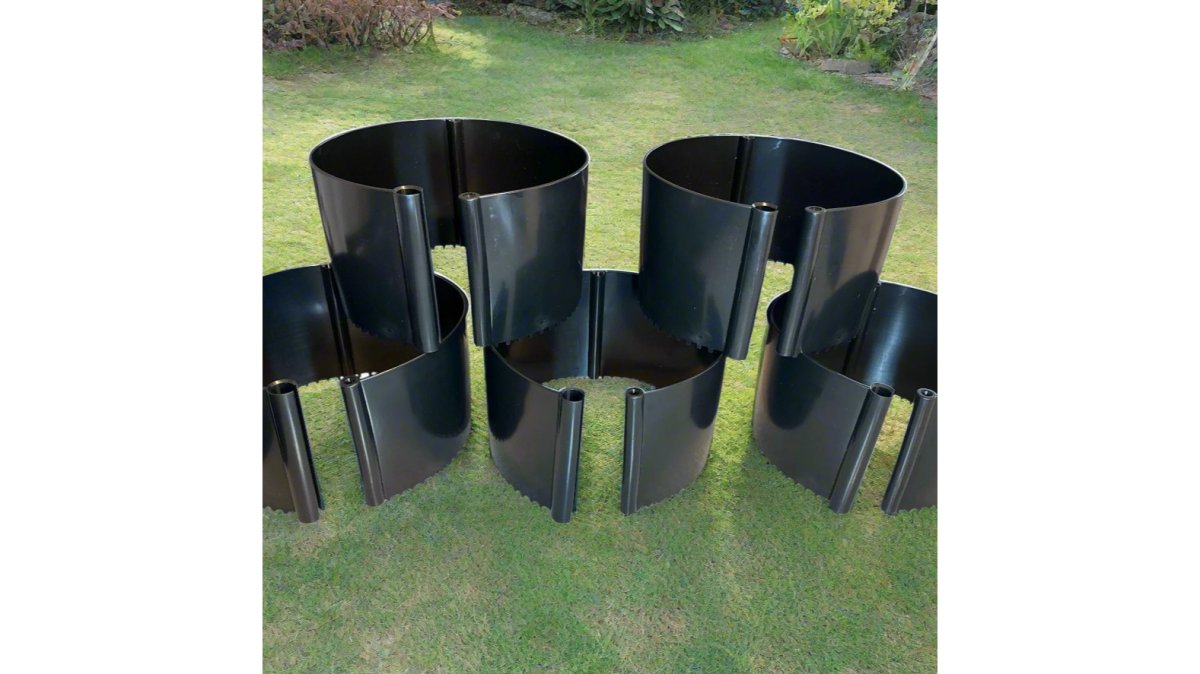
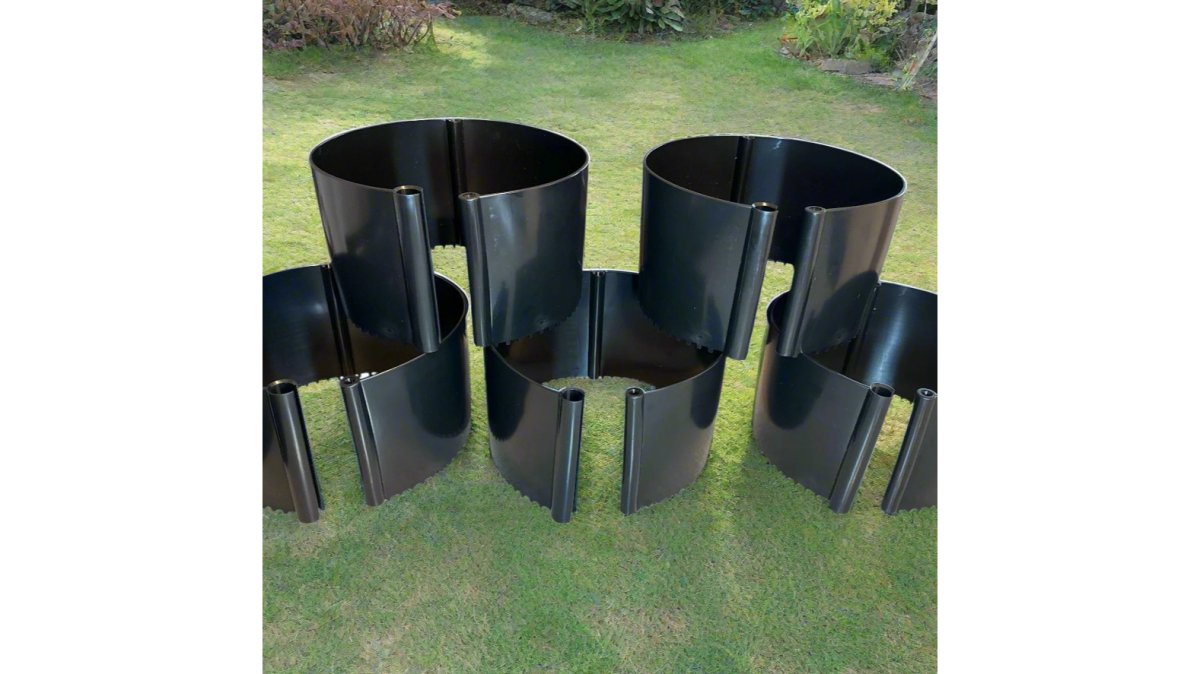
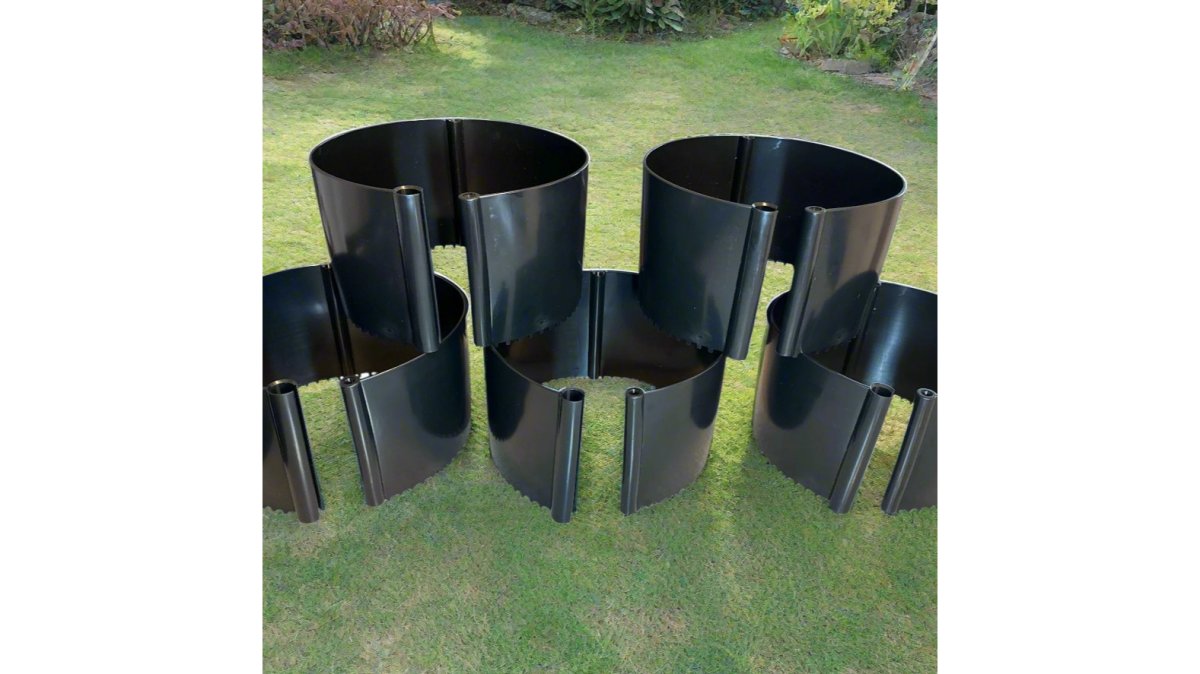
Watering rings offer a simpler, more targeted approach for individual plants. A ring holds water in a contained basin around the stem, letting it infiltrate slowly without running off, even on slopes. The best rings are a single piece with a water-tight seal, so they don't leak at the joint. This makes them ideal for gardeners with a few high-value plants like tomatoes, peppers, or squash.
| Method | Best For | Water Delivery | Slope Performance | Maintenance |
|---|---|---|---|---|
| Soaker Hoses | Rows of vegetables, shrubs | Slow seepage along length | Poor, water runs to low spots | Moderate, pores can clog |
| Drip Irrigation | Large beds, permanent plantings | Emitters at each plant | Good with pressure regulators | Higher, emitters and tubing need upkeep |
| Watering Rings | Individual large plants | 2-gallon reservoir at base | Excellent, holds water in place | Minimal, no moving parts |
For gardeners who already have drip irrigation working well, switching isn't necessary. But for those adding a few tomatoes or peppers to a small bed, or fighting runoff on a slope, a watering ring is often the more practical choice. If you're ready to try one, Free Shipping!!! is available on orders from Garden Water Ring.

Method 3: The Soak and Cycle Technique for Tough Soil
Clay soil and compacted ground absorb water slowly, and a single long watering session often results in runoff before the water penetrates. The soak and cycle method breaks watering into shorter sessions with rest periods in between, allowing each round to infiltrate before the next begins.
Here's how it works:
- Water the root zone for 10 to 15 minutes until water begins to pool on the surface.
- Stop and wait 30 to 60 minutes for the water to soak in.
- Repeat the cycle two or three times until the soil is wet to the desired depth.
This technique is especially effective for clay soil and for large trees and shrubs with established root balls that resist water infiltration. It also works well with watering rings, which hold the water in place during each cycle instead of letting it run off.
For sandy soil, the soak and cycle method is less necessary, since sand drains quickly. Sandy soil benefits more from adding organic matter to improve moisture retention than from changing your watering schedule.
Choosing the Best Deep Root Watering Tools
Deep root watering tools fall into three categories: watering rings, root feeders, and drip systems. Root feeders are hollow stakes that inject water several inches below the surface, useful for trees and large shrubs. Drip systems cover broad areas. Watering rings sit on the surface and deliver water directly above the root ball.
For most home gardeners growing vegetables in raised beds or small plots, a watering ring offers the best balance of effectiveness and simplicity. The Garden Water Ring holds up to 2 gallons of water, which is enough to thoroughly saturate the root zone of a single tomato or pepper plant. Its one-piece design means no assembly and no leak-prone seams, and the water-tight locking seal keeps every drop where it belongs.
Material quality matters more than most gardeners expect. Cheap rings made from recycled or thin plastic can crack after a single season in the sun. The Garden Water Ring is manufactured in the USA from virgin polypropylene, which resists UV damage and stays flexible in cold weather. It's also designed to withstand weed wackers, a detail that matters when you're maintaining a tidy garden.
Practical Gardening Tips for Dry Climates
Dry climates demand a different watering strategy than humid regions. The goal is to make every gallon count by minimizing evaporation and maximizing moisture retention in the soil.
Start with a layer of organic mulch, 2 to 4 inches thick, spread around your plants. Mulch shades the soil, slows evaporation, and keeps the root zone cooler. It also suppresses weeds that compete with your plants for water.
Group plants with similar water needs together, a practice called hydro-zoning. Tomatoes, peppers, and cucumbers all need consistent moisture, so planting them together lets you water efficiently without overwatering drought-tolerant herbs like rosemary or sage.
Water early in the morning, before the sun gets intense. This gives water time to soak in before evaporation rates climb. Evening watering works too, but it leaves foliage wet overnight, which can encourage fungal disease in some plants.
Common Mistakes and How to Troubleshoot Them
Mistake: Watering too frequently and too shallowly. This trains roots to stay near the surface. Fix it by watering deeply and waiting until the top few inches of soil dry out before watering again.
Mistake: Ignoring soil type. Clay soil holds water for a long time and needs less frequent watering. Sandy soil drains fast and needs more frequent, lighter watering. Match your schedule to your soil, not to a fixed calendar.
Mistake: Letting water run off instead of soak in. On slopes or compacted soil, water runs off before it penetrates. Use a watering ring or build a shallow basin around each plant to hold water in place, and use the soak and cycle method for tough soil.
Mistake: Not checking for clogged emitters. Drip irrigation emitters clog with mineral deposits and debris over time. Check each emitter periodically and flush the system at the start of each season.
Mistake: Choosing the wrong tool for the plant. A soaker hose works fine for a row of lettuce but wastes water on a single large tomato plant. Match the tool to the planting layout.
Final Thoughts on Root Zone Watering
Efficient root zone watering comes down to a simple principle: put water where roots grow, and let it soak in slowly. Whether you choose soaker hoses, drip irrigation, or watering rings, the techniques in this guide will reduce your water use and grow stronger, more productive plants.
The biggest mistake gardeners make is overcomplicating the process. Start with one method, observe how your soil responds, and adjust from there. For individual vegetable plants on slopes or in dry climates, a watering ring can be a simple, reliable solution.
The challenge with root zone watering isn't understanding the concept, it's finding a tool that delivers water consistently without leaking or breaking down. Garden Water Ring solves that with a patented, one-piece design that holds up to 2 gallons of water at the base of each plant, manufactured in the USA from weather-resistant polypropylene. It prevents runoff and evaporation, reduces watering frequency, and works on sloped or uneven ground. Get started with Garden Water Ring and give your plants the deep, consistent hydration they need to thrive.
Frequently Asked Questions
Why is root zone watering more efficient than overhead spraying?
Overhead sprinklers spray water into the air where wind drifts it and sun evaporates it before it hits the soil. Much of what lands runs off the leaves and the surface. Root zone watering delivers water directly to the soil above the roots, so it infiltrates straight down. This minimizes evaporation and runoff, meaning more water reaches the root ball and less is wasted.
How deep should water penetrate for established trees?
Established trees have roots that extend 18 to 24 inches below the surface. For deep root watering, you want the soil to be saturated down to that depth. A slow trickle is key: apply water for a set period, let it soak in, and repeat. This soak and cycle approach prevents runoff and encourages deeper root penetration.
Which type of irrigation applies water directly to the root zone?
Drip irrigation and soaker hoses apply water directly to the root zone. Drip systems use emitters to release water slowly at specific points. Soaker hoses weep water along their entire length. Watering rings are another option: they are placed around the plant stem and filled with water, which then seeps out slowly to the surrounding roots.

Leave a comment
This site is protected by hCaptcha and the hCaptcha Privacy Policy and Terms of Service apply.