Table of Contents
- How Long Do Plastic Watering Rings Last in Your Garden
- Material Durability and Structural Integrity
- UV-Resistant Garden Supplies and Weather Resistance
- Benefits of Root Zone Watering for Long-Term Plant Health
- Maintenance and Cleaning to Extend Lifespan
- Best Garden Watering Accessories 2026: Choosing Durable Options
- Safe Usage and Proper Disposal
- Frequently Asked Questions
Last Updated: September 28, 2026
How Long Do Plastic Watering Rings Last in Your Garden
Plastic watering rings last many seasons in home gardens, and understanding their durability helps you choose a product that serves your garden for years to come. The lifespan of plastic watering rings depends on the material quality, UV resistance, and how well you maintain them. Quality rings can remain functional for many seasons with proper care.
A well-made ring resists cracking, fading, and structural failure better than cheaper alternatives. Understanding what affects durability helps you choose a product that serves your garden for years to come.
Material Durability and Structural Integrity
The durability of plastic watering rings starts with the resin used to manufacture them. Virgin polypropylene is stronger and more stable than recycled plastic. It resists brittleness and maintains flexibility even after extended outdoor exposure.
Polypropylene comes in different grades, and the grade affects lifespan significantly. Virgin polypropylene formulations used in quality watering rings can remain functional for many seasons under normal garden conditions. Lower-grade recycled plastics or thin-walled designs often show structural fatigue sooner. The difference comes down to polymer chain integrity: virgin resin has longer, more stable chains that resist the thermal cycling and UV exposure that break down recycled material faster.
Polymer chains in high-quality plastic stay intact longer under stress. When plastic is exposed to temperature changes, the material expands and contracts. Cheap plastics develop stress cracks from this thermal cycling. Better materials handle the repeated expansion without failing.
Identifying Structural Fatigue Before Failure
You don't have to wait for a ring to crack to know it's aging. Watch for these early warning signs of material breakdown:
- Color fading or yellowing: UV exposure breaks down the polymer chains that give plastic its color. Significant discoloration (especially if the black plastic turns gray or chalky) signals that the material is becoming brittle.
- Loss of flexibility: Bend the ring gently by hand. Quality plastic flexes and returns to shape. If it feels stiff or cracks slightly when flexed, the polymer chains have degraded and failure is near.
- Surface crazing: Look for a fine network of tiny cracks on the plastic surface, especially in high-stress areas like the locking mechanism or where the spikes attach. This crazing indicates the material is losing its ability to absorb stress.
- Discoloration at stress points: The locking mechanism and spike attachment areas experience the most stress. If these areas show darker discoloration or white stress marks, the plastic is beginning to fail at those joints.
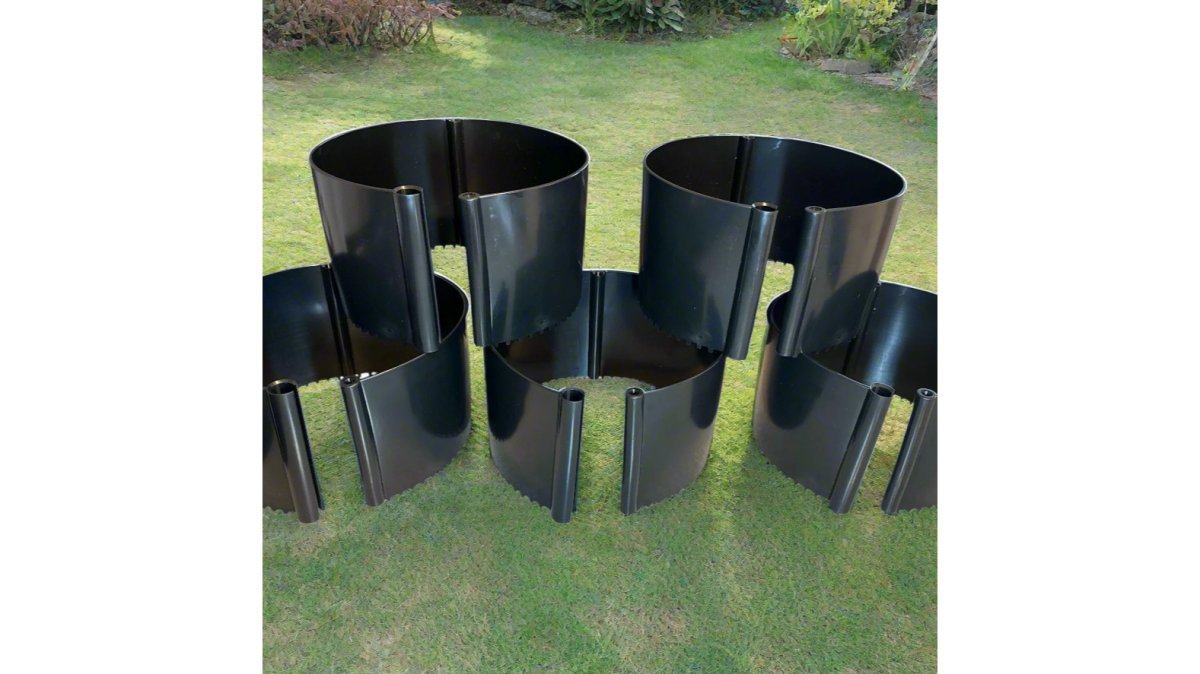
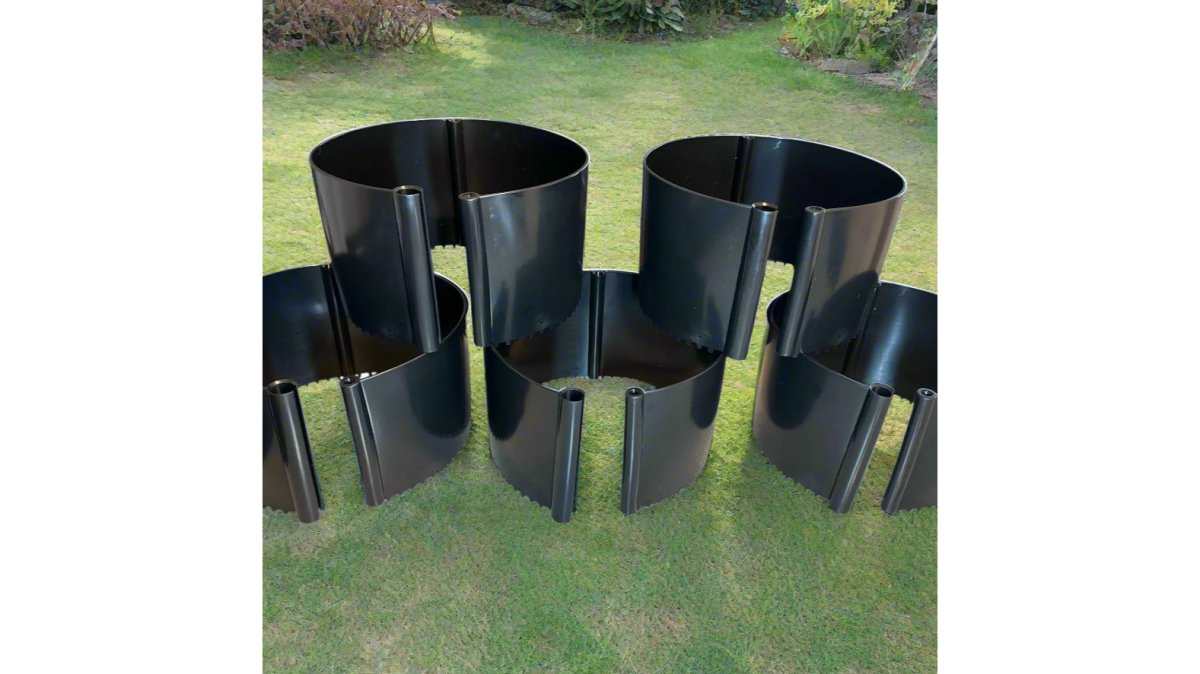
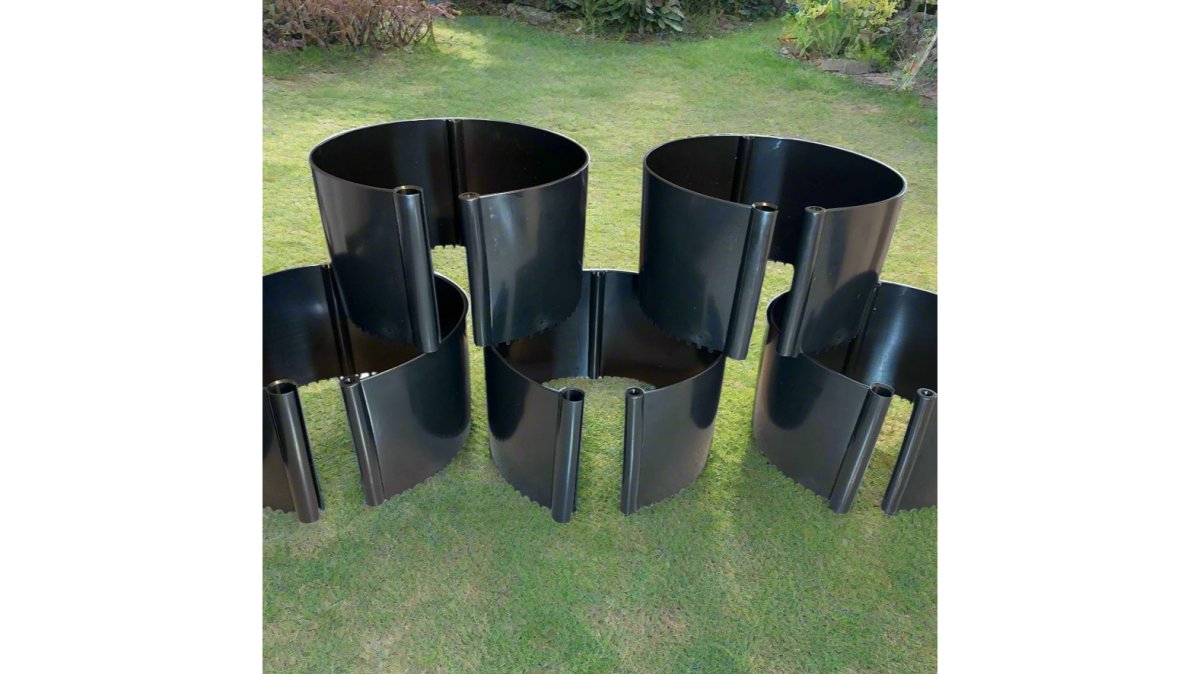
A one-piece design prevents leaks and structural failure better than assembled models. When a ring has multiple sections held together by clips or glue, those joints weaken first. A continuous, molded ring keeps its integrity because there are no weak points to fail. The locking mechanism itself, whether it's a sliding male/female system or a clip, should be inspected regularly, as these are the first areas to show fatigue.
The thickness of the plastic walls matters too. Thicker walls resist punctures and cracking. A ring that's too thin may crack when you step on it or when soil pressure builds during watering. Quality rings typically feature walls thick enough to maintain structural integrity through multiple seasons of filling, emptying, and seasonal storage.
UV-Resistant Garden Supplies and Weather Resistance
UV radiation breaks down plastic over time. Sunlight causes polymer chains to split, which leads to discoloration and brittleness. A quality watering ring includes UV stabilizers mixed into the plastic to slow this process.
Weather-resistant plastic resists more than just UV damage. Rain, temperature swings, and humidity all stress the material. Polypropylene that's formulated for outdoor use holds its properties through these cycles. Inferior plastics become brittle and crack within a few seasons.
Black plastic absorbs heat, which can soften the material in extreme sun. However, black also provides better UV protection than lighter colors. The tradeoff is worth it because the added heat doesn't degrade quality polypropylene the way it damages cheaper alternatives.
Freezing temperatures also test plastic durability. When water freezes inside or around the ring, expansion forces can crack weak plastic. Durable rings flex slightly without cracking. They remain functional even in cold climates.
Storage matters too. Leaving a ring in direct sun year-round ages it faster than storing it indoors during winter. Even durable plastic lasts longer when you give it seasonal rest.
Benefits of Root Zone Watering for Long-Term Plant Health
Concentrating water at the root zone keeps plants healthier over time. This focused watering reduces runoff and evaporation, so more water reaches plant roots. Stronger, deeper roots develop when water reaches the soil below the surface.
A watering ring that functions well for many seasons delivers consistent benefits. As plants grow deeper roots, they become more drought-tolerant. This means less frequent watering, which reduces your workload and conserves water.
The ring's durability directly affects these long-term benefits. A ring that fails after one season interrupts the root development process. A durable ring allows plants to establish deep, healthy root systems that thrive for years.
Fertilizer applied through the ring reaches roots more efficiently. Nutrients stay in the root zone instead of washing away. Over multiple seasons, this targeted nutrient delivery builds soil health and plant vigor.
Maintenance and Cleaning to Extend Lifespan
Keeping your watering ring clean helps it last longer. Dirt and algae buildup don't damage the plastic directly, but they can trap moisture and promote mold growth. A quick rinse with a hose removes debris and keeps the ring looking new. Use plain water or a soft brush for routine cleaning, avoid abrasive scrubbing that can scratch the plastic surface.
Protecting Plastic from Chemical Degradation
One of the most overlooked factors in watering-ring longevity is chemical exposure. Fertilizers, especially liquid concentrates and synthetic nitrogen products, can soften polypropylene over time if left in contact with the plastic for extended periods. Similarly, if you use the ring near areas treated with pool chemicals, herbicides, or strong cleaning agents, residue can seep into the soil and contact the ring's interior walls.
To minimize chemical stress:
- Empty the ring promptly after watering: Don't leave fertilizer solution sitting in the ring for days. The longer a chemical solution contacts the plastic, the more it can degrade the polymer. Empty and rinse within a few hours of application.
- Rinse thoroughly after fertilizer use: If you've added liquid fertilizer to the ring, rinse the interior with plain water after the plants have absorbed the nutrients. This removes residual chemical that could soften the plastic walls.
- Avoid harsh cleaners: Never use bleach, acetone, or petroleum-based solvents to clean the ring. These chemicals dissolve polypropylene. Stick to mild soap and water if algae buildup occurs.
- Keep the ring away from treated areas: If you apply herbicides, fungicides, or other garden chemicals nearby, keep the ring at a safe distance. Drift or runoff from treated soil can accelerate plastic degradation.
Check the locking mechanism regularly. If the seal loosens, water leaks out and the ring becomes less effective. A tight seal keeps the ring functioning properly. Inspect the connection points at the start of each season.
Best Garden Watering Accessories 2026: Choosing Durable Options
When choosing a watering ring, prioritize material quality and construction. Look for products made from virgin polypropylene with UV stabilizers. Avoid rings made from recycled plastic or thin-walled designs.
Safe Usage and Proper Disposal
Using your watering ring correctly extends its lifespan. Fill it with water and nutrients as needed for your plants. Never overfill beyond capacity, as this stresses the seams and locking mechanism.
Frequently Asked Questions
How long do plastic watering rings typically last outdoors?
Most plastic watering rings made from virgin polypropylene last 5-10 years with proper care, depending on climate and UV exposure. High-quality, UV-resistant options like the Garden Water Ring, manufactured from 100% virgin BPA-free polypropylene, are engineered for extended durability. Rings in harsh sun and heat may degrade faster than those in temperate zones. Regular maintenance and proper storage during off-season can significantly extend lifespan.
What factors affect how long a plastic watering ring lasts?
Key factors include material composition (virgin vs. recycled plastic), UV resistance rating, thickness of the polymer, climate conditions (heat, cold, intense sun), and maintenance practices. Polypropylene with UV stabilizers resists brittleness and material fatigue better than standard plastics. Proper cleaning, avoiding chemical exposure, and storing indoors during winter extend structural integrity. Rings installed on slopes or in high-traffic areas may experience stress cracking sooner.
How does UV exposure affect plastic watering rings?
UV radiation causes polymer chains to break down, leading to oxidation and brittleness over time. This process degrades the material's tensile strength and load-bearing capacity. UV-resistant polypropylene includes stabilizers that slow this degradation. Darker colors, like black, absorb and dissipate heat better than lighter shades. Storing rings indoors during winter months or when not in use reduces cumulative UV damage and extends the ring's functional lifespan significantly.
Can plastic watering rings be recycled when they wear out?
Yes, most plastic watering rings made from polypropylene can enter the recycling stream, though acceptance varies by local waste management programs. Check with your municipality's recycling guidelines, as polypropylene is typically marked as #5 plastic. Before recycling, clean the ring thoroughly to remove soil and organic matter. Reusable rings like the Garden Water Ring delay the need for disposal; their durability means fewer replacements over time, reducing overall plastic waste.
Choosing a durable watering ring makes your garden work easier and your plants healthier. Garden Water Ring is engineered for years of reliable service in your vegetable garden. Its one-piece design, virgin polypropylene construction, and UV-resistant material deliver consistent performance season after season. Shop Garden Water Ring today and invest in a watering solution that lasts.


Leave a comment
This site is protected by hCaptcha and the hCaptcha Privacy Policy and Terms of Service apply.