
Table of Contents
- Top 5 Root Zone Watering Techniques for Tomatoes
- 1. Garden Water Ring: A Reusable Root Zone Water Reservoir
- 2. Buried Ollas: Clay Pots That Seep Slowly
- 3. Plastic Bottle and Wine Bottle Watering
- 4. Soaker Hose for Tomatoes
- 5. Wicking Systems and Self-Watering Beds
- Deep Watering Tomatoes: Why Depth Beats Frequency
- Tomato Watering Frequency by Crop, Soil, and Weather
- Frequently Asked Questions
Last Updated: October 7, 2026
Top 5 Root Zone Watering Techniques for Tomatoes
Getting water to tomato roots instead of the surrounding soil is the single biggest upgrade most home gardeners can make. This guide from Garden Water Ring breaks down the five techniques that work best for tomatoes, ranked by how easy they are to set up and how well they hold water where it counts.

Below, you'll find setup steps, a comparison table, and the watering frequency guidance most guides skip.
How to Tell When Tomatoes Actually Need Water
Stick a finger two inches into the soil. If it feels dry at that depth, it's time to water. If it's damp, wait a day.
That's the whole test, and it beats any schedule. Tomato plants wilt in the afternoon heat even when the soil is wet, so wilting alone doesn't mean thirst.
Other signs tomatoes need water:
- The top inch of soil is dry and crumbly
- Leaves curl inward in the morning, not just at midday
- New growth looks smaller than usual
Watering on a fixed schedule is a common mistake. Soil type, weather, and plant size all change how fast water disappears.
1. Garden Water Ring: A Reusable Root Zone Water Reservoir
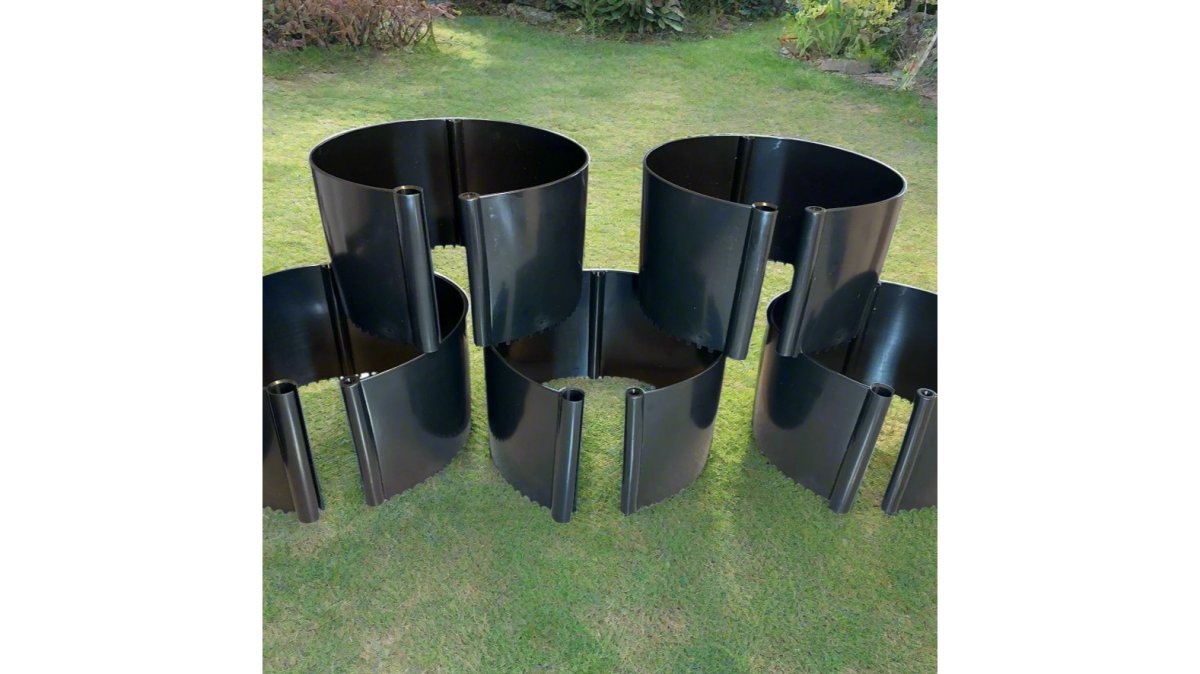
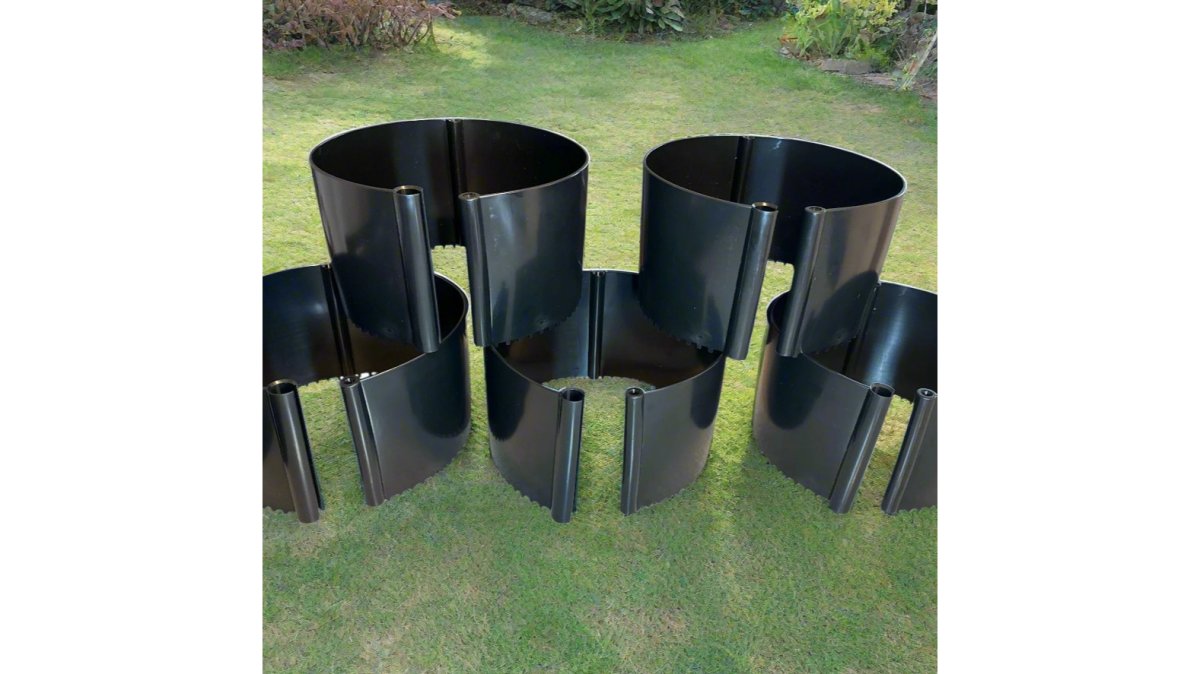
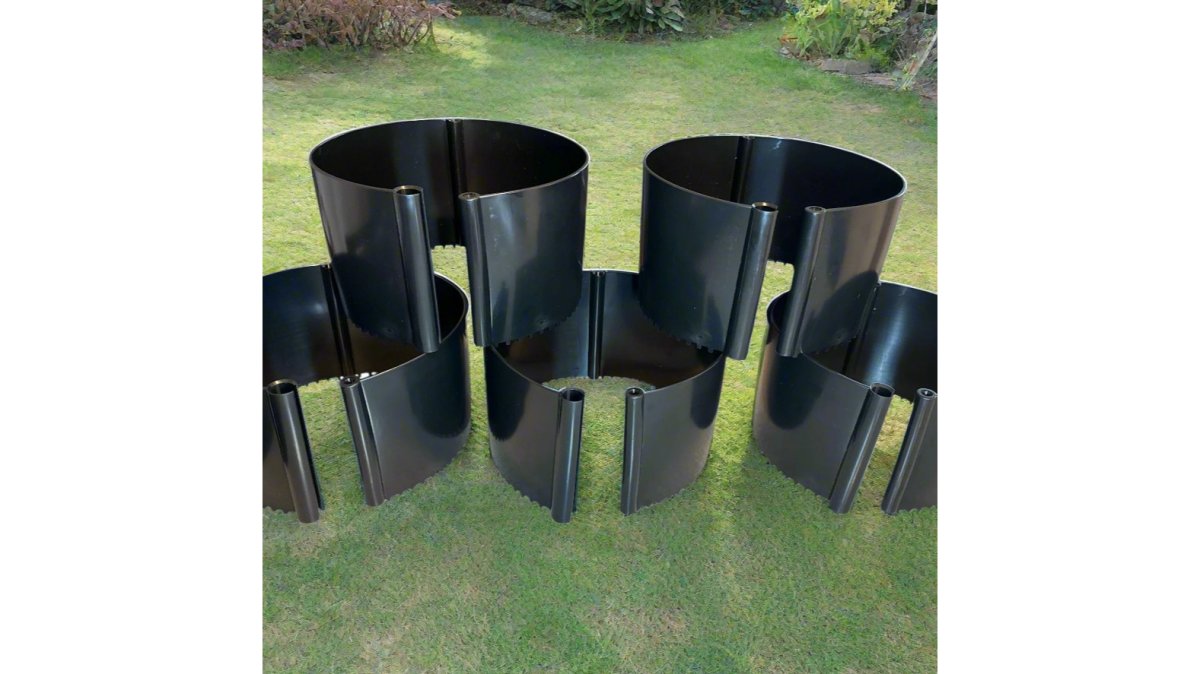
The Garden Water Ring is a patented, USA-made watering ring that holds up to 2 gallons and sends it straight to the root zone.
Setup takes about a minute and no tools. Press the ring roughly 2 inches into the soil with the teeth facing down, then fill it. Two 11-inch holding spikes keep it steady.
What it does well:
- Slows runoff on mild slopes where water usually escapes
- Cuts evaporation by keeping water below the surface
- Concentrates water and fertilizer around the root zone
It measures about 10 inches across and 6 inches high, and the black color blends into garden soil. GardenWaterRing.com orders ship directly from the manufacturer, and free shipping in the USA is included.
2. Buried Ollas: Clay Pots That Seep Slowly
An olla is an unglazed clay pot buried to its neck and filled with water. Water seeps through the clay walls into the surrounding soil as the soil dries.
Bury the pot so only the top opening shows, then cap it to keep mosquitoes out. Roots grow toward the wet clay and pull water as needed.
The trade-offs:
- Clay can crack in a hard freeze
- Filling takes longer than a hose
- You can't see how much water is left without checking
Ollas shine in raised beds and containers where you can place them close to each plant.
3. Plastic Bottle and Wine Bottle Watering
A plastic bottle or wine bottle buried neck-down works as a slow-release water reservoir. Puncture a few small holes in the cap or near the neck, fill the bottle, and push it into the soil beside the plant.
Water drips out over hours or days, depending on hole size and soil. It's the cheapest technique on this list and the easiest to try this weekend.
A few practical notes:
- Poke two or three holes, not ten. Too many and it empties in an hour
- Bury the bottle two-thirds deep, angled toward the root zone
- Refill every few days in hot weather
This method works well for watering while away on a short trip.
4. Soaker Hose for Tomatoes
A soaker hose is a porous hose that weeps water along its length at soil level.
For tomatoes, lay the hose six to eight inches from the plant base so roots spread toward it. A timer helps, but check soil moisture before trusting one.
Where soaker hoses fall short:
- They clog over time, especially with hard water
- Uneven output along long runs
- They water the whole row, including the gaps where weeds grow
Soaker hoses suit straight rows. For single plants on slopes or in beds, a targeted reservoir does a better job.
5. Wicking Systems and Self-Watering Beds
A wicking system moves water upward from a reservoir below the soil using a fabric or rope wick.
Build one by adding a water reservoir under the growing bed, then running wicks from the reservoir up into the soil.
This is the most involved setup on the list, and it's worth it for gardeners who want to water once a week instead of daily.
Deep Watering Tomatoes: Why Depth Beats Frequency
Deep watering tomatoes means soaking the soil six to eight inches down so roots grow downward instead of spreading along the surface. Shallow daily sprinkling trains roots to stay near the top, where they dry out fast and where summer heat hits hardest.
What "Deep" Actually Means in Practice
Six to eight inches is the target depth for a mature tomato root zone. You can verify it without a moisture meter:
- Water slowly until the surface stops absorbing quickly.
- Wait 30 minutes.
- Push a wooden dowel or bamboo stake six inches into the soil near the plant.
- Pull it out. If the lower half is dark and damp, you reached the root zone. If it comes out dry, water again, slowly.
A hose blast that puddles and runs off does not count as deep watering. Water that runs off the surface never reaches six inches down. That is the core problem root zone methods solve: they meter water out slowly enough that the soil can absorb it instead of shedding it.
Why Roots Follow Water Downward
Tomato roots grow toward moisture. When the top inch stays damp from daily light watering, the plant has no reason to push roots deeper, and the root system stays shallow and vulnerable.
Aim for a slow, thorough soak two or three times a week instead of a light daily splash. The University of Minnesota Extension guide to watering vegetables notes that most vegetable gardens need about an inch of water per week from rain and irrigation combined.
Common Deep-Watering Failures and Fixes
| Problem | What's happening | Fix |
|---|---|---|
| Water puddles and runs off | Surface sealed or slope too steep | Water in two passes with a pause between; use a slow-release reservoir |
| Soil dry two inches down after watering | Not enough volume, or applied too fast | Water longer and slower; check with a dowel |
| Soil soggy days later | Clay soil, cool weather, overwatering | Skip the next cycle; check before watering |
| Roots concentrated at surface | Habitual light watering | Switch to fewer, deeper soaks |
| Uneven moisture across a bed | Single-point watering | Use a method that spreads water around the root zone |
How Root Zone Methods Make Deep Watering Easier
A reservoir that releases water over hours soaks deeper than a hose blast that runs off. The Garden Water Ring holds up to 2 gallons and meters it into the soil around the plant's root zone, which concentrates water and fertilizer where roots can reach it, helps reduce runoff and evaporation, and promotes deeper root development. It works on mild slopes where surface water would otherwise escape, and it reduces unnecessary watering between plants so nearby weeds get less.
Mulch on top of any of these methods cuts evaporation further and keeps soil temperature steadier, which matters most in the heat of midsummer.
Tomato Watering Frequency by Crop, Soil, and Weather
Most guides tell you to water tomatoes "deeply and regularly" and stop there. Frequency is not a schedule, it is a calculation. Three variables drive it: how fast your soil drains, what the weather is doing, and what stage the plant is in.
Start With the One-Inch Rule, Then Adjust
University extension programs, including the University of Minnesota Extension guide to watering vegetables, commonly recommend about one inch of water per week for vegetable gardens, from rain and irrigation combined. For tomatoes, that one inch should arrive in two or three slow soaks rather than seven light splashes. One inch over a single square foot is roughly 0.6 gallons, so a tomato plant in open ground is typically taking in about a gallon to a gallon and a half per week in mild weather.
That is a starting point, not a rule. Adjust from there:
- Sandy soil drains fast and holds little. Split the weekly total into three or four smaller soaks so water does not run past the root zone.
- Loam soil is the easiest to manage. Two deep soaks a week usually cover it.
- Clay soil holds water and drains slowly. Water less often but soak thoroughly, and check two inches down before adding more.
Weather Adjustments That Actually Matter
Heat, wind, and humidity change water loss more than most gardeners expect.
| Condition | Adjustment |
|---|---|
| 90°F+ and sunny | Add one extra deep soak per week; check containers daily |
| Steady wind | Expect faster surface drying; mulch heavily |
| Cool and cloudy | Cut back; soil stays damp longer than it looks |
| Rainy week | Skip irrigation; verify with a finger test before resuming |
| Drought stretch | Prioritize deep soaks over frequency; roots follow moisture down |
Plant Stage Changes the Math
- Seedlings and transplants: small root systems, shallow water needs. Keep the top few inches consistently moist without soaking the whole bed.
- Actively growing plants: water demand climbs as foliage expands. This is when deep, less frequent soaks build the root system.
- Flowering and fruiting: steady moisture matters most here. Big swings between bone-dry and soaked soil are linked to blossom-end rot and cracked fruit.
Best Time of Day
Early morning is the standard recommendation. Soil is cool, wind is usually low, and any foliage that gets splashed dries before evening. Evening watering leaves leaves wet overnight, which favors disease. Midday watering loses more to evaporation, though it is still better than letting a wilting plant stay dry.
A Simple Weekly Check
Once a week, push a wooden dowel or bamboo stake six inches into the soil near the plant, pull it out, and look at it. Dark and damp means hold off. Dry and clean means water deeply. This reads the root zone better than a surface check and takes ten seconds.
Root zone methods make this easier to manage. A reservoir that releases water over hours soaks deeper than a hose blast that runs off, and it keeps the moisture band consistent instead of swinging between wet and dry.
Frequently Asked Questions
How much water do tomato plants need?
Most tomato plants need about 1 to 2 inches of water per week, including rainfall. In sandy soil, that water drains faster, so you may need to water more often in smaller amounts or use a root zone watering method that holds moisture in place. In clay soil, water moves slowly, so check soil moisture before adding more. A slow, deep soak that reaches 6 to 8 inches down encourages roots to grow deeper and helps plants handle dry spells.
Should tomato plants be watered every day?
Daily watering is usually too much for tomatoes in the ground. Tomato watering frequency should follow soil moisture, not a fixed schedule. Push a finger 2 inches into the soil near the plant base; if it feels dry, water deeply. In hot weather, container tomatoes may need daily attention, while in-ground plants often do well with two or three deep waterings per week. Deep watering tomatoes less often builds stronger root systems than light daily sprinkles.
How can I water tomatoes deeply without wetting the leaves?
Apply water at the soil level, not overhead. Root zone watering techniques like Garden Water Ring, ollas, soaker hose for tomatoes, or buried bottles deliver moisture straight to the root zone and keep foliage dry. Wet leaves invite fungal problems, especially in humid weather. Water in the early morning so any splashed foliage dries quickly, and aim the flow at the plant base rather than the canopy.
What is the best time of day to water tomatoes?
Early morning is the best time to water tomatoes. Soil is cool, evaporation is lower, and plants have all day to take up moisture before evening. Midday watering loses more water to evaporation in hot weather, and evening watering leaves foliage and soil surface wet overnight, which favors disease. If morning is not possible, late afternoon works, but avoid soaking the leaves right before dark.

Leave a comment
This site is protected by hCaptcha and the hCaptcha Privacy Policy and Terms of Service apply.