
Table of Contents
- What Root Zone Watering Systems Do
- Water Efficiency and Conservation
- How to Prevent Garden Water Evaporation
- Promoting Deeper Root Development Through Deep Root Watering Techniques
- Reducing Runoff and Protecting Soil Health
- Installation and Setup for Home Gardeners
- Why Root Zone Watering Systems Work on Sloped Terrain
- Frequently Asked Questions
Last Updated: September 21, 2026
What Root Zone Watering Systems Do
Root zone watering systems deliver water directly to the soil surrounding a plant's roots, rather than spraying across the entire garden surface. These systems concentrate moisture and nutrients exactly where plants need them most, beneath the soil line. A root zone watering system works by creating a controlled water reservoir that allows gradual percolation into the root zone, reducing the water that evaporates or runs off before reaching plant roots.
The core principle is simple: plants absorb water through their root systems, not their leaves. By placing water where roots live, you eliminate waste and improve efficiency. This targeted approach means less frequent watering, less water overall, and healthier plants that develop stronger, deeper root systems over time.
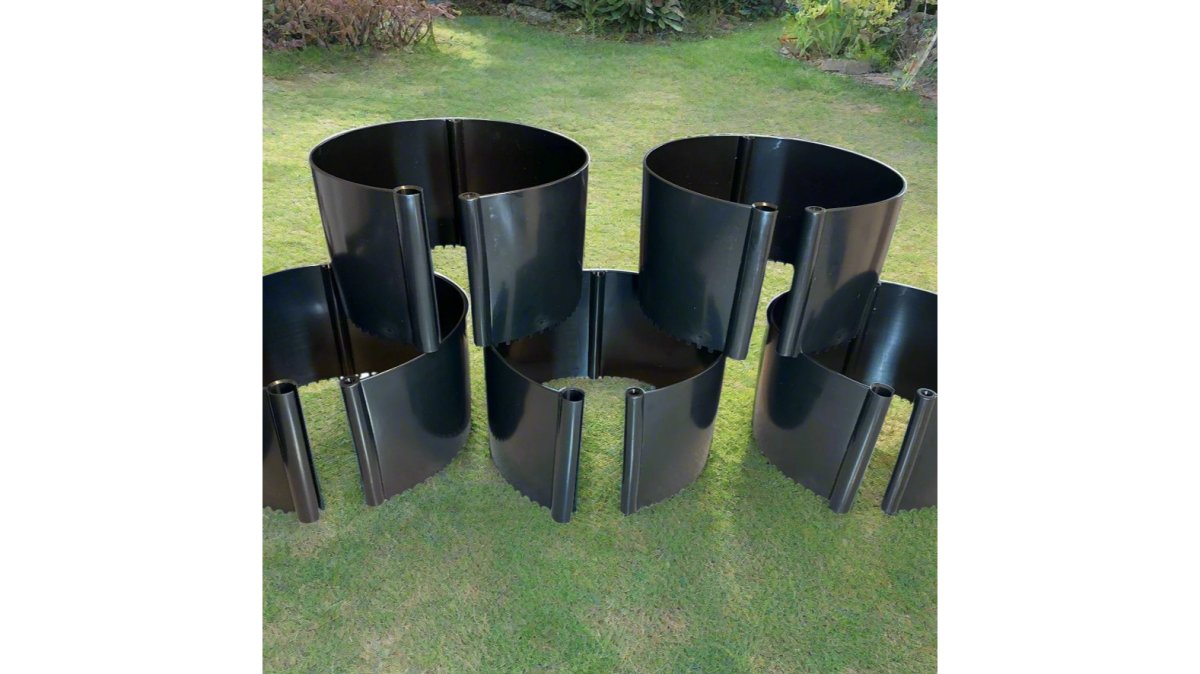
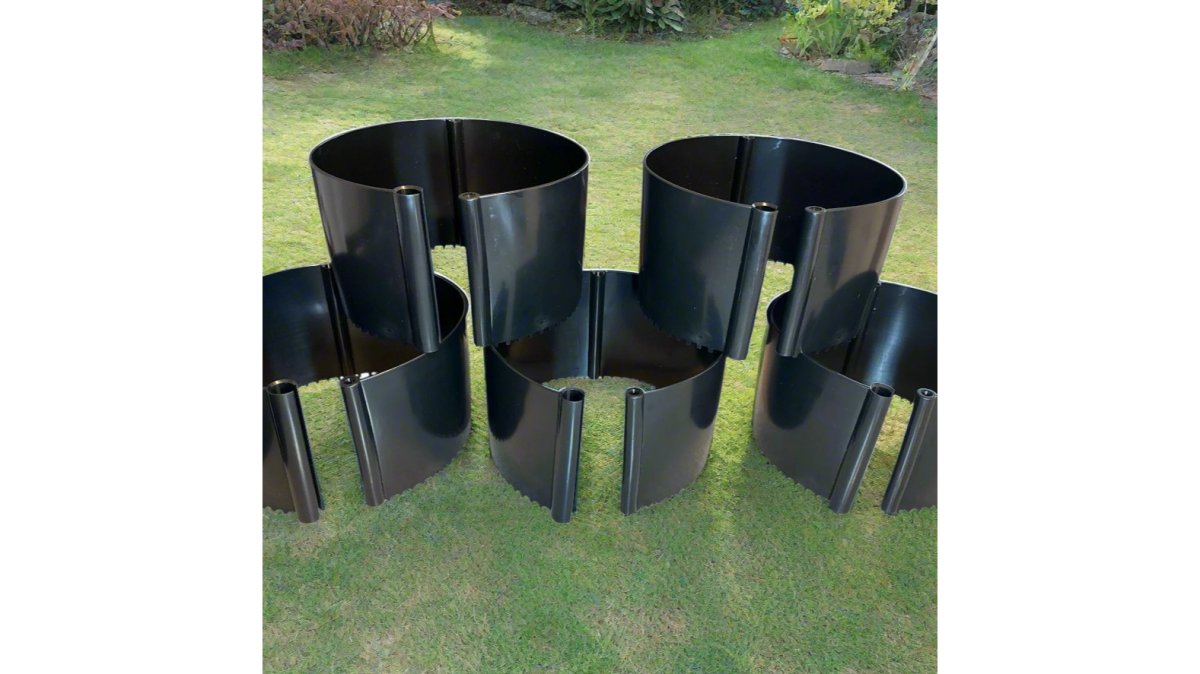
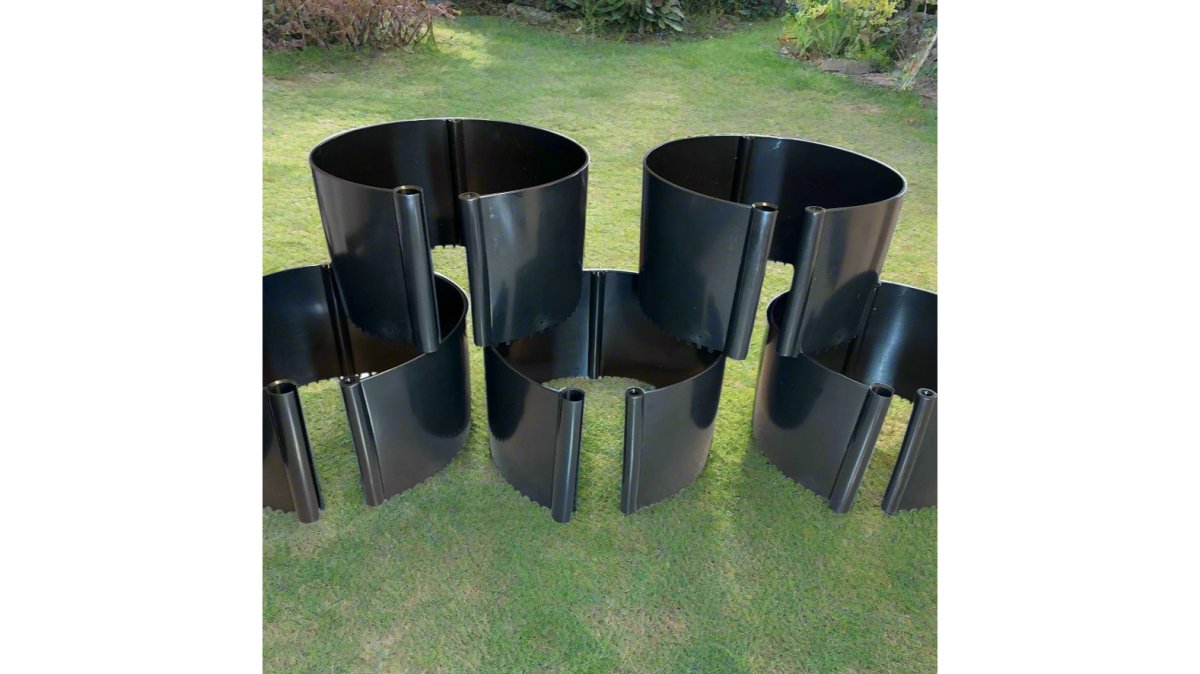
Garden Water Ring is one example of this approach. It's a patented, reusable root zone watering system manufactured in the USA from weather-resistant polypropylene. The system holds up to 2 gallons of water and includes two 11-inch holding spikes that anchor it into the soil. It opens and closes with a sliding male/female locking system, making it easy to refill and relocate. At approximately 10 inches in diameter and 6 inches high, it concentrates water and fertilizer around a single plant's root zone, helping reduce runoff and evaporation while promoting deeper root development.

Water Efficiency and Conservation
Root zone watering systems reduce water waste by preventing water from traveling where it isn't needed. The efficiency gain varies significantly depending on your soil type and climate.
How Root Zone Systems Reduce Water Waste
Traditional surface watering loses significant water to evaporation and runoff before reaching roots. Root zone watering systems minimize both losses by placing water below the surface where evaporation rates drop dramatically.
According to research from the EPA's WaterSense program, landscape irrigation accounts for nearly 30% of residential water use. Switching to more efficient watering methods is one of the highest-impact conservation steps a homeowner can take. Root zone systems reduce that consumption by ensuring water reaches plants rather than evaporating or running off.
Soil Type and Water Efficiency
Water savings depend on your soil composition:
- Sandy soil drains quickly. A root zone system reduces evaporation compared to surface watering, but you'll refill more frequently. Over a season, you still use less total water than surface watering because you're not watering the entire bed.
- Loamy soil (balanced sand, silt, and clay) offers the best efficiency. Water percolates steadily and stays available longer, requiring less frequent refills and minimal evaporation.
- Clay soil holds water longer, so you refill less frequently, sometimes only once per week. Be careful not to overwater, or roots may sit in waterlogged soil. When managed correctly, clay soil with root zone watering delivers exceptional water efficiency.
Seasonal and Climate Variations
Water efficiency shifts with climate and season. In arid or hot climates, root zone watering cuts evaporation dramatically because subsurface water stays cooler and protected. In humid climates, runoff prevention becomes more valuable. In spring and fall, cooler temperatures reduce refill frequency. In peak summer, you may refill every 1-2 days, but you're still using less total water than a sprinkler system.
Practical Water Savings
A home gardener watering tomatoes, peppers, and squash with conventional methods might water daily or every other day during peak heat. The same plants watered through a root zone system often need watering only twice weekly or less. Combine root zone watering with a 2-3 inch mulch layer to reduce surface evaporation further and create the most efficient system possible.
How to Prevent Garden Water Evaporation
Evaporation is one of the largest sources of water loss in home gardens. Understanding where and how it occurs helps you design a watering strategy that minimizes it.
Surface water loses moisture fastest. Water sitting in the top inch of soil evaporates before roots can absorb it. Root zone watering systems reduce evaporation by placing water below the surface where it stays cooler and protected. Combining root zone watering with a 2-3 inch mulch layer creates the most efficient system. Watering early morning or late evening reduces evaporation, though root zone systems work well with any timing.
Promoting Deeper Root Development Through Deep Root Watering Techniques
Shallow watering creates shallow roots vulnerable to drought stress and soil compaction. Deep root watering techniques encourage roots to grow deeper, accessing moisture and nutrients farther down. Deeper roots tolerate drought better, grow stronger, and access more stable soil temperatures. Tomatoes, peppers, squash, and cucumbers respond strongly because they benefit from access to deeper soil nutrients.
Reducing Runoff and Protecting Soil Health
Runoff carries soil particles, nutrients, and sediment downhill, eroding topsoil and wasting water. Root zone watering systems reduce runoff by concentrating water in one spot where it percolates into the soil. This protects soil structure and preserves soil integrity year after year. Nutrient retention improves because soluble nutrients stay in the soil where roots can absorb them, rather than running off.
Installation and Setup for Home Gardeners
Installing a root zone watering system is straightforward and requires no special tools or expertise. However, success depends on understanding your soil type and adjusting your refill schedule accordingly.
Choosing Your Location
Start by choosing a location around your plant. For a tomato, pepper, or squash plant, position the system 2-4 inches away from the main stem, not directly touching it. The system should sit on level or nearly level ground; if the spot is sloped, dig a shallow depression to level it. Avoid placing it directly under tree canopy where rainfall may be blocked, and keep it away from hardscape edges where water might pool or run off.
Anchoring the System
Insert the two holding spikes into the soil at the angles indicated on the system, angling them slightly outward. Push them down until the system sits approximately 2 inches into the soil, with the teeth facing downward. The system should be stable and not rock when you press on it. If the soil is very hard or compacted, water the area lightly first to soften it, making insertion easier.
Filling and Initial Watering
Fill the reservoir with water. Open the sliding male/female locking mechanism and pour water into the chamber. For newly planted seedlings, fill it halfway. For established plants, fill it to capacity. Close the lock securely so water doesn't leak out.
Understanding Soil Type and Drainage
The water will gradually percolate through the soil into the root zone. How fast this happens depends heavily on your soil type:
- Sandy soil drains quickly, water may percolate in 2-4 hours. You may need to refill every 1-2 days during hot weather. Sandy soil is forgiving; if you overfill, excess water drains away rather than pooling.
- Loamy soil (a balanced mix of sand, silt, and clay) drains moderately, water typically percolates in 4-8 hours. This is ideal for root zone systems. Refill every 2-3 days during peak growth.
- Clay soil drains slowly, water may take 12-24 hours to fully percolate. Clay holds moisture longer, so you may refill only every 3-5 days. However, if you overfill clay soil, water may pool around the system rather than soaking in; in this case, reduce your fill level by half.
To determine your soil type, dig a small hole 6 inches deep near your planting area and observe the soil texture. Sandy soil feels gritty; clay soil feels sticky and holds its shape when squeezed; loamy soil crumbles easily. If you're unsure, your local cooperative extension office can test your soil for free or at low cost.
Refill Frequency and Seasonal Adjustments
In hot weather or during peak plant growth (flowering and fruit set), you may refill every 2-3 days. In cool weather, mild rain, or after heavy rainfall, refilling may not be necessary for a week or more.
Troubleshooting Common Issues
- Water not draining from the system: This usually means the soil below is saturated or the drainage holes are blocked. Empty the system, wait 24 hours, and try again. If the problem persists, the location may have poor drainage; consider moving the system to higher ground.
- System tipping or sinking unevenly: The soil beneath is too soft or uneven. Re-anchor the spikes more firmly, or dig out the depression and pack the soil more firmly before reinstalling.
- Water leaking from the locking mechanism: Ensure the sliding lock is fully closed. If it still leaks, the seal may need cleaning; rinse the lock mechanism with clean water and dry it before closing.
- Plant wilting despite a full system: The system may be too far from the plant's root zone, or roots haven't yet grown deep enough to reach the water. Move the system closer (but not touching the stem), or wait 2-3 weeks for roots to develop deeper.
Seasonal Storage and Reuse
Why Root Zone Watering Systems Work on Sloped Terrain
Sloped gardens present a watering challenge. Water naturally flows downhill, making it difficult to keep moisture in the root zone of plants on slopes. Traditional sprinklers or soaker hoses lose much of their water to runoff on slopes.
Frequently Asked Questions
What is a root zone watering system and how does it work?
A root zone watering system concentrates water directly where plant roots need it most, rather than spraying across the entire garden. It holds water in a contained area around the base of the plant, allowing gradual soil penetration and nutrient absorption. This targeted approach reduces water waste, prevents runoff on uneven ground, and encourages roots to grow deeper into the soil for stronger plant development.
How much water can I actually save using deep root watering techniques?
Deep root watering techniques reduce water loss through evaporation and runoff by directing moisture straight to the root zone instead of allowing it to spread across the surface. By concentrating water where plants use it, you water less frequently while keeping plants better hydrated. The exact savings depends on your climate, soil type, and garden layout, but most home gardeners find they need fewer watering sessions per week.
Will a root zone watering system work on my sloped or uneven garden bed?
Yes. Root zone watering systems work on mild slopes because they contain water in a localized area around each plant rather than relying on surface distribution. The concentrated water penetrates the soil and reaches roots even on angled ground, preventing the runoff problem you get with overhead watering or sprinklers. This makes them especially useful for vegetable gardens built on uneven terrain.
Can root zone watering systems help reduce weed growth in my garden?
Root zone watering systems help reduce unnecessary weed growth by delivering water only to your plants' root zones, not to the surrounding soil where weed seeds germinate. Since weeds thrive in moist surface soil, concentrating water deeper around your vegetables means fewer weeds compete for space and nutrients in your garden beds.

Leave a comment
This site is protected by hCaptcha and the hCaptcha Privacy Policy and Terms of Service apply.