
Table of Contents
- Why Watering Tomato Plants Correctly Matters
- How Much Water Do Tomato Plants Need Per Week
- Best Time of Day to Water Tomatoes
- Deep Watering and Root Development
- Signs of Overwatered Tomato Plants and How to Fix Them
- Drip Irrigation for Tomatoes: A Beginner-Friendly Approach
- Container vs. In-Ground Watering Differences
- Practical Tools and Techniques to Simplify Watering
- Frequently Asked Questions
Last Updated: September 19, 2026
Why Watering Tomato Plants Correctly Matters
Getting watering right separates thriving tomato gardens from struggling ones. Most beginners either drown their plants or leave them parched.
Consistent moisture develops strong roots and encourages deep root development, making plants more resilient during dry spells and heat waves.
The stakes matter here. Poor watering leads to common problems:
- Blossom end rot (dark spots on fruit)
- Wilting and stress
- Fungal disease from wet foliage
- Weak root systems that can't support heavy fruit
Plants that receive water directly at the root zone consistently outperform those watered haphazardly, showing up in yield, fruit quality, and plant health.
How Much Water Do Tomato Plants Need Per Week
Tomato plants need roughly 1 to 2 inches of water per week, but this baseline shifts significantly based on your climate, soil type, and whether plants are in containers or in-ground beds. Understanding these variables transforms you from following a generic rule to watering intelligently.
This baseline represents total water (rainfall plus irrigation) needed to keep soil consistently moist 6-8 inches deep. If your region receives 0.5 inches of rain, add 0.5-1.5 inches from watering. If it rains 1.5 inches, skip watering.
Adjusting for your climate and region:
Hot, arid climates (Southwest, Great Plains, parts of California)
- Baseline: 1.5-2 inches per week; increase to 2-2.5 inches during temperatures above 90°F, split into two waterings
- Sandy soil: Water more frequently but deeply. Clay soil: Water less often but more deeply
- Hard water (high mineral content) can cause mineral buildup; consider collecting rainwater occasionally
Humid climates (Southeast, Midwest, Northeast, Pacific Northwest)
- Baseline: 1-1.5 inches per week; skip watering during rainy weeks, increase to 1.5-2 inches during dry spells
- Improve drainage with compost or mulch to prevent waterlogging
- Water at soil level only to prevent fungal disease
Practical approach to calculating your weekly water:
- Measure rainfall: Place a straight-sided container (like a tuna can) in your garden. After rain, measure the depth. This is your rainfall for the week
- Calculate irrigation needed: If you need 1.5 inches total and received 0.5 inches of rain, water 1 inch (1.5 − 0.5 = 1)
-
Adjust for soil type:
- Sandy soil: Water 1 inch twice per week (two shallow applications) rather than 2 inches once
- Clay soil: Water 2 inches once per week; it holds moisture longer
- Loamy soil (ideal): Water 1.5 inches once per week
-
Adjust for container vs. in-ground:
- Containers: Daily checks needed; water when top inch feels dry (often daily in heat)
- In-ground: Check soil 3 inches deep; water when it feels slightly moist but not wet
If tap water is heavily chlorinated, let it sit 24 hours before using. Hard water can contribute to mineral buildup; in arid regions, add sulfur or chelated micronutrients annually.
Tomato plants prefer steady moisture over feast-or-famine cycles. Irregular watering causes stress and fruit problems like blossom end rot and cracking. A moisture meter ($12-20) removes guesswork, water when soil reads 40-60% moisture.
Avoid watering daily in small amounts. Shallow watering encourages shallow root systems that dry out quickly. Water deeply and less frequently to train roots deeper into stable moisture.
Best Time of Day to Water Tomatoes
Water tomatoes in early morning (6-8 a.m.) so foliage dries quickly, preventing fungal disease. Cooler temperatures maximize absorption and minimize evaporation.
Avoid evening or night watering, wet foliage overnight creates ideal conditions for fungal disease. Midday watering is inefficient due to rapid evaporation. If watering outside the morning window, water in late afternoon (at least 3-4 hours before sunset), ensuring water reaches soil only.
Deep Watering and Root Development
Deep watering trains roots to grow deeper into the soil, creating stronger plants that handle drought better. Water applied to the surface gradually moves down, forcing roots to grow deeper to access it.
Apply water slowly at the base until soil is moist 6-8 inches deep. Repeat once or twice per week rather than daily.
A 2-3 inch mulch layer (2 inches from stem) reduces evaporation and maintains root-zone moisture. Soil should be moist, not soggy, waterlogged soil causes root rot. If water pools or runs off, fix drainage before proceeding.
Signs of Overwatered Tomato Plants and How to Fix Them
Overwatering is more common than underwatering among beginners. Diagnosing it requires distinguishing it from other stress causes.
Key overwatering symptoms and how to confirm them:
Yellowing leaves (lower foliage first): If leaves feel soft and mushy and soil smells sour, stop watering immediately and check soil 3 inches deep for sogginess.
Wilting despite wet soil
- Why this happens: Waterlogged soil excludes oxygen, suffocating roots. Roots cannot absorb water even though it surrounds them
- Confirmation: Gently pull plant, roots are black or gray instead of white/tan; they smell like decay
- Action: This is root rot. Reduce watering frequency to 1-2 times per week. Improve drainage by adding 2-3 inches of compost to the planting area. If in a container, repot into fresh soil immediately
Fungal disease (early blight, powdery mildew, septoria leaf spot)
- Why overwatering causes it: Wet foliage at night creates ideal conditions for fungal spores to germinate
- Confirmation: Brown or tan spots with concentric rings (early blight); white powder coating (powdery mildew); small circular spots with dark borders (septoria)
- Action: Remove affected leaves immediately. Water only at soil level, never on foliage. Ensure 2-3 feet of air space between plants for circulation. In humid climates (Southeast, Midwest), this is especially critical, consider drip irrigation instead of overhead watering
Blossom end rot (dark, sunken spots on fruit bottom)
- Common misconception: This is caused by overwatering. Actually, it's caused by inconsistent watering, alternating wet and dry soil disrupts calcium uptake
- Confirmation: Spots appear on fruit already on the plant; they don't spread or show fungal growth
- Action: Maintain steady moisture (not soggy). Mulch heavily to buffer soil moisture. This problem is more severe in hot, arid climates where soil dries rapidly between waterings
Regional and seasonal context: Overwatering severity depends on your climate.
Immediate recovery steps:
- Stop watering for 3-5 days
- Check soil moisture 3 inches deep before watering again
- Ensure containers have drainage holes; elevate pots on feet if needed
- Prune lower foliage (bottom 6-8 inches) to improve air circulation and reduce disease spread
- In humid climates, space plants farther apart or thin canopy foliage
Longer-term fixes:
- Switch to deep watering 1-2 times per week instead of daily light watering
- Add 2-3 inches of mulch (straw or wood chips) to regulate moisture and reduce evaporation
- Amend heavy clay soil with 3-4 inches of compost worked into the top 8 inches
- Use a soil moisture meter ($12-20) to remove guessing, water when soil reads 40-60% moisture
- Install drip irrigation to deliver water to roots only, eliminating wet foliage
Drip Irrigation for Tomatoes: A Beginner-Friendly Approach
Drip irrigation delivers water directly to the root zone with minimal waste. For beginners, it eliminates the guesswork of hand watering and reduces disease risk.
How drip irrigation helps:
- Water reaches roots, not foliage (preventing fungal disease)
- Consistent moisture throughout the week
- Less water lost to evaporation
- Easy to automate with a timer
Simple setup:
- Lay drip line or soaker hose at the base of plants
- Connect to a faucet or timer
- Bury under mulch to hide it and reduce evaporation
- Run for 30-45 minutes, 1-2 times per week
Container vs. In-Ground Watering Differences
Container tomatoes and in-ground tomatoes have different watering needs. Containers dry out faster because soil volume is limited and heat exposure is greater on all sides.
Container tomatoes need:
- More frequent watering (often daily in hot weather)
- Shallower but more consistent moisture
- Better drainage (containers must have holes)
- Potting mix, not garden soil (garden soil compacts in pots)
In-ground tomatoes need:
- Deeper, less frequent watering
- Strong root development into native soil
- Better moisture retention from surrounding earth
- Amendment with compost if soil is poor
Practical Tools and Techniques to Simplify Watering
The right tools make watering easier and more effective. You don't need much, but a few key items help.
Essential tools:
- Watering can or hose wand: Allows you to direct water at the base without splashing foliage
- Moisture meter: Removes guesswork about when to water (costs $10-20)
- Soaker hose or drip line: Delivers water efficiently to the root zone
- Mulch: Regulates soil moisture naturally
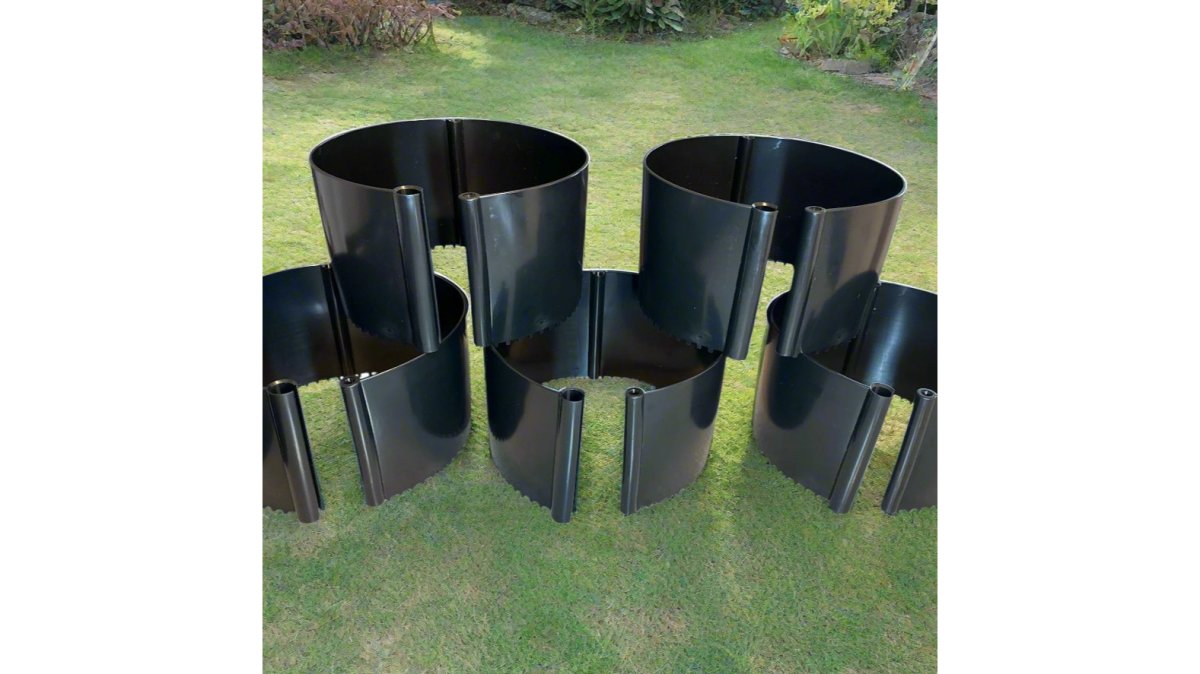
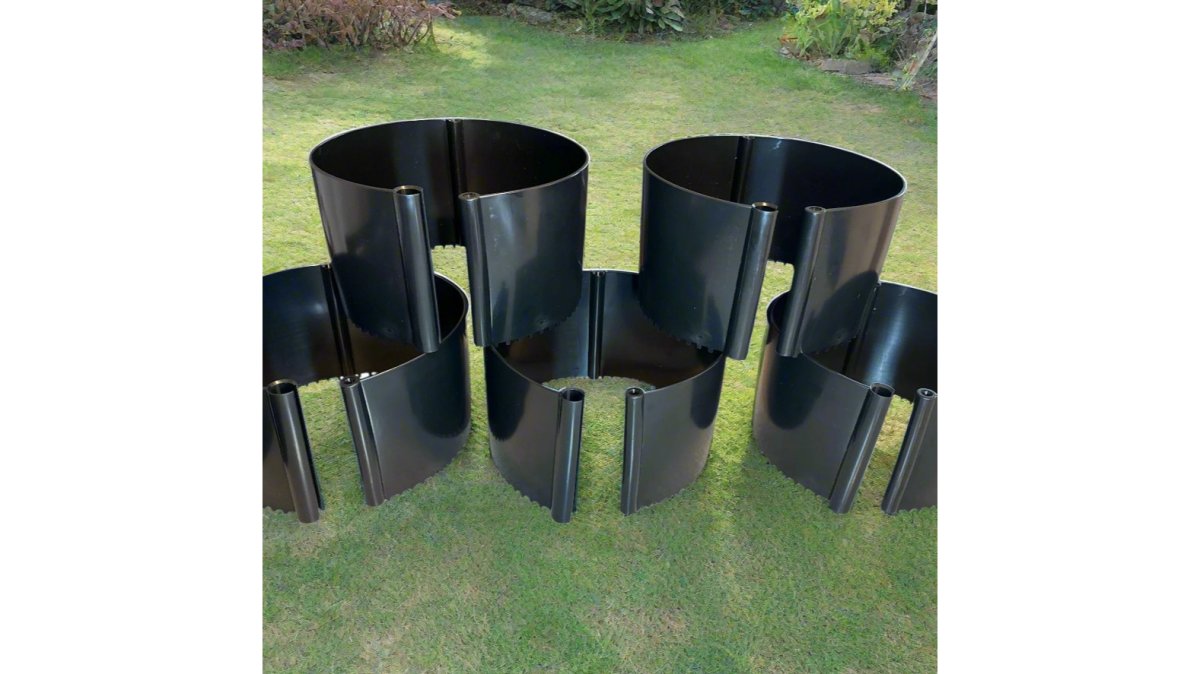
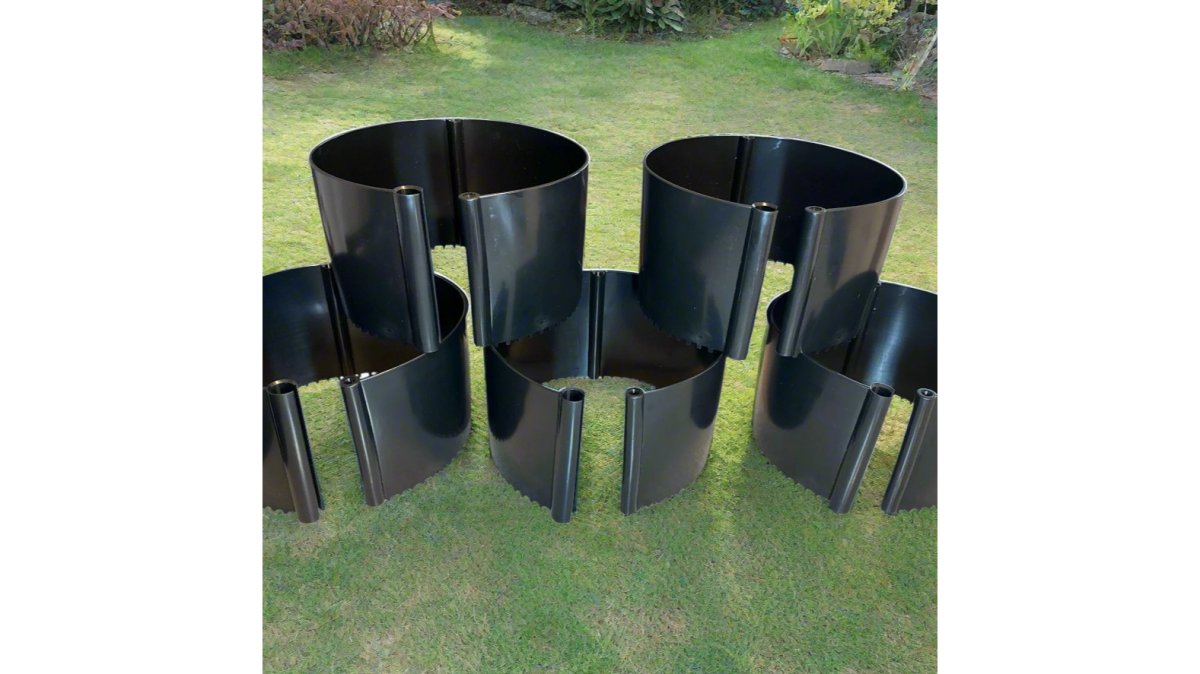
- Watering ring: Centralizes water delivery and prevents runoff on sloped terrain
Simple watering routine:
- Water early morning, 1-2 times per week
- Water deeply at the base (not the foliage)
- Check soil moisture before watering
- Adjust frequency based on weather and soil type
Frequently Asked Questions
How often should you water tomato plants for beginners?
Water tomato plants deeply once or twice per week, depending on rainfall, soil type, and temperature. In hot weather, you may need to water more frequently. The key is keeping the soil consistently moist but not waterlogged. Check soil moisture 2-3 inches below the surface; if it feels dry, water thoroughly. Mulching helps retain moisture and reduces watering frequency.
What are the signs of overwatered tomato plants?
Overwatered tomato plants show yellowing leaves, soft or mushy stems, and root rot. Leaves may wilt despite moist soil, and you might notice fungal diseases like early blight or septoria leaf spot. Fruit may develop blossom end rot or crack. If you see these signs, reduce watering frequency and ensure soil drains well. Remove affected leaves and improve air circulation around the plant.
Does the time of day matter when watering tomatoes?
Yes. Water tomatoes early in the morning, ideally before 9 a.m., to allow foliage to dry and reduce fungal disease risk. Morning watering also gives roots access to moisture during the heat of the day. Avoid watering in the evening, as wet foliage overnight promotes disease. Never water during the hottest part of the afternoon, as much water will evaporate before reaching the root zone.
How much water does a tomato plant need per day?
A mature tomato plant typically needs 1 to 2 gallons of water per week, which breaks down to about 0.2 to 0.3 gallons per day in dry conditions. However, this varies based on soil type, climate, and growth stage. Young seedlings need less; established plants in hot weather need more. Rather than a daily schedule, water when the top 2-3 inches of soil feel dry. Consistent, deep watering beats frequent shallow watering.

Leave a comment
This site is protected by hCaptcha and the hCaptcha Privacy Policy and Terms of Service apply.