
Table of Contents
- What Root Watering Rings Do and Why They Matter
- What You'll Need Before Installing Root Watering Rings
- Step-by-Step Installation Guide for Root Watering Rings
- Spacing and Layout Requirements for Maximum Effectiveness
- Deep Root Watering Techniques for Healthier Plants
- Best Garden Watering Accessories 2026: Root Rings vs. Drip Systems
- Drip Irrigation for Trees and Root Watering Rings: Key Differences
- Maintaining and Winterizing Your Root Watering Rings
- Frequently Asked Questions
Last Updated: September 19, 2026
What Root Watering Rings Do and Why They Matter
Root watering rings deliver water directly to the root zone of your plants, eliminating runoff and evaporation that waste water on sloped or uneven ground. Unlike traditional overhead watering, these rings concentrate moisture exactly where your plants need it most. The result is deeper root development, healthier plants, and significantly less time spent watering.
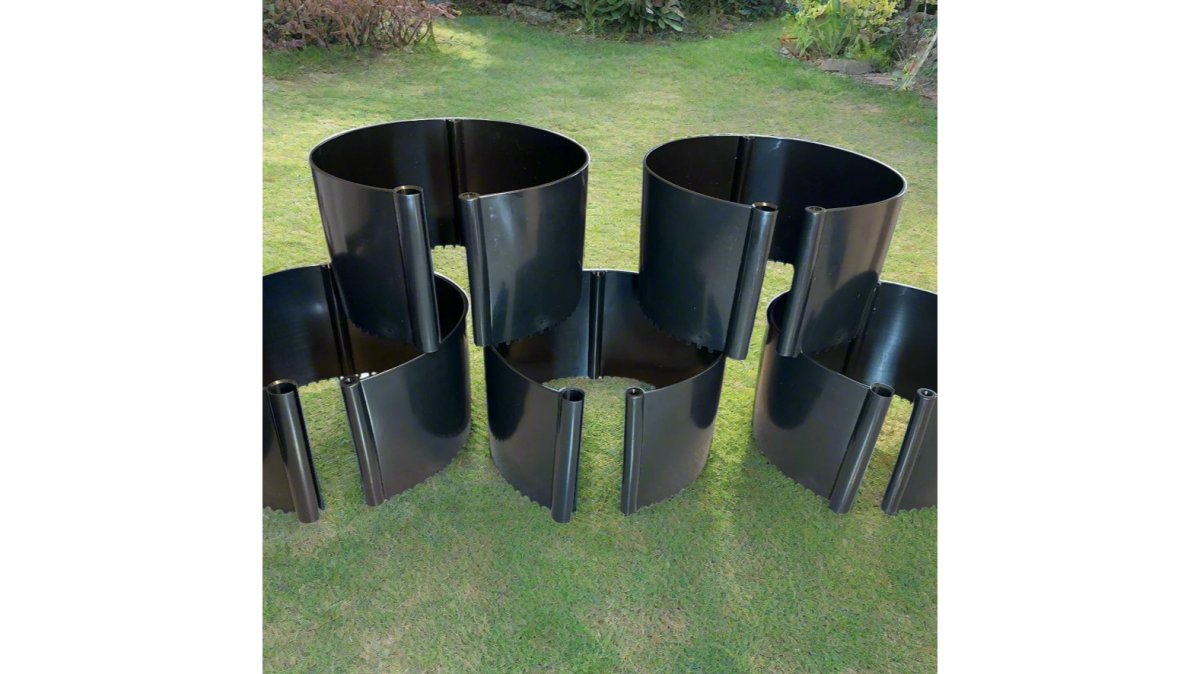
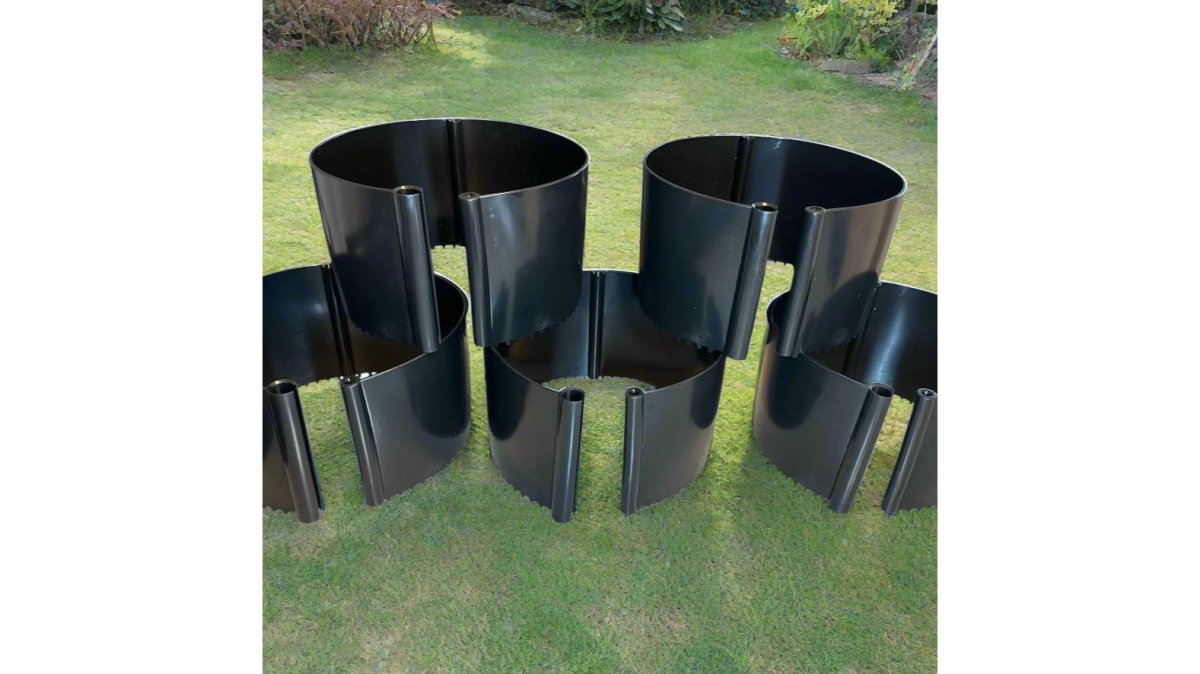
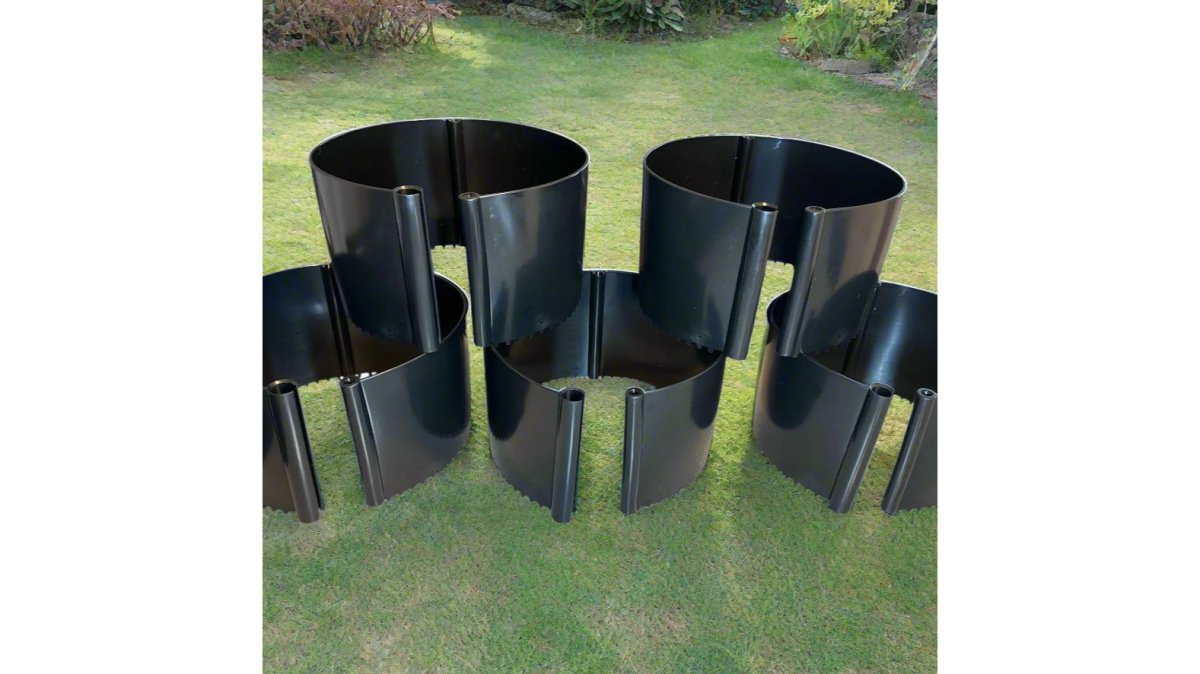
A root watering ring is a circular basin that holds water long enough for soil to absorb it fully, working especially well for tomatoes, peppers, and squash.
Root watering rings prevent runoff and water waste by keeping moisture contained and forcing deeper soil penetration, delivering immediate improvements in plant vigor and yield.
What You'll Need Before Installing Root Watering Rings
Gather these essentials:
- The watering ring itself, a durable, weather-resistant basin
- Two holding spikes, to anchor the basin
- A shovel or spade, for clearing and leveling soil
- A measuring tape, for proper spacing
- Water source nearby, a hose or watering can
- Gloves, for hand protection
- Soil amendment materials (optional), such as compost or aged bark
The Garden Water Ring comes ready to use with holding spikes included. No tools are required for assembly. The ring holds up to 2 gallons of water, making it ideal for most vegetable plants in home gardens. With Free Shipping!!!, getting your rings delivered is quick and convenient.

Assessing Your Soil Type Before Installation
Soil composition dramatically affects how root watering rings perform. Before installation, determine whether your soil is clay, loam, or sandy, each requires different preparation and affects water absorption rates.
Clay soil drains slowly and can cause pooling. Amend clay-heavy soil with 2-3 inches of compost mixed into the top 6-8 inches before placing the ring to improve infiltration and prevent waterlogging. Fill less frequently (once per week) since water stays in clay longer.
Sandy soil drains too quickly. Add 3-4 inches of compost or aged bark to increase water retention. Sandy soil gardens need more frequent ring filling, sometimes twice weekly in hot weather.
Loam soil, a balanced mix of clay, sand, and silt, is ideal for root watering rings. Minimal amendment is needed; simply loosen the top few inches.
Check soil condition before installation. Loosen compacted soil with a garden fork to improve water absorption, especially in clay or heavily trafficked areas.
Step-by-Step Installation Guide for Root Watering Rings
Installing a root watering ring takes less than five minutes per plant. Follow these steps for best results.
Step 1: Prepare Your Planting Site
Clear the area around your plant of weeds, debris, and rocks. Remove at least a 12-inch circle of space around the base. Level the soil as much as possible so the ring sits flat and doesn't tilt.
If you're installing the ring around an existing plant, be gentle near the stem. Avoid damaging roots or foliage. For new plantings, prepare the hole first, position your plant, and then place the ring around it.
Loosen compacted soil within the ring area. Break up hard clumps so water penetrates deeply rather than pooling on the surface. This step matters most in clay or heavily trafficked areas.
Step 2: Position the Ring Around Your Plant
Place the ring so it sits 2-3 inches away from the plant stem. This distance prevents water from pooling directly against the stem, which can cause rot. Center the ring around your plant and press it gently into the soil.
The ring must rest level. On sloped terrain, dig a pocket or build up soil on the downhill side, as tilted rings leak water.
Step 3: Secure the Ring with Holding Spikes
Push the two holding spikes through the designated holes on the ring and into the soil below. The spikes anchor the ring so wind and foot traffic don't displace it. Press firmly until the spikes are fully seated.
Test the ring's stability by gently pushing on it. It should not rock or shift. If it moves, adjust the spikes deeper into the soil.
Step 4: Fill and Test the Water-Tight Seal
Fill slowly and watch for leaks. Fill to near capacity and observe for 10-15 minutes; water should absorb without pooling outside the ring. Refill once or twice weekly depending on temperature and soil type.
Spacing and Layout Requirements for Maximum Effectiveness
Space root watering rings 18-24 inches apart to prevent competition for water and nutrients. Tomatoes and peppers need 24-inch spacing; smaller plants like lettuce can use 12-18 inches.
On sloped terrain, position rings slightly downslope from plants. Avoid low spots where water collects. Layout in rows or clusters for easy access. Group plants with similar water needs together based on sun exposure.
Deep Root Watering Techniques for Healthier Plants
Deep root watering encourages plants to develop strong, extensive root systems that reach water deeper in the soil. This technique produces more resilient plants that tolerate drought better and produce higher yields.
Fill the ring partially and let water absorb for 15-20 minutes, then refill.
Best Garden Watering Accessories 2026: Root Rings vs. Drip Systems
Choosing between root watering rings and drip irrigation systems depends on your garden size, terrain, and maintenance preferences. Both deliver water efficiently to the root zone, but they work differently.
Drip Irrigation for Trees and Root Watering Rings: Key Differences
Drip systems use tubing to deliver continuous water to multiple plants and require trenching, filters, and regulators. Root watering rings concentrate water around individual plants with no installation beyond positioning. Both systems enable deep root watering if used correctly.
Maintaining and Winterizing Your Root Watering Rings
Proper maintenance keeps your root watering rings functional for years. End-of-season care ensures they survive winter and perform well the next growing season.
Spring and Summer Maintenance
- Clean the ring monthly to remove debris and algae
- Check the water-tight seal for cracks by filling and observing for leaks
- Inspect holding spikes for rust or bending
- Ensure the ring sits level and hasn't shifted
- Rinse with vinegar solution in hard-water areas to remove mineral deposits
Troubleshooting Common Problems
Slow water absorption or pooling inside the ring: This usually indicates compacted soil beneath the ring or a soil-ring contact gap. Remove the ring, loosen the soil underneath with a garden fork, and reposition the ring, pressing firmly to ensure full ground contact. If the problem persists, the soil may need amendment (see soil type assessment above).
Fall Preparation and Winterization
How you prepare your rings for winter depends on your climate and whether you plan to reuse them next season.
In regions with mild winters (temperatures rarely below 32°F):
- Drain any standing water from the ring before temperatures drop consistently below 50°F
- Leave the ring in place if plants are still growing, or remove it and store it in a dry location
- Flush the ring with clean water to remove any sediment or mineral buildup
- Inspect for cracks or damage before storage
In regions with hard freezes (temperatures regularly below 32°F):
- Remove the ring from the garden before the first hard frost
- Drain completely and allow to air-dry for 24-48 hours
- Flush the interior with clean water and a soft brush to remove soil particles and algae
- Do NOT leave water inside the ring during winter; freezing water expands and can crack plastic
- Store indoors or in a heated shed, away from direct sunlight
Spring Activation and Smart Controller Integration
Drip irrigation timers: Connect a soaker hose or drip line to your water source and run it to fill multiple rings on a schedule. Timers allow you to set fill frequency based on season and weather. This works well for gardeners who want hands-off watering but still use individual rings.
Frequently Asked Questions
Do root watering rings actually work on sloped terrain?
Yes. Root watering rings are specifically designed to work on sloped or uneven ground where water typically runs off. The ring's walls contain water at the root zone instead of allowing it to drain away downhill. This makes them ideal for gardeners battling slope-related drainage problems. Proper positioning and secure anchoring with the holding spikes ensure water stays where your plants need it most, even on steep grades.
How often should you water using root watering rings?
Watering frequency depends on your climate, soil type, and plant type, but root watering rings significantly reduce how often you need to water. By delivering water directly to the root zone and preventing evaporation, many gardeners find they can water 30-50% less frequently than with traditional overhead watering. During hot, dry periods, you might fill the ring once or twice weekly; in cooler seasons, every 7-10 days may suffice. Monitor soil moisture near the root ball to adjust based on your specific conditions.
What's the difference between root watering rings and drip irrigation systems?
Root watering rings are standalone, portable devices that you fill manually and position around individual plants. Drip irrigation systems use mainline tubing, emitters, and lateral lines to deliver water across multiple plants automatically. Rings work best for small gardens, raised beds, and vegetable patches where you want flexibility and simplicity. Drip systems suit larger landscapes and offer more precise control through pressure compensation and flow rate settings. Rings require no tools or complex setup; drip systems demand more planning but reduce manual watering effort.
How long do root watering rings last?
Quality root watering rings made from virgin polypropylene plastic are weather-resistant and designed to last many seasons. The Garden Water Ring, manufactured in the USA, includes a water-tight locking seal and flexible construction that withstands summer heat and winter storage without cracking. Proper care, storing indoors during off-season and avoiding extreme impact, extends lifespan significantly.

Leave a comment
This site is protected by hCaptcha and the hCaptcha Privacy Policy and Terms of Service apply.