Table of Contents
- Why Watering Efficiency Matters for Home Gardeners
- Best Time of Day to Water Your Vegetable Garden
- Efficient Root-Zone Watering Methods That Save Time
- Deep Watering Techniques for Stronger Root Development
- Gardening Tips for Dry Climates and Water Conservation
- Mulching and Soil Amendments to Reduce Watering Frequency
- Checking Soil Moisture and Avoiding Common Watering Mistakes
- Frequently Asked Questions
Last Updated: September 22, 2026
Why Watering Efficiency Matters for Home Gardeners
Watering your vegetable garden takes time. Most home gardeners water the same way year after year: spraying everything with a hose or sprinkler. But this approach wastes water, money, and effort. According to University of California Cooperative Extension water conservation guidelines, typical overhead watering loses 30-50% of water to evaporation and runoff before it reaches plant roots.
The good news? You can reduce garden watering time effectively by changing how you deliver water. Instead of watering the whole bed, focus water directly where plants need it most: the root zone. This targeted approach saves time, uses less water, and keeps your plants healthier.
The key is understanding that plants need water where their roots live, not everywhere. Root-zone watering concentrates water in the root zone, so plants develop stronger roots and you water less often.
Best Time of Day to Water Your Vegetable Garden
Water your garden early in the morning, ideally between 6 and 10 AM. This is when plants are ready to absorb water and when evaporation is lowest.
Morning watering works because cooler temperatures mean less evaporation, plants have all day to absorb water, foliage dries quickly (reducing fungal disease risk), and soil moisture stays stable through the day.
Avoid afternoon and evening watering. Afternoon heat causes evaporation loss, and evening watering leaves foliage wet overnight, inviting mold and mildew.
Choose morning watering every time. A second light watering in early evening (before 5 PM) may help during extreme heat, but morning is your primary window.
Efficient Root-Zone Watering Methods That Save Time
Root-zone watering delivers water directly to the soil around plant roots, not the entire bed. This cuts watering time because less water is wasted and plants absorb more.
Several methods work well for home gardens:
Soaker hoses lay on the soil surface and drip water slowly along their length. They work on flat beds but struggle on slopes or uneven ground.
Drip lines use tubing and emitters to deliver water to specific plants. They're efficient but require setup and maintenance.
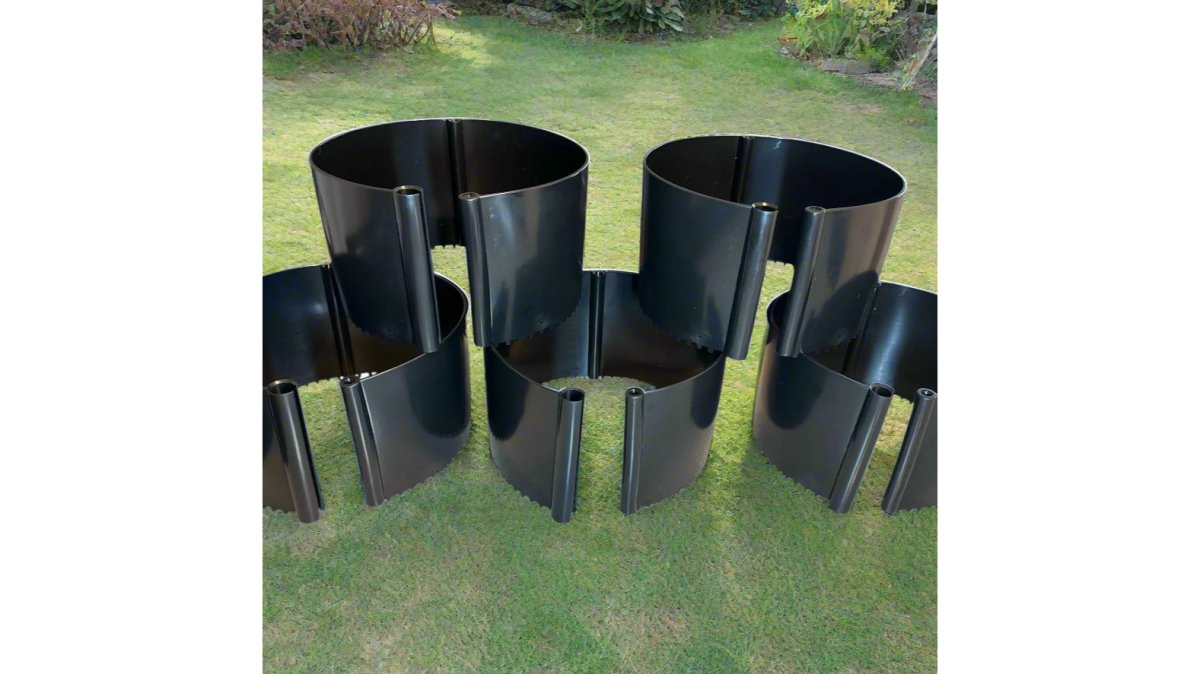
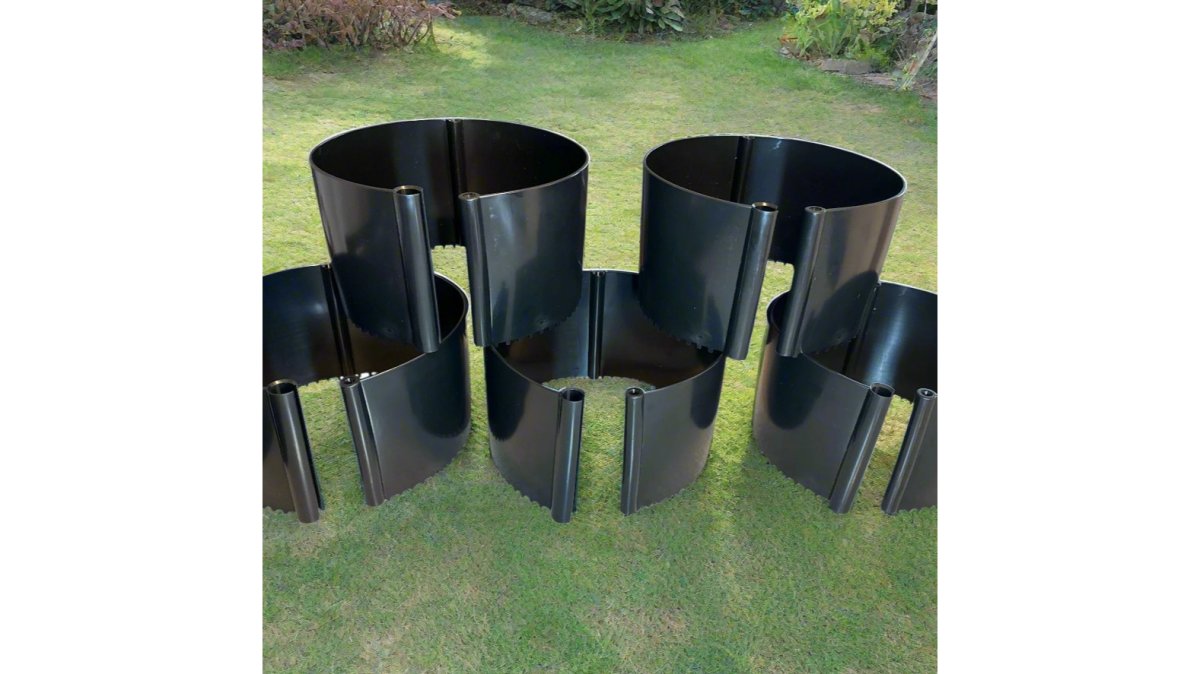
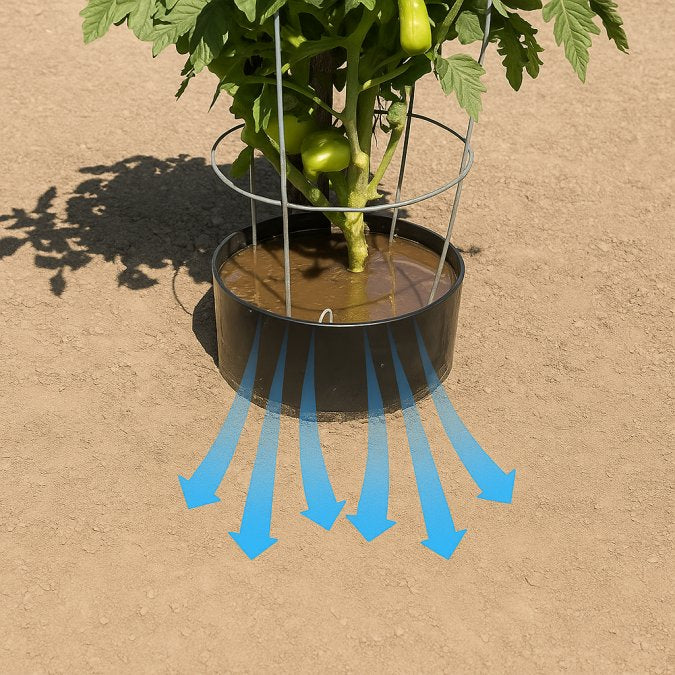
Watering rings concentrate water in a small area around each plant. They're portable, require no tools, and work on slopes. The EPA WaterSense program recognizes targeted watering methods as effective water conservation tools for residential gardens.
Garden Water Ring is a one-piece watering ring that holds up to 2 gallons and installs about 2 inches into the soil with two holding spikes. Water poured into the ring soaks directly to the root zone instead of spreading across the bed, so you reduce garden watering time effectively by not overwatering spaces between plants.

The ring helps reduce runoff on slopes and keeps water in the root zone longer, so roots absorb more and you use less water overall.
Compare these methods by what matters most to your garden:
| Method | Setup Time | Works on Slopes | Adjustable | Best For |
|---|---|---|---|---|
| Soaker hose | 10 minutes | No | Limited | Flat, straight beds |
| Drip irrigation | 30+ minutes | Yes | Yes | Large gardens |
| Watering ring | 2 minutes | Yes | No | Individual plants, small beds |
Deep Watering Techniques for Stronger Root Development
Deep watering applies water slowly so it soaks to where deepest roots live, not just the top few inches. Deep roots make plants tougher, access moisture during dry periods, reduce dependence on frequent watering, and anchor plants better in wind.
To water deeply: water slowly to avoid runoff, water longer at each plant to allow penetration, water less often to encourage deeper root growth, and check soil moisture before watering by inserting a finger 3 inches into soil.
Most vegetable roots live in the top 12 inches of soil. Tomatoes, peppers, and squash develop stronger root systems when water reaches 8-12 inches down.
Watering rings support deep watering because water concentrates in one spot around the root zone, forcing deeper infiltration than broadcast watering.
Gardening Tips for Dry Climates and Water Conservation
Dry climates demand smarter watering. Heat and low humidity increase evaporation dramatically, so you need methods that keep water in the soil longer and match watering to actual plant needs.
Create plant-specific watering zones:
Not all plants in your garden need the same amount of water. Grouping plants by water needs, called hydro-zoning, is one of the most effective dry-climate strategies, yet it's often overlooked.
High-water vegetables (tomatoes, peppers, squash, cucumbers) need consistent moisture and benefit from concentrated watering methods like Garden Water Ring. Water when soil 3 inches down feels dry. Moderate-water vegetables (beans, peas, lettuce, chard) tolerate slightly drier soil between waterings. Low-water herbs (rosemary, thyme, sage, oregano) prefer drier soil and need water only when soil 4-6 inches down feels dry. Group them separately to avoid overwatering.
By creating separate zones, you water each plant type appropriately. You don't waste water on drought-tolerant herbs, and you don't leave thirsty tomatoes short on moisture.
Soil preparation is critical in dry climates: Add organic matter like compost to improve water-holding capacity so plants stay hydrated longer between waterings.
Mulch heavily with a 2-3 inch layer to reduce evaporation and keep soil cooler, reducing water stress on plants.
Timing and depth matter more in heat: Water early and deeply. For high-water plants, water until soil is moist 8-12 inches down. Use a soil probe to check depth. Shallow, frequent watering creates weak root systems.
Reduce wind exposure: Wind increases evaporation dramatically. A fence, shrub row, or shade cloth on the windward side reduces wind exposure and cuts water loss.
Integrate soil moisture monitoring: A simple soil moisture meter removes guesswork and prevents both overwatering and underwatering. Check soil moisture before watering, especially during heat waves.
Seasonal adjustments in dry climates: Water needs change with the season. Spring and fall are cooler and require less frequent watering. Summer heat increases evaporation dramatically. Adjust frequency seasonally, high-water plants may need watering every 2-3 days in peak summer but only once a week in spring and fall.
Mulching and Soil Amendments to Reduce Watering Frequency
Mulch is one of the easiest ways to reduce garden watering time effectively by blocking sun and stopping evaporation. Apply 2-3 inches around plants, keeping it a few inches from stems. Organic mulches like wood chips, straw, or shredded leaves break down and improve soil structure, increasing water-holding capacity.
How soil amendments improve water retention:
Soil holds water in two ways: in the spaces between soil particles (pore space) and bound to organic matter.
Mineral amendments for water retention:
The combined effect of mulch and amended soil:
Checking Soil Moisture and Avoiding Common Watering Mistakes
The biggest watering mistake is guessing. Most gardeners water on a schedule, not based on what the soil actually needs. This wastes water and harms plants.
Common watering mistakes to avoid:
- Watering on a fixed schedule. Plants need different amounts at different times. Check soil first.
- Watering lightly every day. This keeps soil wet near the surface but doesn't reach roots. Water deeply and less often.
- Watering the whole bed. This wastes water on spaces where no roots live. Focus water on plants.
- Watering in afternoon heat. Most water evaporates before roots absorb it. Water early morning.
- Ignoring runoff. If water runs off instead of soaking in, you're watering too fast. Slow down.
- Overwatering in cool weather. Cool temperatures slow plant growth and water use. Water less when it's cool.
Frequently Asked Questions
What is the best time of day to water a vegetable garden?
Early morning, ideally between 6 and 8 a.m., is the best time to water your vegetable garden. Watering early allows plants to absorb moisture before the heat of the day increases evaporation and transpiration. Morning watering also reduces disease risk by allowing foliage to dry quickly. Avoid watering in the evening, as wet soil overnight can encourage fungal issues. If morning watering isn't possible, late afternoon is acceptable, though more water will be lost to evaporation.
How can I reduce garden watering time while maintaining plant health?
Focus on efficient root-zone watering methods that deliver water directly to the soil where plants need it most. Deep soaking less frequently is more effective than shallow daily watering, as it encourages deeper root development and stronger plants. Using mulch, checking soil moisture with a moisture meter, and amending soil with organic matter all extend water-holding capacity. Tools like the Garden Water Ring concentrate water and fertilizer around the root zone, reducing runoff and evaporation while cutting watering frequency.
Does deep watering actually save time in the long run?
Yes. Deep watering encourages plants to develop stronger, deeper root systems that access soil moisture more efficiently. Once established, deep-rooted plants require less frequent watering because they can draw from deeper soil reserves. While a single deep-watering session takes more time than a quick sprinkle, you water far fewer days per week. Over a growing season, deep watering saves significant time and effort while improving plant resilience to drought stress.
How does mulch help reduce how often I need to water?
Mulch acts as a protective layer over soil, reducing water loss through evaporation and maintaining more consistent soil moisture. A 2- to 3-inch layer of organic mulch (wood chips, straw, or compost) keeps soil cooler and slows transpiration from the soil surface. This extended water retention means you can water less frequently while plants remain adequately hydrated. Mulch also improves soil structure over time, increasing its natural water-holding capacity as organic matter breaks down.

Leave a comment
This site is protected by hCaptcha and the hCaptcha Privacy Policy and Terms of Service apply.