
Table of Contents
- Why Water Runs Off Your Garden (and What It Costs You)
- Comparison Table: Runoff Prevention Methods at a Glance
- Improving Garden Soil Water Absorption
- Watering a Garden on a Slope Without Wasting Water
- Root-Zone Watering for Vegetables: The Core Strategy
- Best Ways to Prevent Garden Runoff: A Practical Checklist
- Conclusion
- Frequently Asked Questions
Last Updated: October 12, 2026
Why Water Runs Off Your Garden (and What It Costs You)
Water that sheets off a garden bed instead of soaking in is the single most common reason vegetable plants look thirsty even after a long soak. The best ways to prevent garden runoff start with understanding where that water is actually going: across the surface, down the slope, and away from the roots that need it.
This guide from Garden Water Ring breaks down what causes runoff, how to fix the soil so it absorbs more, and how root-zone watering changes the equation for tomatoes, peppers, cucumbers, and squash.
Water loss is not just a waste of a resource. It carries away the nutrients and fertilizer you paid for, erodes topsoil, and leaves plants stressed during the exact dry stretches when they need consistent moisture most. The USDA Natural Resources Conservation Service guidance on soil health notes that healthy, well-structured soil absorbs and holds far more water than compacted ground, which is why soil condition sits at the center of any runoff fix.
Runoff has three usual causes:
- Compacted or clay-heavy soil that sheds water instead of soaking it in
- Sloped beds where gravity moves water faster than the soil can absorb it
- Fast, heavy watering that delivers more water than the surface can take at once
Fix any one of those and you lose less water. Fix all three and the garden starts behaving like a sponge instead of a slide. Below, we'll walk through the methods that work, compare them side by side, and show where each one fits.
Comparison Table: Runoff Prevention Methods at a Glance
No single method solves every bed. The table below compares the main approaches so you can match the tool to your situation.
| Method | Best For | Effort to Set Up | Water Saved |
|---|---|---|---|
| Compost and organic matter | Compacted or clay soil | Moderate, ongoing | High, improves over seasons |
| Mulch layer | All beds, especially dry climates | Low | Moderate, cuts evaporation |
| Contour and berm shaping | Sloped beds | Moderate | Moderate to high |
| Root-zone watering ring | Vegetables on flat or mild slopes | Low, no tools | High, targets the root zone |
| Slower, split watering | Any bed, no materials needed | None | Moderate |
Each method carries trade-offs. Compost builds long-term soil structure but takes a season or more to show full effect. Mulch is fast and cheap but does nothing for water that already ran off before it landed. Root-zone watering delivers water exactly where roots grow, which is why it pairs well with the soil fixes below.
Improving Garden Soil Water Absorption
Garden soil water absorption improves fastest when you add organic matter and stop working the soil when it is wet. Soil that crumbles into loose aggregates lets water move down into the root zone instead of pooling and running off.
A simple test tells you where you stand. Dig a small hole, fill it with water, and watch how fast it drains. If water sits for hours, the soil is compacted or clay-heavy and needs organic matter worked in. If it disappears quickly, the soil may drain too fast and hold too little.
Organic Matter and Compost
Compost is the highest-value fix for poor absorption. Spread two to three inches over the bed and work it into the top several inches, or simply layer it on top and let worms do the mixing. Over time, organic matter builds the crumb structure that lets water enter and stay.
University extension programs consistently recommend regular compost additions for exactly this reason. The Cornell University Cooperative Extension gardening resources explain how organic matter improves both drainage and water-holding capacity, which sounds contradictory until you understand that good soil does both.
Mulch: Does It Really Help?
Mulch helps, but it solves a different half of the problem. A two-to-three-inch layer of straw, shredded leaves, or wood chips slows evaporation from the soil surface and keeps temperatures steadier. What mulch does not do is stop water from running off a slope or a compacted bed before it ever reaches the soil.
Use mulch as a partner to the other methods, not a replacement. It reduces how often you water, but it will not rescue a bed where water never soaks in to begin with.
Watering a Garden on a Slope Without Wasting Water
Watering a garden on a slope without wasting water means slowing the water down and giving it somewhere to pause. Gravity is not the enemy; speed is. When water arrives faster than the soil can absorb it, it leaves.
Three practical fixes work on mild to moderate slopes:
- Water in short cycles. Apply a little, wait, then apply more. The pause gives the soil time to absorb before the next round.
- Shape shallow berms. A small ridge along the downhill edge of a bed creates a temporary catch basin that holds water in place.
- Water at the base of each plant. Delivering water to the root zone instead of broadcasting it across the surface cuts how much is exposed to runoff.
On a mild slope, a root-zone watering ring sits around the plant base and holds water in place long enough to soak straight down. Because it works on mild slopes and uneven ground, it removes the guesswork from slope watering for vegetable beds.
Root-Zone Watering for Vegetables: The Core Strategy
Root-zone watering for vegetables delivers water directly to the area where roots feed, rather than across the whole bed. This single change cuts runoff, reduces evaporation, and pushes roots to grow deeper and stronger.
The logic is straightforward. Broadcasting water over a bed wets a lot of surface that has no roots under it. That surface water evaporates or runs off. Watering at the root zone puts the moisture where the plant can actually use it, so less is lost and more is taken up.
Deep, consistent moisture also encourages roots to grow downward in search of water. Shallow, frequent sprinkling does the opposite, keeping roots near the surface where they dry out fast. Gardeners growing tomatoes, peppers, cucumbers, and squash tend to see the biggest difference because these plants are heavy feeders with deep root systems.
How Garden Water Ring Fits In
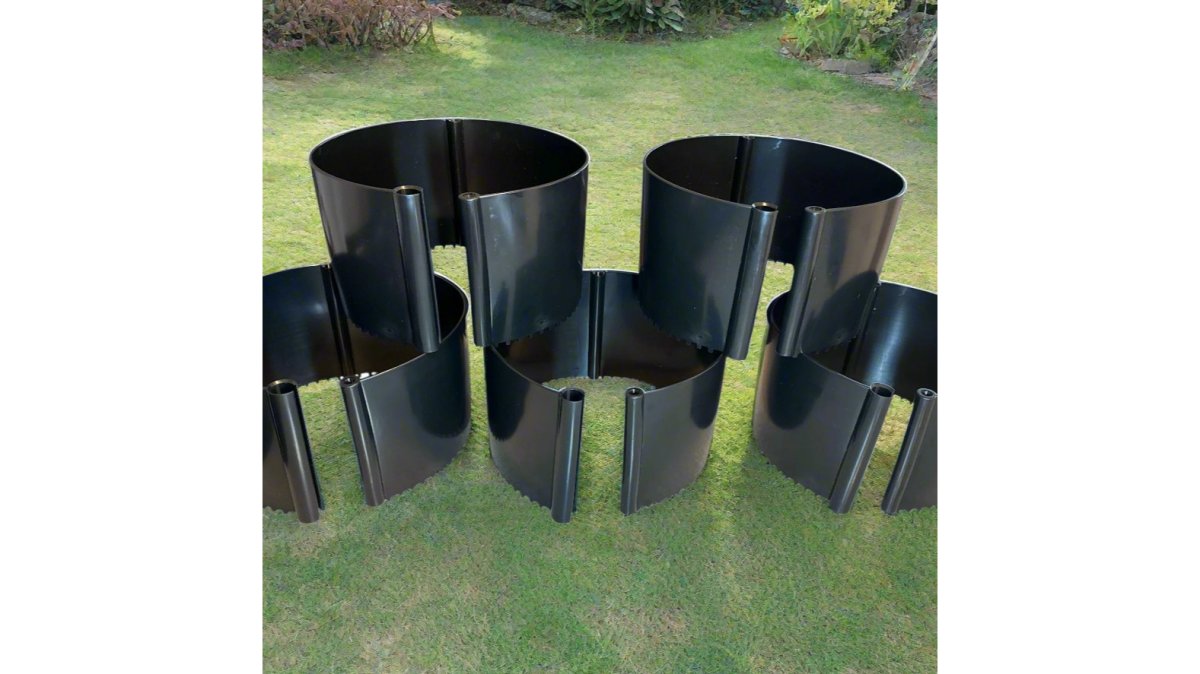
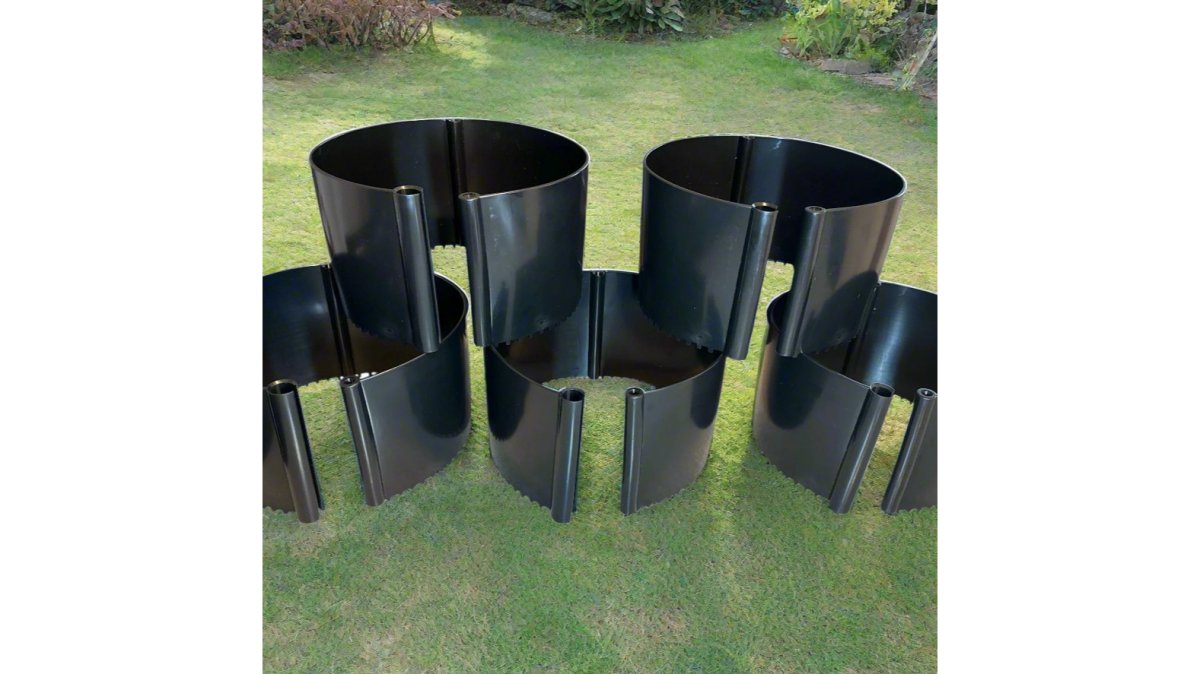
Garden Water Ring is a patented, reusable, USA-made root-zone watering product built for exactly this job. It is one continuous one-piece unit that opens and closes with a sliding male/female locking system, so there are no separate wall sections to assemble and no tools required to install it.
The ring measures approximately 10 inches in diameter and 6 inches high, holds up to 2 gallons, and includes two 11-inch holding spikes. It installs about 2 inches into the soil with the teeth facing downward. It is manufactured from 100% virgin BPA-free, UV- and weather-resistant polypropylene, which is what makes it strong, durable, and reusable season after season.
In practice, it concentrates water and fertilizer around the plant's root zone, helps reduce runoff and evaporation, and promotes deeper root development. Because it targets each plant directly, it also reduces unnecessary watering between plants and helps limit weed growth in the surrounding soil. It works on mild slopes, and GardenWaterRing.com orders ship directly from the manufacturer to the customer.
Free Shipping in the USA(https://gardenwaterring.com/products/garden-water-ring)
Best Ways to Prevent Garden Runoff: A Practical Checklist
The best ways to prevent garden runoff combine a soil fix, a surface fix, and a delivery fix. Use this checklist to work through a bed in order, starting with the change that gives the biggest return.
- Test drainage by filling a dug hole and timing how fast water drops
- Add two to three inches of compost and work it into the top layer
- Apply a two-to-three-inch mulch layer to cut evaporation
- Shape a shallow berm along the downhill edge of sloped beds
- Switch to short, split watering cycles instead of one long soak
- Water at the base of each plant rather than across the bed
- Install a root-zone ring around heavy feeders like tomatoes and peppers
- Water in the morning when temperatures are lower
Work top to bottom. Soil first, then surface, then delivery method. A bed that absorbs well and holds water at the root zone needs far less frequent watering than one that sheds everything you give it.
Conclusion
Runoff is a solvable problem, and the fix usually comes down to soil structure, slope, and how water is delivered. Start with compost and mulch to help the ground absorb more, then move to root-zone watering to put moisture exactly where plants can use it.
For vegetable gardeners who want a durable, tool-free way to hold water at the root zone, Garden Water Ring is built for the job. Its patented one-piece design, 2-gallon capacity, and two 11-inch holding spikes make it a strong fit for tomatoes, peppers, cucumbers, and squash on flat ground or mild slopes. Shop Garden Water Ring at GardenWaterRing.com and give every plant the water it actually needs.
Frequently Asked Questions
What are the best ways to prevent garden runoff?
Start with the soil: mix in compost so water soaks in instead of running off. Add a 2- to 3-inch layer of mulch to slow the flow and cut evaporation. Water slowly and in stages rather than all at once. On slopes, build a small berm or basin around each plant. For vegetables, root-zone watering with a tool like Garden Water Ring delivers water straight to the root area, which reduces runoff and keeps moisture where plants can use it.
How can I improve water absorption in garden soil?
Organic matter is the main lever. Spread 2 to 4 inches of compost or aged manure and work it into the top 6 to 8 inches of soil. Mulch on top keeps the surface from crusting. Water in short cycles so the soil has time to absorb between passes. If your soil is compacted, aerate it lightly with a garden fork. University extension programs recommend testing your soil first so you know whether you are dealing with clay, sand, or something in between.
How should I water a garden on a slope?
Water in small amounts and let each pass soak in before adding more. Create a shallow basin or berm on the downhill side of each plant to catch water. Group plants along the contour of the slope rather than up and down it. Root-zone watering tools that hold water at the plant base, like Garden Water Ring, work well on mild slopes because the water is released slowly right where the roots are instead of racing downhill.
Does mulch help prevent garden runoff?
Yes. A 2- to 3-inch layer of organic mulch, such as straw, shredded leaves, or wood chips, slows the speed of water hitting the soil surface and gives it time to soak in. Mulch also reduces evaporation, which matters most in dry climates. Keep mulch a couple of inches away from plant stems to avoid rot, and refresh it through the season as it breaks down.

Leave a comment
This site is protected by hCaptcha and the hCaptcha Privacy Policy and Terms of Service apply.