
Table of Contents
- Root Zone Water Storage: What It Is and Why Your Vegetables Care
- Storage Capacity vs. the Water Currently in Your Soil
- Where the Root Zone Ends: Rooting Depth and Soil Depth
- Soil Texture, Field Capacity, and Wilting Point
- How to Water Vegetable Plants So Roots Actually Get the Water
-
Estimating Root Zone Water Storage in Your Own Beds
- Three numbers that get confused
- The formula
- Available water capacity by texture
- Worked example 1: loam bed, 4 ft × 8 ft, 12-inch rooting depth
- Worked example 2: sandy bed, same dimensions
- Worked example 3: shallow raised bed, 4 ft × 8 ft, 8-inch rooting depth
- Quick reference table
- Units, conversions, and uncertainty
- From estimate to watering interval
- Deep Watering Plants: Getting Water Past the Surface
- Reduce Garden Water Runoff on Slopes and in Raised Beds
- Conclusion: Make Your Soil Hold More, Then Water Smarter
- Frequently Asked Questions
Last Updated: October 12, 2026
Root Zone Water Storage: What It Is and Why Your Vegetables Care
Root zone water storage is the water held in the soil layer plant roots can actually reach.
Most garden watering fails at the same point: water lands on the surface, sits in the top inch or two, then evaporates or runs off before roots reach it.
Below, we'll show you how to estimate storage in your own beds, water so roots actually get the water, and cut runoff on slopes and in raised beds.
Storage Capacity vs. the Water Currently in Your Soil
Storage capacity is the total water a soil can hold and still make available to plants. Current soil water is how much is in there right now. They are not the same number, and confusing them leads to overwatering.
- Storage capacity: the maximum plant-available water the soil can hold
- Current soil water: what is actually in the profile today
- Water deficit: the gap between the two
A bed can have excellent capacity and still be bone dry. That is why checking soil moisture with your hand beats guessing from a calendar.
Where the Root Zone Ends: Rooting Depth and Soil Depth
Rooting depth sets the bottom of your root zone and is the input that most changes your storage estimate. Most vegetable crops concentrate their water-absorbing roots in the top 6 to 12 inches, but effective rooting depth, where roots still take up meaningful water, is usually shallower than the deepest root you can find. Separate three depths that often get blurred together:
- Maximum rooting depth: the deepest root tip you can trace. Impressive, but a small fraction of total uptake happens there.
- Effective rooting depth: the depth containing roughly the top 80% of root activity. This is the number you plug into a storage estimate.
- Soil depth: the physical limit set by bedrock, hardpan, or compacted subsoil. If it sits 8 inches down, it caps everything above it.
Below the effective rooting depth, water may exist but plants cannot reach it in useful amounts, so it is out of the season's budget.
Typical effective rooting depths for common vegetables
Use these as starting points, then verify in your own beds. Values are commonly cited ranges from university extension vegetable guides; actual depth depends on soil structure, moisture, and how the crop was started.
| Crop | Typical effective rooting depth |
|---|---|
| Lettuce, spinach, radish | 6-12 inches |
| Onion, garlic | 12-18 inches |
| Bush beans, peas | 18-24 inches |
| Pepper, eggplant | 18-24 inches |
| Tomato | 24-36 inches |
| Cucumber, squash, melon | 24-36 inches |
| Sweet corn | 24-36 inches |
| Carrot, beet, parsnip | 12-24 inches (taproot crops can go deeper in loose soil) |
A raised bed only 8 inches deep caps every crop on that list at 8 inches, no matter what the table says. Plan for smaller storage and more frequent refills.
How to find your real rooting depth
A soil probe, a sturdy trowel, and a spade are enough.
- Probe for resistance. Push a soil probe or trowel straight down near the plant's drip line and note where resistance suddenly increases, usually a compacted layer, hardpan, or texture change.
- Dig a small pit. Near season's end, dig a narrow 12- to 18-inch pit beside a mature plant and scrape the face smooth.
- Look for roots and color. Fine white roots show active uptake; darker, denser soil with few roots often marks the bottom of the effective zone.
- Measure and record. Note the depth in inches in two or three spots per bed, depth varies more than most gardeners expect.
What limits rooting depth in a home garden
- Compaction. Foot traffic, tillage at the same depth, and construction fill create layers roots struggle to cross.
- Texture change. Sand over clay, or clay over gravel, can stall downward growth even when water is present below.
- Water table. In low spots, a seasonally high water table keeps the lower profile saturated and root-free.
Once you know your effective rooting depth, write it down in inches, you will convert it to feet in the storage estimate below.
Soil Texture, Field Capacity, and Wilting Point
Soil texture drives how much water your soil can hold. Sand drains fast and holds little; clay holds a lot but releases it slowly; loam sits in the middle, which is why gardeners aim for it. Field capacity is the water left after excess drains away, and wilting point is where plants can no longer pull water out.
- Sandy soil: low water-holding capacity, frequent light watering needed
- Clay soil: high capacity, but slow to absorb and slow to release
- Loam: best balance of drainage and retention
Adding compost improves water-holding capacity in sand and drainage in clay. The USDA Natural Resources Conservation Service soil health resources explain how organic matter changes soil structure over time.
How to Water Vegetable Plants So Roots Actually Get the Water
Water vegetable plants slowly at the base, in a volume large enough to soak down to the root zone. Fast watering on dry soil mostly runs off; slow watering percolates down where roots live.
A few habits make the biggest difference:
- Water in the morning, so foliage dries before evening
- Aim at the soil, not the leaves
- Water deeply and less often, not lightly and daily
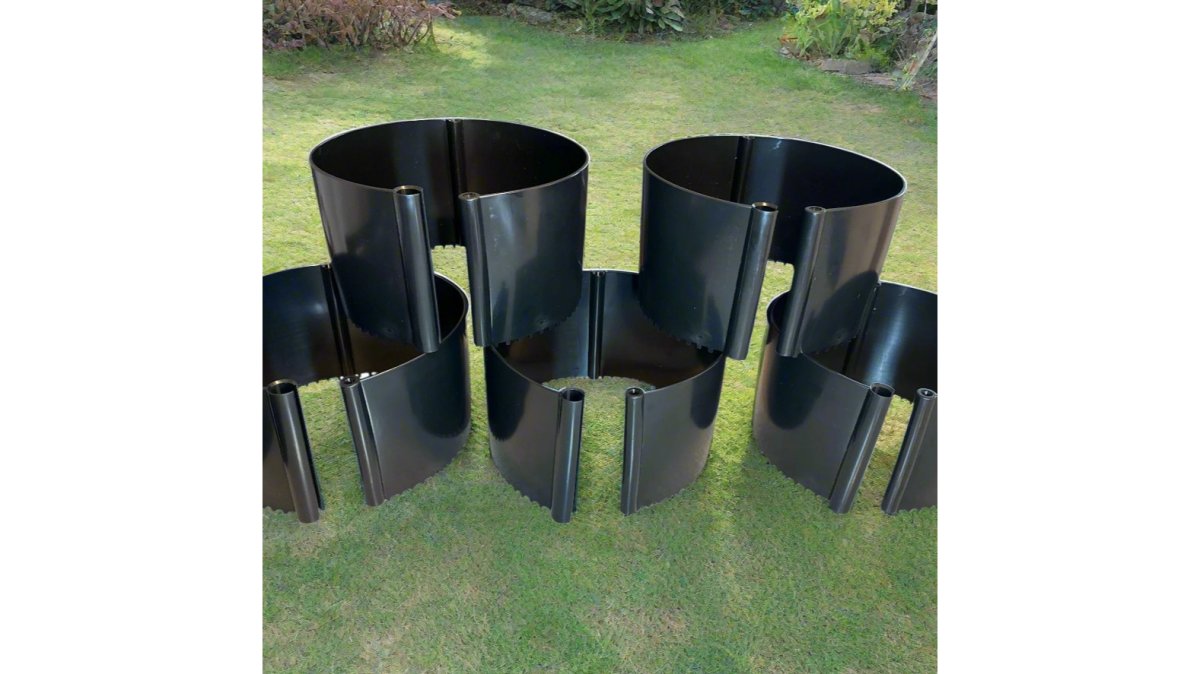
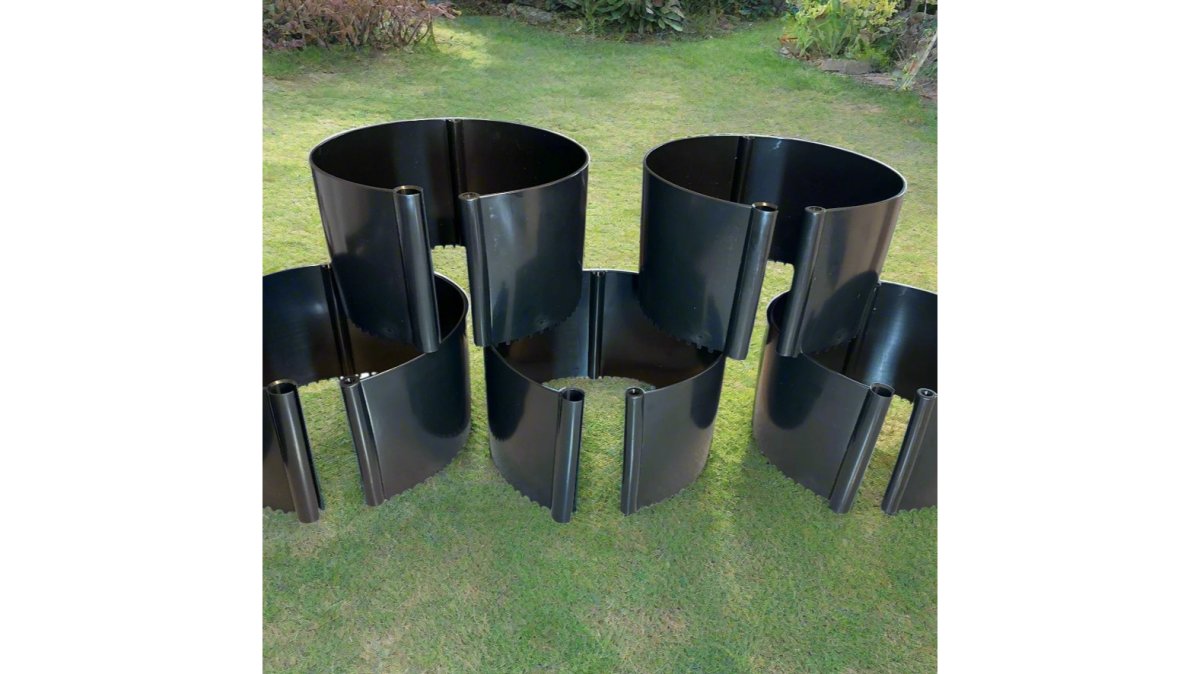
This is where a root-zone watering ring earns its place. The Garden Water Ring holds up to 2 gallons and helps direct water to the plant's root zone, giving water time to move down instead of running off.

Estimating Root Zone Water Storage in Your Own Beds
You can estimate root zone water storage with a single multiplication: effective rooting depth times available water capacity times bed area. The trick is keeping units straight and knowing which number you are calculating.
Three numbers that get confused
Before you calculate, decide what you want to know:
- Storage capacity (maximum plant-available water): the most water the root zone can hold and still release to plants, a fixed property of your soil and rooting depth.
- Current soil water: how much water is in the profile right now, changing daily with rain, watering, and plant uptake.
- Dynamically active storage: the portion of current water actually moving through the system, refilled by rain or watering and drawn down by roots. It is always less than or equal to capacity.
A bed can have a large capacity and be nearly empty, so capacity alone never tells you when to water. Pair the estimate with a moisture check.
The formula
Storage (gallons) = rooting depth (ft) × available water capacity (in/ft) × bed area (sq ft) ÷ 12 × 7.48
Where the pieces come from:
- Rooting depth (ft): from the probe-and-pit method above. Divide inches by 12.
- Available water capacity (in/ft): the water held between field capacity and permanent wilting point. Use the texture table below.
- Bed area (sq ft): length × width. For a circular bed, use 3.14 × radius².
Available water capacity by texture
These ranges are widely used in soil science and extension materials. They describe the water held between field capacity and wilting point, the water plants can actually use.
| Texture | Available water capacity (in/ft) | Notes |
|---|---|---|
| Coarse sand | 0.5-0.75 | Drains fast; small root-zone reservoir |
| Fine sand / loamy sand | 0.75-1.1 | Slightly better retention |
| Sandy loam | 1.1-1.5 | Common garden soil |
| Loam / silt loam | 1.5-2.1 | Best balance for most vegetables |
| Silty clay loam | 1.8-2.2 | Holds well, drains slowly |
| Clay | 1.5-2.5 | High total water, but a portion is tightly held |
If you do not know your texture, a jar test or a feel test with moist soil can get you into the right row, and your local extension office can help with a soil test.
Worked example 1: loam bed, 4 ft × 8 ft, 12-inch rooting depth
- Rooting depth: 12 in ÷ 12 = 1.0 ft
- Available water capacity: 1.8 in/ft (mid-range loam)
- Bed area: 4 × 8 = 32 sq ft
Worked example 2: sandy bed, same dimensions
- Rooting depth: 1.0 ft
- Available water capacity: 0.9 in/ft (fine sand)
- Bed area: 32 sq ft
The sandy bed holds about half the usable water of the loam bed. That is why sandy gardens need more frequent, smaller refills rather than one big soak.
Worked example 3: shallow raised bed, 4 ft × 8 ft, 8-inch rooting depth
- Rooting depth: 8 in ÷ 12 ≈ 0.67 ft
- Available water capacity: 1.8 in/ft (loam)
- Bed area: 32 sq ft
Cutting rooting depth from 12 to 8 inches costs about a third of your storage, the cost of a shallow bed, and why deeper raised beds pay off in hot, dry stretches.
Quick reference table
| Texture | AW C (in/ft) | 32 sq ft, 12 in deep | 32 sq ft, 8 in deep |
|---|---|---|---|
| Fine sand | 0.9 | ~18 gal | ~12 gal |
| Sandy loam | 1.3 | ~26 gal | ~17 gal |
| Loam | 1.8 | ~36 gal | ~24 gal |
| Silty clay loam | 2.0 | ~40 gal | ~27 gal |
| Clay | 2.2 | ~44 gal | ~29 gal |
Units, conversions, and uncertainty
- Inches to feet: divide by 12.
- Cubic feet to gallons: multiply by 7.48.
- Gallons to inches over an area: multiply gallons by 0.1337 to get cubic feet, then divide by area in square feet, then multiply by 12 to get inches.
Every input carries uncertainty: texture varies across a bed, organic matter shifts available water capacity, and rooting depth changes through the season. Treat your result as a planning range, not a precise figure, and run the calculation with low and high values for available water capacity, using the midpoint for planning.
From estimate to watering interval
Once you know capacity, estimate how long a full root zone lasts by dividing capacity by approximate daily water use for the crop and weather.
That is where slow, targeted delivery matters. The Garden Water Ring holds up to 2 gallons and helps direct water around the plant's root zone, which gives water time to move down into the reservoir you just calculated instead of running off the surface.
Deep Watering Plants: Getting Water Past the Surface
Deep watering means delivering enough water, slowly enough, to reach the lower root zone. Shallow watering trains roots to stay near the surface, where they dry out fastest. Deep watering builds a bigger, more resilient root system.
Signs you are watering deep enough:
- Moisture is present 4 to 6 inches down a few hours after watering
- Plants hold up through a hot afternoon without wilting
- You water less often overall
Signs you are not:
- Soil is wet on top, dry 2 inches down
- Water pools and runs off within seconds
- Plants wilt by midday even after watering
Mulch helps here. The EPA WaterSense outdoor water use guidance notes that mulching and targeted watering reduce outdoor water waste.
Reduce Garden Water Runoff on Slopes and in Raised Beds
Runoff happens when water is applied faster than the soil can absorb it. On slopes and in raised beds, that gap widens fast.
Ways to reduce garden water runoff:
- Build a small soil berm on the downhill side of each plant
- Water in short bursts, then pause to let it soak in
- Add compost to improve absorption
The Garden Water Ring is built for exactly this.
Because it holds water in one spot, it also concentrates fertilizer around the root zone instead of letting it wash off. That means less waste and improved fertilizer efficiency.
Conclusion: Make Your Soil Hold More, Then Water Smarter
The challenge with root zone water storage is that it is invisible.
Garden Water Ring was built to make that delivery simple. It holds up to 2 gallons, installs without tools, and is made in the USA from UV- and weather-resistant polypropylene.
Ready to stop chasing runoff and start watering the roots? Shop Garden Water Ring at Garden Water Ring product page and give every plant its own steady supply of water.
Frequently Asked Questions
What is root zone water storage?
Root zone water storage is the amount of water held in the layer of soil that plant roots can reach. It is set by two things: how deep the roots grow and how much plant-available water the soil can hold per inch of depth. A deep, loamy bed stores far more than a shallow, sandy one. That stored water is what carries vegetables between waterings, so building it up is one of the most useful things a gardener can do.
How often should you water vegetable plants at the root zone?
Water when the top inch or two of soil feels dry, not on a fixed calendar. Stick a finger or a trowel into the bed and check before you water. In hot, dry weather that may mean every two or three days; in cooler spells, once or twice a week is often enough. Watering slowly at the base of the plant, rather than overhead, lets moisture soak down to the roots instead of running off.
How can I reduce garden water runoff when I water?
Apply water slowly and in stages so it has time to soak in. On slopes, water the uphill side first and let it settle before adding more. A ring or basin around each plant holds water in place while it soaks down, which is especially helpful on mild slopes and in raised beds. Mulch on top of the soil also slows the flow and cuts evaporation between waterings.
What soil conditions help retain water near plant roots?
Organic matter is the main lever. Compost, aged manure, and leaf mold improve both sandy and clay soils, helping them hold more plant-available water while still draining. Keeping soil covered with mulch reduces evaporation from the surface. Avoiding compaction matters too, since roots cannot spread through hard, tight soil to reach stored moisture. University extension guides recommend regular compost additions for exactly these reasons.

Leave a comment
This site is protected by hCaptcha and the hCaptcha Privacy Policy and Terms of Service apply.