
Table of Contents
- Why Root-Zone Watering Beats Surface Watering
- How Often to Water a Vegetable Garden
- How Deep to Water Vegetable Plants for Strong Roots
- How to Retain Moisture in Garden Soil
- Watering Vegetables in Hot Weather and Dry Spells
- Diagnosing Underwatering vs. Overwatering
- A Simple Root-Zone Watering Routine for Containers and Raised Beds
- Conclusion: Give Roots a Steady Supply of Water
- Frequently Asked Questions
Last Updated: October 13, 2026
Why Root-Zone Watering Beats Surface Watering
Learning how to keep vegetable roots hydrated starts with one simple idea: put the water where the roots are. Vegetable roots drink from the soil around them, not from the leaves above. When water lands on the surface and runs off, the plant goes thirsty while the garden path gets soaked.
Root-zone watering means delivering water directly to the soil around each plant's base. This guide from Garden Water Ring explains how to do it well, from soil checks to hot-weather routines.

Here's the part most guides skip: the soil surface dries out long before the soil six inches down does. A dry-looking top layer tells you almost nothing about what the roots feel.
Where Vegetable Roots Actually Drink
Most vegetable roots feed in the top six to twelve inches of soil, and that shallow layer dries fastest. Water that soaks straight down reaches them. Water that splashes across the surface mostly evaporates.
According to University of Minnesota Extension on watering vegetable gardens, vegetables take up water mainly through their root systems, which is why watering the soil rather than the foliage matters so much.
How Often to Water a Vegetable Garden
Most vegetable gardens need about one inch of water per week, from rain or from you. Water deeply two or three times a week instead of splashing a little every day. Shallow daily watering trains roots to stay near the surface, where they dry out fast.
That one-inch figure is a starting point, not a rule. How often you actually water depends on three things: how deep your crops root, what stage they are in, and what your soil does with water. Adjust from there rather than locking in a fixed schedule.
Watering Frequency by Soil Type
Sandy soil drains quickly and may need water every two to three days. Clay soil holds water longer, so twice a week is often enough. Loam sits in the middle and is the easiest to keep steady.
| Soil Type | Watering Frequency | Watch For |
|---|---|---|
| Sandy | Every 2-3 days | Fast drainage, dry root zone |
| Loam | 2 times per week | Ideal moisture retention |
| Clay | 1-2 times per week | Slow drainage, soggy roots |
| Raised bed mix | 2-3 times per week | Dries faster than ground soil |
Water Needs by Vegetable Type and Growth Stage
Shallow-rooted crops dry out first because their roots sit in the top few inches, where evaporation hits hardest. Lettuce, spinach, radishes, and green onions fall into this group and often need lighter, more frequent watering. Fruiting vegetables like tomatoes, peppers, and eggplant root deeper and do better with fewer, deeper soakings, especially once they set fruit.
Root crops such as carrots, beets, and turnips want steady moisture at depth so the roots size up evenly instead of splitting. Vining crops like squash, cucumbers, and melons spread wide and pull from a broad root zone, so they reward a slow, deep watering at the base.
Growth stage matters just as much as crop type:
- Seedlings and new transplants: Roots are tiny and near the surface, so check moisture daily and water gently at the base. New transplants benefit from a slow soak that settles soil around the roots.
- Vegetative growth: Plants are building leaves and stems and use water steadily. This is the stage to establish a deep-watering rhythm.
- Flowering and fruiting: Water demand peaks. Irregular moisture here is what causes blossom-end rot in tomatoes and misshapen fruit in peppers, so keep the root zone even.
- Maturity and harvest: Needs taper slightly, but sudden drying can still cause bolting in leafy crops and tough textures in root crops.
A practical way to apply this: group crops with similar root depth and water needs in the same bed, then water that bed on its own rhythm instead of treating the whole garden as one block.
How Deep to Water Vegetable Plants for Strong Roots
Water long enough to soak the top six inches of soil. That depth is where most vegetable roots feed, and it keeps them growing downward instead of hugging the surface. The goal is not to wet the surface; it is to refill the soil reservoir the roots draw from between waterings.
Signs you've watered deeply enough:
- The soil feels moist two inches below the surface
- Water no longer pools on top
- Plants stay upright through the afternoon
How to Check Moisture at Root Depth
Surface appearance is a poor guide. A dry crust on top can sit over moist soil, and a damp top inch can hide a bone-dry root zone underneath. Check at depth instead.
The probe test. Push a wooden stake, a long screwdriver, or a soil probe into the ground near the plant base. In moist soil it slides in with light pressure. In dry soil it stops hard.
The hand check. Dig a small hole with a trowel about six inches deep beside a plant, not on top of the roots. Squeeze a handful of soil from the bottom of the hole. If it holds together and feels like a wrung-out sponge, moisture is right. If it crumbles and falls apart, it is dry.
The meter check. A basic moisture meter gives a fast read at depth. Push the probe six inches down, take the reading, then wipe the probe clean before moving to the next spot.
Adjusting the Check for Containers and Raised Beds
Containers and raised beds dry out differently from in-ground soil, so the check changes.
- Containers: Check two to three inches down, not six. A container that size holds a small volume of soil, and the whole root ball can dry out in a day during heat. Water until it runs from the drainage holes, then check again the next morning.
- Raised beds: Check four to six inches down. Raised beds warm faster and drain faster than ground soil, so they often need water more often than an in-ground bed of the same size.
- Both: Water slowly at the base so it soaks in rather than running off the sides. If water beads on the surface, break the crust gently with a hand cultivator and water again.
A single deep check before you water tells you more than a week of guessing. Once you know what moist soil feels like at six inches, you can read your garden in seconds.
How to Retain Moisture in Garden Soil
Moisture retention starts with the soil itself. Mixing compost into garden beds helps soil hold water longer. A two- to three-inch layer of straw, shredded leaves, or bark mulch on top slows evaporation and keeps soil temperature steady.
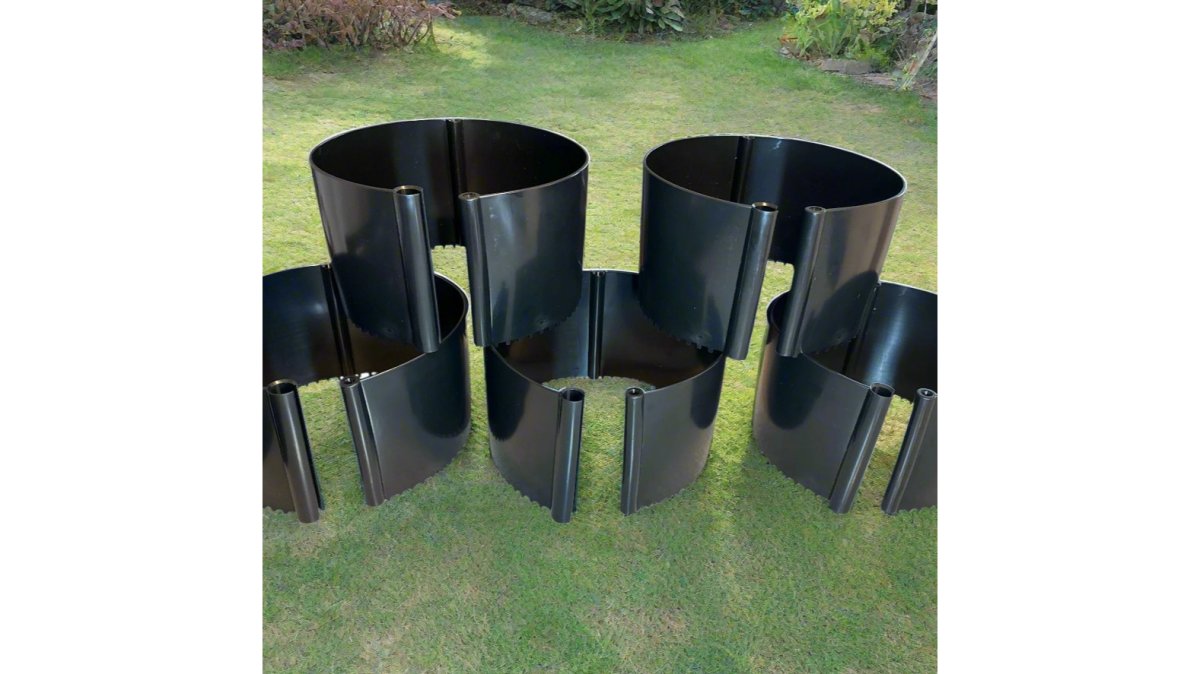
Garden Water Ring fits this job well. The ring holds up to two gallons and sends water straight to the root zone, which cuts runoff and evaporation. It also keeps water and fertilizer centered on the plant.
More ways to hold moisture:
- Add compost before planting each season
- Keep mulch away from direct contact with stems
- Group thirsty plants together
- Water early so soil absorbs slowly
Watering Vegetables in Hot Weather and Dry Spells
Hot weather changes the rules. During a heat wave, check soil moisture daily and water in the early morning. Deep watering matters even more now, because the top inch of soil can dry out within hours.
Container plants and raised beds dry out fastest in the heat. They may need water twice a day during a dry spell. In-ground beds with good mulch hold on longer.
According to USDA Natural Resources Conservation Service on soil moisture, soil moisture drives how well plants take up nutrients, so keeping the root zone steady pays off beyond just hydration.
Drought-tolerant vegetables like beans, chard, and squash handle dry stretches better than lettuce or celery. Even so, none of them produce well without steady moisture at the roots.
Diagnosing Underwatering vs. Overwatering
Wilting does not always mean a plant needs water. Both underwatering and overwatering can make leaves droop, but the fixes are opposite. Check the soil before you act.
| Sign | Underwatering | Overwatering |
|---|---|---|
| Leaf look | Dry, crispy edges | Yellow, soft leaves |
| Soil feel | Dry two inches down | Soggy or waterlogged |
| Growth | Slow, stunted | Wilting despite wet soil |
| Roots | Dry, pale | Dark, mushy |
If the soil is dry, water deeply. If it is soggy, stop watering and let it dry out. Overwatered plants suffocate at the roots, and the damage can look just like drought stress.
A Simple Root-Zone Watering Routine for Containers and Raised Beds
Containers and raised beds dry out faster than ground soil, so they need a steady, root-focused routine. Here is a simple plan to follow each week.
- Check moisture two inches down before watering anything.
- Water slowly at the base until the soil is moist six inches deep.
- Refill on a set schedule, adjusting for heat and rainfall.
- Add mulch to slow evaporation between waterings.
- Recheck after any hot, windy day.
Garden Water Ring fits this routine for individual plants. The one-piece design opens and closes with a sliding lock, installs about two inches into the soil with the teeth down, and needs no tools. Two 11-inch holding spikes keep it steady, even on mild slopes.
You can shop Garden Water Ring at Garden Water Ring.
Conclusion: Give Roots a Steady Supply of Water
Keeping vegetable roots hydrated comes down to a few habits: water deeply, water at soil level, mulch the surface, and check moisture before you reach for the hose. These small steps protect the root zone through heat, dry spells, and everything between.
Garden Water Ring makes that routine easier. It is a patented, reusable, USA-made root-zone watering product that holds up to two gallons, directs water and fertilizer to the roots, reduces runoff and evaporation, and works on mild slopes. It is built from 100% virgin BPA-free, UV- and weather-resistant polypropylene for season after season of use.
Shop Garden Water Ring and give your vegetables the steady root-zone moisture they need to grow strong.
Frequently Asked Questions
Should I water my vegetable plants every day?
Most established vegetable plants do better with a deep soak two or three times a week than a daily sprinkle. Daily light watering keeps only the top inch or two of soil wet, so vegetable roots stay shallow and dry out fast in heat. Check soil moisture 2 to 3 inches down before watering. If it feels moist, wait a day. Sandy soil may need water more often, while clay soil holds moisture longer.
Does mulch help keep vegetable roots hydrated?
Yes. A 2 to 3 inch layer of straw, shredded leaves, or untreated grass clippings slows evaporation from the soil surface and keeps soil temperature steadier. University extension programs recommend mulching vegetable beds for exactly this reason. Keep mulch a couple of inches away from plant stems to avoid rot, and replenish it as it breaks down through the growing season.
How can I tell whether my vegetable plants need water?
Push a finger or a wooden stake 2 to 3 inches into the soil near the plant's drip line. If it comes out dry, it is time to water. Wilting in the afternoon that recovers by evening is often heat stress, not thirst. Wilting that persists into the morning usually means the plant needs water. Yellowing lower leaves and soggy soil point to overwatering instead.
Is it better to water vegetables in the morning or evening?
Morning is the better choice. Watering early lets leaves dry through the day, which lowers the risk of fungal disease, and it prepares plants for the heat ahead. Evening watering is workable, but wet foliage overnight can invite problems. Whatever time you choose, water at soil level rather than over the leaves so more moisture reaches the root zone.


Leave a comment
This site is protected by hCaptcha and the hCaptcha Privacy Policy and Terms of Service apply.