
Table of Contents
- What Makes Durable Garden Watering Tools Stand Out
- Material Quality and Longevity in Garden Watering Equipment
- Best Garden Watering Accessories 2026 for Home Gardeners
- Efficient Root-Zone Watering Methods That Save Water
- Common Failure Points and How to Avoid Them
- Maintenance and Storage Tips for Year-Round Durability
- Choosing the Right Watering Tool for Your Garden
- Frequently Asked Questions
Durable Garden Watering Tools Review
Last Updated: September 24, 2026
Choosing the right durable garden watering tools makes the difference between thriving plants and constant frustration. Home gardeners face real challenges: water running off slopes, evaporation stealing moisture before roots absorb it, and the time drain of watering multiple times daily. The right tools solve these problems directly. This guide covers what separates truly durable watering equipment from products that fail after one season, and shows you how to select tools that match your garden's actual needs.
What Makes Durable Garden Watering Tools Stand Out
Durability in garden watering tools comes down to material quality, design simplicity, and how well the tool handles sun, soil, and temperature swings. Some crack or leak within weeks; others function reliably for years.
Real durability starts with material selection. Tools made from virgin polypropylene with UV and weather resistance hold up far better than recycled plastics or thin vinyl. One-piece designs eliminate weak points where separate sections connect. A sliding male/female locking system creates a water-tight connection that doesn't degrade with temperature changes the way snap-together systems do.
Design simplicity supports longevity. Tools that require no assembly, no tools to install, and no moving parts tend to outlast complex alternatives by removing failure points.
University of Florida IFAS Extension provides research on garden irrigation durability
Material Quality and Longevity in Garden Watering Equipment
Virgin polypropylene stands out for home garden use because it resists UV degradation, maintains flexibility in cold, and doesn't become brittle or crack under sun exposure. Recycled plastics and thin vinyl break down faster, especially in intense sun or freeze-thaw cycles.
BPA-free certification matters for tools that hold water you'll use on vegetables. Weather-resistant materials rated for outdoor use maintain their integrity through rain, snow, and temperature swings.
Material thickness affects durability. Thin-walled tools flex too much under water weight and soil pressure, leading to cracks. Thicker construction distributes stress and reduces failure risk.
Winter storage in a shed or garage extends tool life by protecting materials from freeze-thaw cycles.
Best Garden Watering Accessories 2026 for Home Gardeners
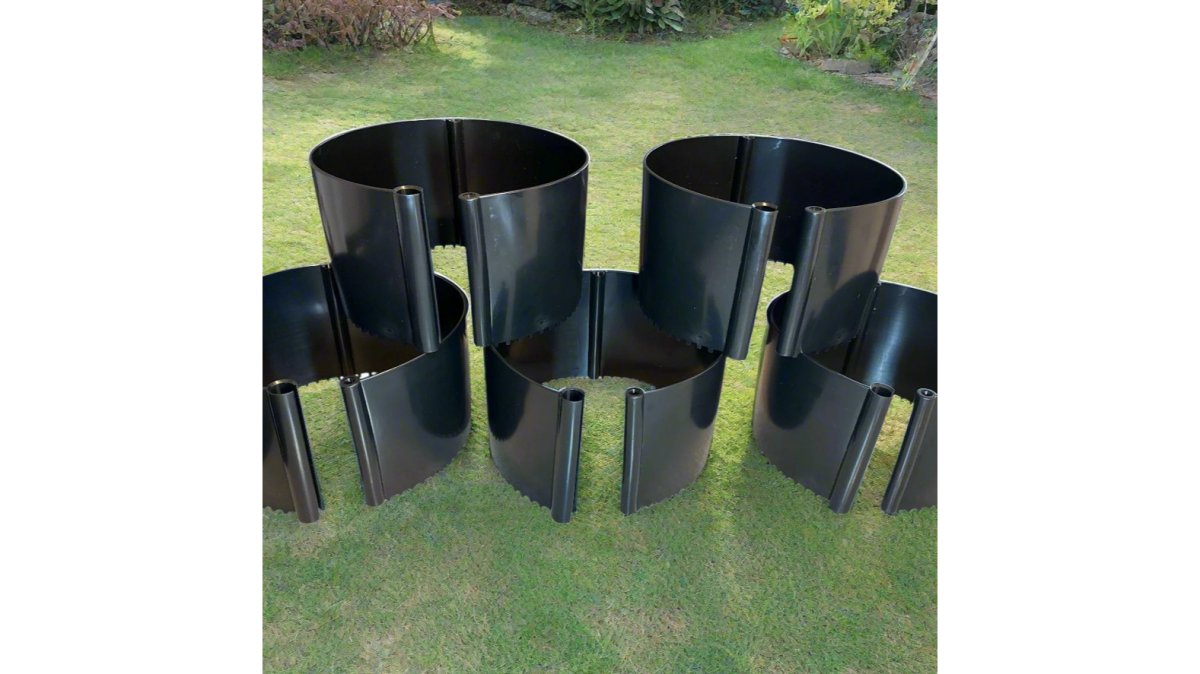
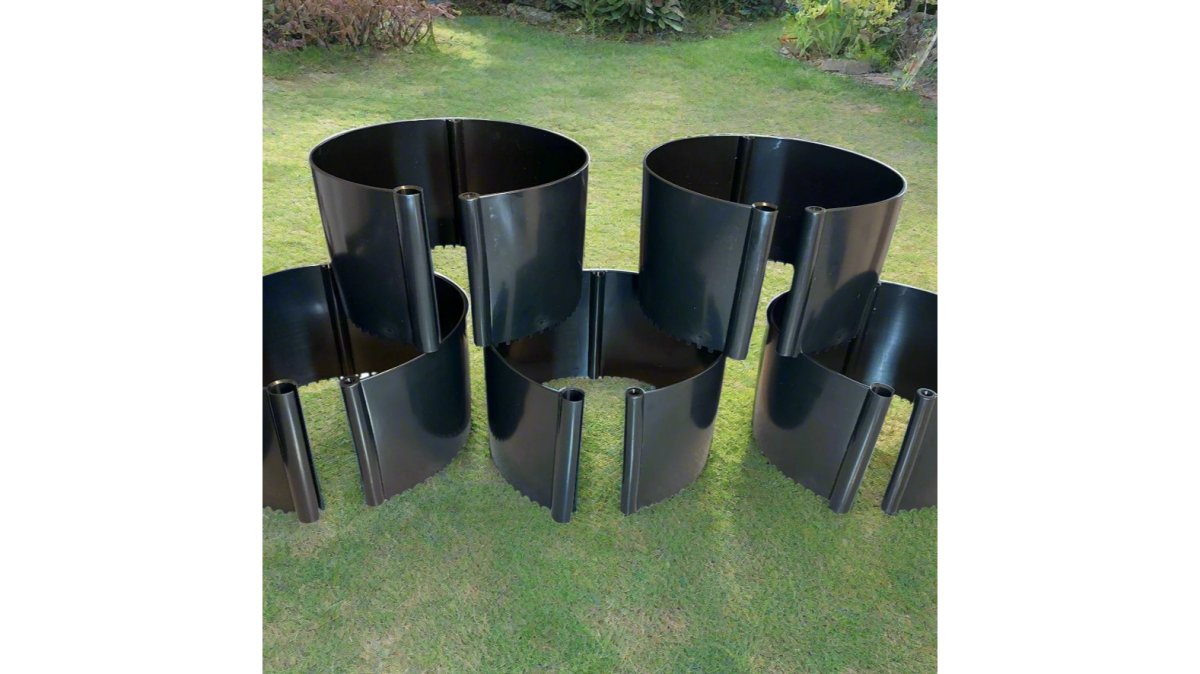
The best garden watering accessories combine functionality with reliability. A few key tools handle most home gardening needs effectively. Garden Water Ring stands out as a top choice for root-zone watering. Its one-piece design uses a sliding male/female locking system with no assembly required. It holds up to 2 gallons, includes two 11-inch holding spikes for stability, and installs about 2 inches into soil with teeth facing downward. Made from 100% virgin BPA-free polypropylene, it resists UV and weather damage. The water-tight seal concentrates water directly at the root zone, which matters for gardens on slopes or in dry climates.

Quality accessories extend your toolkit. Brass valves and stainless steel connectors resist corrosion. Quick-connect fittings let you swap hose sections without losing water pressure.
Soaker hoses made from rubber construction deliver water slowly along their length, reducing runoff. Kink-resistant designs prevent weak points that lead to leaks.
| Accessory Type | Best Use | Durability Factor |
|---|---|---|
| Root-zone watering rings | Individual plants, sloped terrain | One-piece design, water-tight seal |
| Soaker hoses | Rows, raised beds | Rubber construction, kink resistance |
| Quick-connect fittings | Frequent hose swaps | Brass or stainless steel |
| Hose reels | Storage, organization | Protects hose from UV damage |
USDA guidance on efficient garden irrigation
Efficient Root-Zone Watering Methods That Save Water
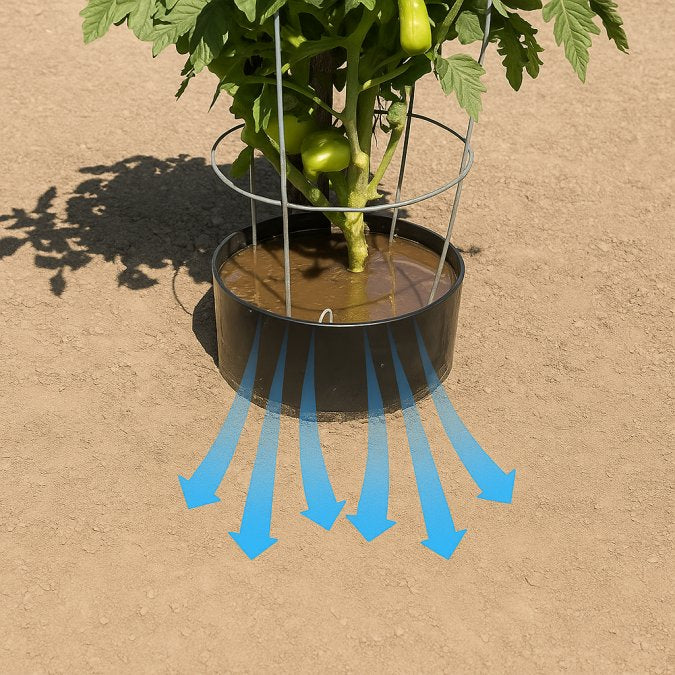
Root-zone watering delivers water at the soil level near roots rather than spraying across the entire area. This cuts water waste because less water evaporates before reaching soil, and runoff on slopes stays contained. It also keeps foliage dry, reducing fungal issues in humid climates.
Garden Water Ring specializes in this method. The ring sits around the plant base and holds water in a contained zone. On sloped terrain, the ring's design with holding spikes keeps it stable and prevents water from escaping the planting area.
The method reduces watering frequency because water stays in the root zone longer instead of evaporating or running off, saving time and reducing overall water use.
Fertilizer efficiency improves with root-zone watering. When you add fertilizer to the water in the ring, it concentrates in the soil where roots absorb it rather than dispersing across a wider area.
Common Failure Points and How to Avoid Them
Most garden watering tools fail at predictable points. Understanding these failure modes helps you select tools that avoid them and maintain equipment properly.
Hose connections are the most common failure point. Plastic fittings crack under pressure or temperature changes. Brass or stainless steel fittings last far longer because they resist corrosion. When a connection fails, you don't need to replace the entire hose, universal brass quick-connect fittings swap in within minutes. Check connections regularly for hairline cracks before they become full leaks.
Seals and locking mechanisms fail when not maintained, but replacement gaskets and seals are often available separately. A water-tight locking system like Garden Water Ring's sliding male/female design works reliably only if you keep it clean. Rinse the locking mechanism before closing it, especially if you've been working in soil. A thorough cleaning often restores the seal completely. Contact the manufacturer directly to ask about replacement options.
UV exposure degrades materials over time, but this failure is entirely preventable. Tools left in direct sun year-round break down faster than those stored indoors during off-season. If a tool shows early signs of UV damage, moving it to shade storage immediately slows further degradation.
Freeze-thaw cycles crack rigid plastics. If you live in a cold climate, drain all water from tools before freezing temperatures arrive. Winter storage indoors is essential in regions where temperatures drop below 32°F regularly.
Pressure from soil and water weight causes flexing in thin-walled designs. Thicker material distributes this stress and resists cracking. If you notice a tool beginning to flex or warp under normal water load, replacement should be planned soon.
Maintenance and Storage Tips for Year-Round Durability
Clean your watering tools after each use, especially if you've added fertilizer to the water. Rinse with plain water and let dry completely before storing.
Inspect locking mechanisms monthly during the growing season. Clean out debris to prevent small issues from becoming failures.
Store tools indoors during winter in cold climates. In milder climates, store in shade rather than direct sun. Drain all water from hoses and rings before storage to prevent ice damage.
Coil hoses loosely rather than wrapping them tightly. Tight coils create stress points that lead to cracks.
Check seals and connections at the start of each season before heavy use. Replace any worn gaskets or cracked fittings before they cause problems.
Choosing the Right Watering Tool for Your Garden
Selecting the right durable garden watering tool depends on your garden layout, soil type, climate, and the plants you grow. But durability itself is climate-dependent, a tool that thrives in one region may fail in another. Understanding your local climate is the first step to choosing equipment that will last.
Cold-Climate Durability (Freeze-Thaw Zones)
If you live where winter temperatures regularly drop below 32°F, material selection becomes critical. Rigid plastics and thin vinyl crack under freeze-thaw stress. Virgin polypropylene rated for weather resistance holds up better because it maintains some flexibility even in cold, but you must still drain all water from tools before winter arrives. Tools with one-piece construction (no separate sections that can separate under ice pressure) are more reliable than multi-part designs.
High-UV Climates (Intense Sun, Dry Regions)
Humid Climates (Fungal Risk, Moisture Retention)
Sloped or Variable Terrain
Soil Type and Drainage
Plant-Specific Needs
Long-Term Value and Durability Investment
USDA climate zone and hardiness information for regional gardening
Frequently Asked Questions
What features make durable garden watering tools last longer?
Durable garden watering tools are built from UV-resistant, weather-resistant materials like virgin polypropylene or stainless steel that withstand sun exposure and temperature changes. Look for leak-free connections, corrosion-resistant fittings, and one-piece designs that eliminate weak points. Tools manufactured with quality control standards hold up better through multiple seasons than cheaper alternatives.
How do efficient root-zone watering methods reduce water waste?
Efficient root-zone watering methods deliver water directly to the soil around plant roots, minimizing runoff and evaporation. By concentrating water where plants need it most, you reduce the frequency of watering and prevent water from reaching bare soil or sloped areas. This approach works especially well on mild slopes and in dry climates where water conservation matters.
Can durable watering tools work on sloped or uneven garden beds?
Yes. Tools designed for root-zone watering, like the Garden Water Ring, work on mild slopes by keeping water contained in one spot rather than allowing it to run downhill. The two holding spikes anchor the tool securely into uneven ground, and the design prevents water from draining away before plants can absorb it. This makes them ideal for gardeners with less-than-level terrain.
What's the difference between cheap watering rings and high-quality ones?
High-quality watering rings use virgin, UV-resistant polypropylene and one-piece designs with secure locking systems that prevent leaks and last for years. Cheaper alternatives often use recycled plastic, lack weather resistance, or feature weak connection points that fail quickly. A durable tool like the Garden Water Ring holds up to 2 gallons reliably and maintains its integrity through multiple seasons of use.

Leave a comment
This site is protected by hCaptcha and the hCaptcha Privacy Policy and Terms of Service apply.