
Table of Contents
- Why Watering Techniques Matter for Pepper Plants
- How Often to Water Pepper Plants
- Best Watering Methods: Hand Watering vs. Drip Irrigation
- Root Zone Watering Benefits for Pepper Growth
- Signs of Overwatering Pepper Plants and How to Fix It
- Soil Drainage, Mulch, and Container Considerations
- Adjusting Your Watering Schedule by Season and Temperature
- Conclusion
- Frequently Asked Questions
Last Updated: September 25, 2026
Why Watering Techniques Matter for Pepper Plants
Pepper plants thrive when water reaches the root zone consistently. The right approach saves water, reduces waste, and encourages deeper roots that anchor the plant and improve resilience.
Watering techniques for pepper plants require precise moisture levels. Too much water causes root rot; too little reduces fruit production. The key is delivering water directly to roots, not spraying the entire garden bed.
A targeted approach concentrates water and nutrients in the root zone, reducing runoff and evaporation while encouraging deeper roots and preventing fungal disease.
How Often to Water Pepper Plants
Pepper plants need water when the top inch of soil dries out, typically every 2-3 days during the growing season, or daily in containers and hot weather.
The frequency depends on several factors:
- Soil type: Sandy soil drains quickly and needs more frequent watering. Clay soil holds moisture longer.
- Container size: Small pots dry faster than large garden beds.
- Temperature: Hot weather increases evaporation and water uptake by the plant.
- Rainfall: Recent rain reduces watering needs.
- Mulch coverage: Mulch slows evaporation and extends time between waterings.
Check soil moisture 2 inches deep. If moist, wait another day. If dry, water thoroughly until water drains from the bottom of the pot.
Seedlings need gentler, more frequent watering (every 1-2 days with a light mist) because their roots are shallow. Mature plants tolerate deeper, less frequent watering.
Best Watering Methods: Hand Watering vs. Drip Irrigation
Hand watering gives you direct control and lets you inspect plants while you work. Use a watering can or hose with a soft spray nozzle, directing water at the soil base to prevent fungal disease and sunscald.
Drip irrigation delivers water slowly and directly to the root zone, reducing evaporation and fungal disease while working well on slopes.
Hand watering suits small gardens or containers; drip irrigation saves time and water in large beds.
| Watering Method | Best For | Water Efficiency | Time Investment |
|---|---|---|---|
| Hand watering with can | Small containers, close monitoring | Moderate | High |
| Soaker hose | In-ground beds, slopes | High | Low |
| Drip irrigation | Large gardens, frequent travelers | Very high | Low setup, minimal ongoing |
| Spray nozzle on hose | Quick watering, multiple plants | Low | Low |
Water Quality and pH: An Often-Overlooked Factor
Tap water often contains chlorine and chloramine, which can stress pepper roots over time, especially in containers where they accumulate.
Let tap water sit 24 hours to allow chlorine to evaporate. Rainwater is ideal, it's chlorine-free and slightly acidic, which peppers prefer.
Peppers thrive in soil with a pH of 6.0-6.8. If your tap water is highly alkaline (pH above 7.5), it can gradually raise soil pH, making nutrients less available. Test tap water pH with an inexpensive kit; if above 7.5, use rainwater or add sulfur to lower soil pH.
Temperature-Based Scheduling
Every 10-degree increase in air temperature roughly doubles evaporation. Use this principle to adjust your watering schedule:
- Below 60°F: Water every 4-7 days. Growth slows and evaporation is minimal.
- 60-75°F (spring and fall): Water every 2-4 days, depending on rainfall and soil type.
- 75-85°F (warm summer): Water every 1-3 days. Check soil daily.
- Above 85°F (heat waves): Water daily or every other day. Container plants may need water twice daily in extreme heat.
On humid days, extend watering intervals; on dry, windy days, water more frequently. Adjust your schedule every 2-3 weeks as seasons change.
Choosing a Method by Environment
Your climate and growing setup should guide your choice:
- Hot, dry climates: Drip irrigation or soaker hoses minimize evaporation loss. Hand watering in these regions wastes water before it reaches roots.
- Humid regions: Hand watering works well because evaporation is slower. Drip systems may keep foliage too wet, promoting fungal disease.
- Containers on patios: Hand watering with a wand or can gives you control and lets you move pots as needed. Drip systems are harder to adjust for container mobility.
- In-ground beds or raised beds: Soaker hoses or drip lines are most efficient. They reduce disease, save water, and require minimal daily attention.
- Slopes or sandy soil: Drip irrigation or soaker hoses prevent runoff. Surface watering on slopes loses 30-50% of water to runoff before it soaks in.
Root Zone Watering Benefits for Pepper Growth
Root zone watering concentrates water and fertilizer where roots absorb them, promoting deeper root development and resilience during dry periods.
Root zone watering reduces runoff and evaporation, keeping moisture in the soil longer and reducing watering frequency.
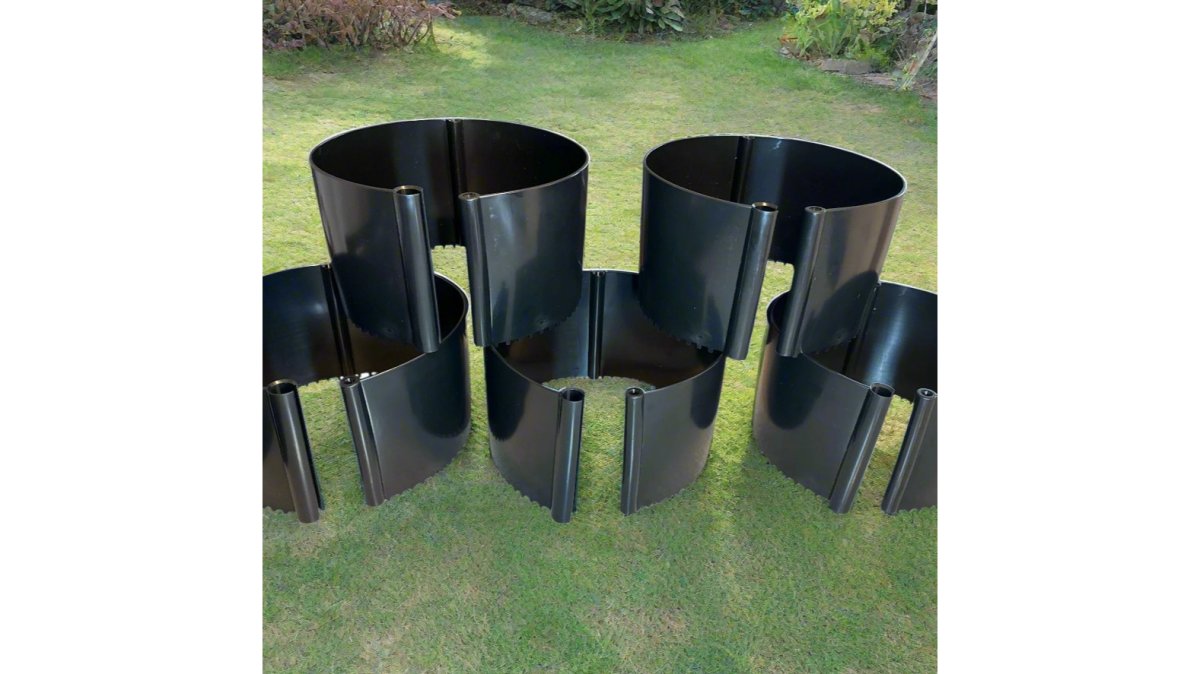
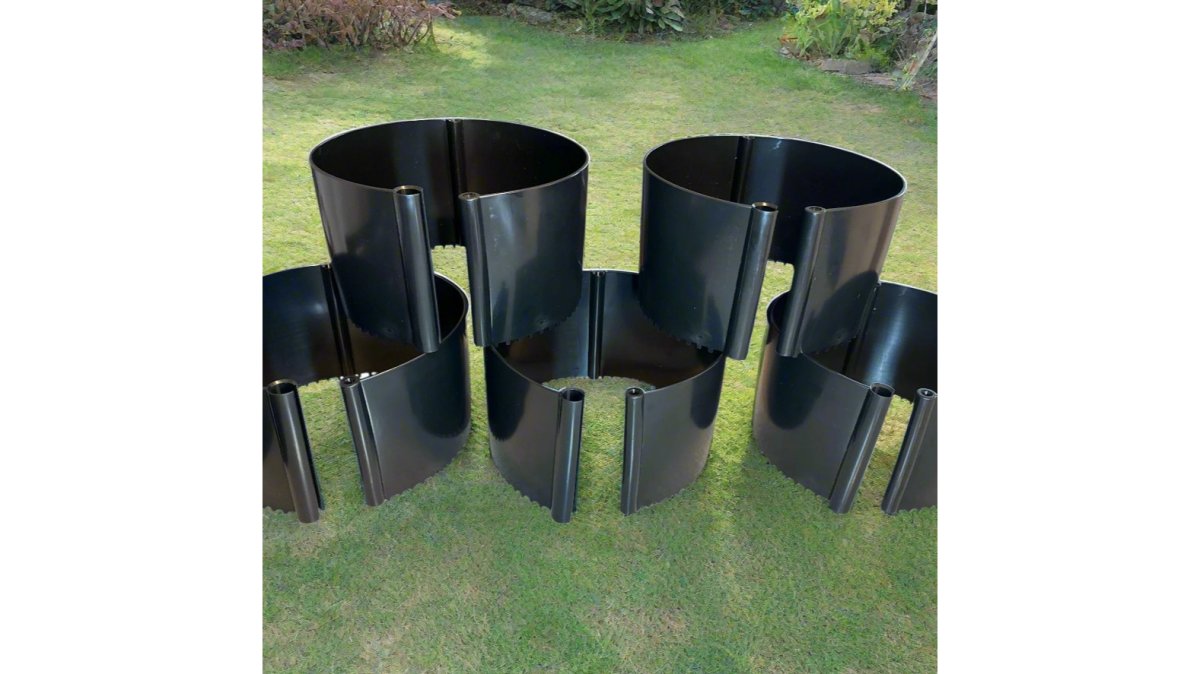
The Garden Water Ring delivers this benefit through a simple design. The ring installs approximately 2 inches into the soil with the teeth facing downward, holding up to 2 gallons of water that soaks directly into the root zone, concentrating nutrients where the plant needs them most.

Fertilizer applied to the root zone reaches roots immediately instead of washing away, improving nutrient uptake and plant strength.
Signs of Overwatering Pepper Plants and How to Fix It
Overwatering causes root rot, the most common pepper plant killer. Overwatering symptoms can look similar to underwatering, the key is reading the soil alongside the plant's appearance.
Visual Signs of Overwatering:
- Lower-leaf yellowing that progresses upward: Overwatering typically yellows the lowest leaves first as roots lose oxygen. The yellowing spreads upward over days.
- Wilting despite wet soil: This is the telltale sign. If leaves droop but soil is moist 2 inches below the surface, overwatering is the cause, not drought.
- Soft, mushy stems near the soil line: Gently press the stem at the base. Overwatered plants develop soft, blackened tissue as fungi attack weakened roots.
- Fungal smell from soil: A sour, musty odor indicates anaerobic conditions and root decay.
- Leaf curl with dark spots: Leaves may curl downward and develop dark, water-soaked spots before yellowing.
How Overwatering Differs from Underwatering:
Underwatering yellows upper leaves first and causes crispy leaf edges; soil feels bone-dry. Underwatering wilting stops immediately after watering, while overwatering wilting persists because roots are damaged.
Immediate Steps to Recover an Overwatered Plant:
- Stop watering for 3-5 days to let soil dry significantly.
- Check and clear drainage holes to remove any blockage.
- Improve air circulation with a fan or open window to help soil dry faster.
- Repot if root rot is severe. If the plant doesn't recover in a week, repot into fresh, dry potting mix and trim blackened roots.
- Adjust your watering schedule to water only when soil is dry 2 inches below the surface.
Prevention is Easier Than Recovery:
Prevention is best: use well-draining potting mix in containers, not garden soil. In garden beds, ensure water drains within 24 hours.
Soil Drainage, Mulch, and Container Considerations
Soil drainage determines how quickly water moves through the root zone. Poor drainage traps water around roots. Good drainage lets water soak in and excess drain away. Pepper plants need soil that drains well but retains moisture between waterings.
Adjusting Your Watering Schedule by Season and Temperature
Watering needs change throughout the year. Spring and fall require less frequent watering than summer. Winter dormancy means minimal watering for plants kept indoors.
Conclusion
Watering techniques for pepper plants determine success or failure in the garden. The right approach delivers water directly to roots, reduces waste, and promotes healthy growth. Check soil moisture before watering. Water deeply but infrequently. Use mulch to retain moisture. Improve drainage in containers and beds.
Frequently Asked Questions
Do peppers need to be watered every day?
Pepper plants typically need water when the top inch of soil feels dry, which is often every 2-3 days in warm weather but may be less frequent during cooler periods. Daily watering isn't always necessary and can lead to overwatering. Check soil moisture before watering rather than following a fixed schedule. Container peppers may dry out faster than garden-bed peppers and may need more frequent watering.
How can I tell if my pepper plants are overwatered?
Signs of overwatering pepper plants include yellowing leaves, wilting despite wet soil, soft or mushy stems, and a sour smell from the soil indicating root rot. Overwatered peppers also show slower growth and may drop flowers or fruit. If you notice these symptoms, reduce watering frequency and ensure your soil has good drainage. Let the soil dry out slightly between waterings to recover the plant.
What is the best time of day to water pepper plants?
Water pepper plants early in the morning, ideally before 9 AM. Morning watering allows foliage to dry quickly, reducing disease risk, and gives plants moisture for the hot part of the day. Avoid watering in the evening, as wet leaves overnight create conditions for fungal diseases. If you must water during the day, water the soil directly at the base rather than the leaves.
How does root-zone watering benefit pepper plants?
Root-zone watering delivers water directly to the soil around the plant's roots where it's needed most, reducing runoff and evaporation. This method helps peppers develop deeper, stronger root systems and improves nutrient uptake. Concentrating water in the root zone also reduces weed growth and means you can water less frequently while keeping plants healthier and more productive during the growing season.


Leave a comment
This site is protected by hCaptcha and the hCaptcha Privacy Policy and Terms of Service apply.