
Table of Contents
- Start with a Simple Plan: Easy Garden Hacks That Actually Work
- How to Keep Garden Soil Moist Without Constant Watering
- How Often to Water a Vegetable Garden (and How to Water Smarter)
- Easy Vegetables to Grow for Beginners
- Raised Bed Gardening Tips for Small Spaces
- Frugal Garden Hacks: Seeds, Tools, and Household Items
- Troubleshooting Common Beginner Problems
- Frequently Asked Questions
Last Updated: October 20, 2026
Start with a Simple Plan: Easy Garden Hacks That Actually Work
Easy garden hacks for beginner gardeners work best when they follow a plan instead of a pile of random tips. This guide from Garden Water Ring turns the most popular shortcuts into a simple first-season roadmap. Below, you'll find the steps that matter most, the hacks worth skipping, and the habits that keep plants alive through July.

The core idea is simple: most beginner gardens fail from too much water in one spot and too little in another. Fix that, and everything else gets easier.
Pick a Sunny Spot and Test Your Soil
Most vegetables need six to eight hours of direct sun. Watch a candidate spot for a full day before digging anything. Morning sun dries dew faster, which keeps leaves healthier.
For soil, skip the store-bought test kit guesswork. Many state extension programs run low-cost soil tests, and the USDA's soil health guidance explains what results mean. A test tells you pH and nutrient levels before you waste money on fertilizer.
Keep a Garden Notebook
A cheap notebook beats a fancy app for most beginners. Write down three things each week:
- What you planted and where
- What the weather did
- What looked healthy and what didn't
Two seasons of notes will teach you more about your own yard than any generic guide.
How to Keep Garden Soil Moist Without Constant Watering
The best way to keep garden soil moist is to slow water down so it soaks in instead of running off.
Mulch is the cheapest fix. Two to three inches of straw, shredded leaves, or untreated grass clippings on top of the soil cuts evaporation and keeps the surface cooler.
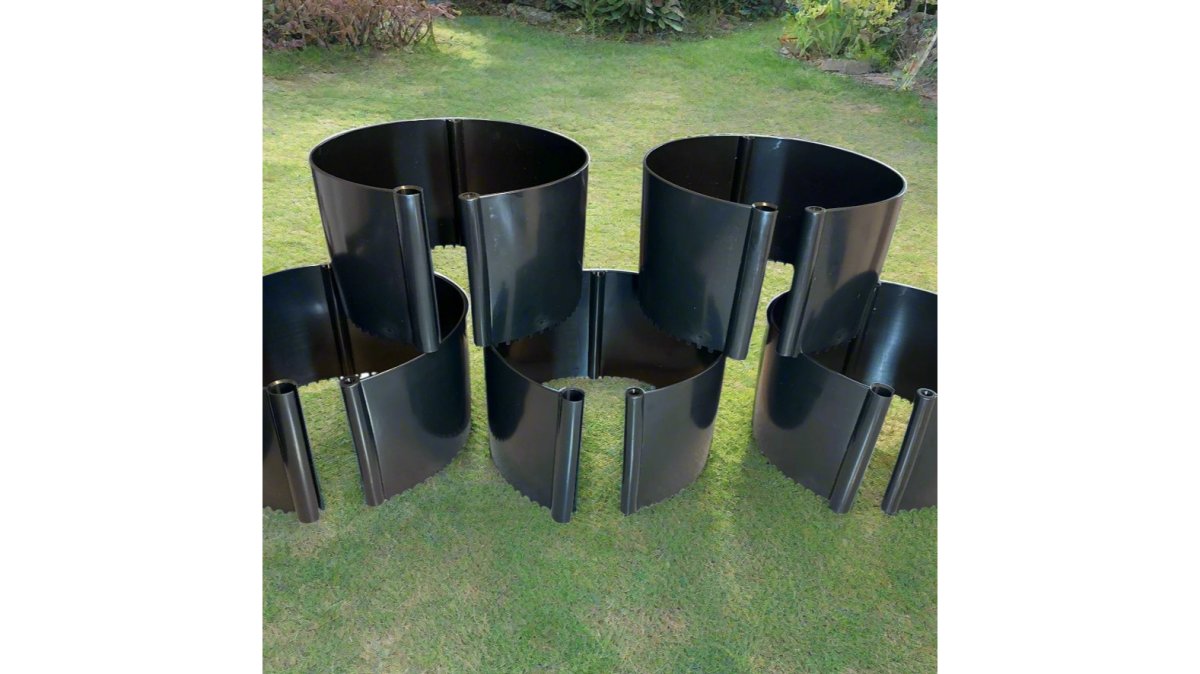
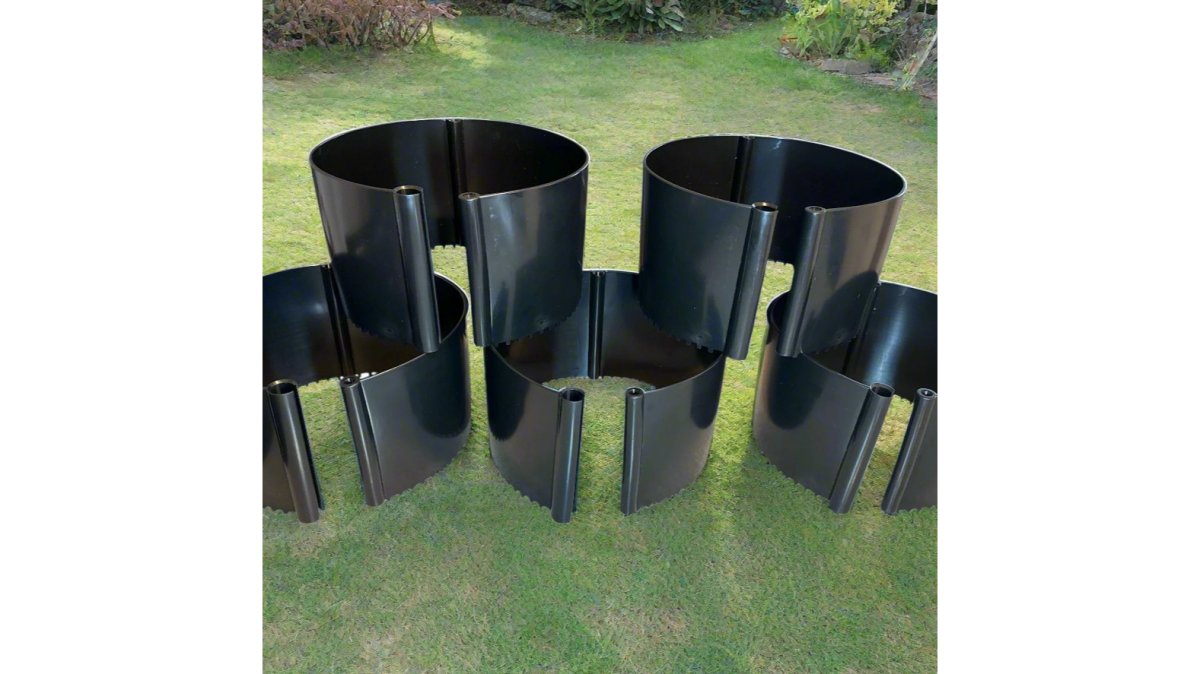
Then there's root-zone watering. A product like Garden Water Ring sits around the plant base and holds up to 2 gallons, releasing water slowly into the soil right where roots feed.
How Often to Water a Vegetable Garden (and How to Water Smarter)
Most vegetable gardens need about one inch of water per week, including rain. That figure comes from university extension watering guidance and similar state extension programs, and it is a starting point, not a fixed rule. The number that actually matters is how deep that inch reaches. One inch of water soaks roughly the top six inches of a loamy soil, about the depth of a healthy vegetable root zone, but it barely wets sandy ground and can sit on top of heavy clay.
Measure Instead of Guessing
A rain gauge or a straight-sided tuna can set in the bed tells you what fell. To measure what you apply, run your hose into a bucket for the same number of minutes you water a bed, then check the depth. That converts "I watered for a while" into inches. Once you know your hose delivers, say, a half inch in ten minutes, you can hit one inch in two passes instead of one long flood that runs off.
Adjust for Soil, Season, and Stage
- Sandy soil drains fast and may need two lighter soakings per week rather than one heavy one.
- Clay soil absorbs slowly, so water in short cycles with a pause between them to let it soak in.
- Containers dry far faster than ground beds and often need daily checking in midsummer.
- Young transplants have shallow roots and need small, frequent drinks until they establish.
- Fruiting plants, tomatoes, peppers, squash, need the steadiest moisture of all, because swings from bone-dry to soaked invite blossom end rot and cracking.
Cool spring weather can stretch the interval to a week or more; a July heat wave can cut it in half. Frost dates and peak summer heat vary widely by hardiness zone, so check your local extension office's planting calendar rather than following a national schedule.
Check Moisture Before You Water
Stick a finger two inches into the soil. If it is dry at that depth, water. If it is damp, wait a day. For a deeper read, a wooden dowel or a cheap moisture meter pushed to six inches shows whether the subsoil is still holding water. This one habit prevents more plant deaths than any gadget.
Water deeply and less often. Shallow daily sprinkling trains roots to stay near the surface, where they dry out fast. Deep soakings push roots down and build a plant that can ride out a dry stretch.
Water Smarter at the Root Zone
Where the water lands matters as much as how much you apply. Overhead watering wets leaves, feeds weeds between plants, and loses a share to evaporation before it ever reaches a root. Delivering water at the base of each plant concentrates it where roots feed.
A product like Garden Water Ring sits around the plant base, holds up to 2 gallons, and releases water slowly into the soil right at the root zone. It reduces runoff and evaporation, promotes deeper root development, and cuts unnecessary watering between plants.
Easy Vegetables to Grow for Beginners
The easiest vegetables for beginners are the ones that forgive mistakes: bush beans, zucchini, lettuce, radishes, cherry tomatoes, and peppers. These germinate reliably, grow fast, and don't demand perfect soil.
Skip anything fussy in year one. Cauliflower, celery, and eggplant punish inconsistent watering. Save those for season two.
Start Seeds Indoors to Save Money
A packet of seeds costs far less than nursery starts, and one packet often covers several seasons. Start tomatoes and peppers indoors six to eight weeks before the last frost. Use egg cartons, yogurt cups with drainage holes, or any clean container.
Label everything. Every seedling looks identical for the first two weeks.
Raised Bed Gardening Tips for Small Spaces
Raised beds solve two beginner problems at once: bad native soil and poor drainage. A bed that's 4 feet wide lets you reach the middle from either side, and 10 to 12 inches of depth handles most vegetables.
Fill beds with a mix of topsoil and compost rather than garden soil alone. Raised beds dry out faster than ground beds, so mulch matters even more.
Spacing, Shade, and Secondhand Tools
Follow seed packet spacing. Crowded plants compete for water and light, and close planting invites mildew.
For shade, put lettuce and greens on the shadier side and tomatoes in full sun.
Tools don't need to be new. Secondhand stores and neighborhood groups regularly sell trowels, hoes, and buckets for a fraction of retail. A sturdy trowel, a hand cultivator, gloves, and a bucket cover most beginner jobs.
Frugal Garden Hacks: Seeds, Tools, and Household Items
Frugal gardening comes down to three moves: start from seed, share tools, and reuse what you already own. Seed swaps and library seed programs offer free varieties. Neighbors often split tool purchases. And household items cover a surprising amount of garden gear. The trick is telling the hacks that work from the ones that just get repeated.
Which Household Hacks Are Safe?
Popular household hacks fall into three groups: ones with a real mechanism behind them, ones that help a little, and ones that can backfire. Here is the honest breakdown, with the reason each one lands where it does.
| Hack | Verdict | Why it works or doesn't |
|---|---|---|
| Eggshells for calcium | Weak | Eggshells are mostly calcium carbonate, which breaks down too slowly to correct a deficiency in a single season. Crush them fine and compost them instead of expecting a fix. |
| Banana peels buried near plants | Mild help | They add some potassium as they rot, but the amount is small and uneven. Composting them first spreads the benefit more reliably. |
| Coffee grounds as mulch | Good, in thin layers | A thin layer improves soil structure and adds organic matter. Thick layers cake, repel water, and can mat into a barrier. |
| Crushed eggshells against slugs | Limited | Only works when dry and sharp; rain dulls the edges fast. |
| Wine bottle slow watering | Works short-term | Good for a weekend, not a season, the flow rate is unpredictable and the bottle tips. |
| Cardboard under mulch | Works well | Smothers weeds and breaks down into organic matter. Use plain, uncoated cardboard and overlap the seams. |
| Wood ash for potassium | Use with caution | Raises soil pH, which can lock up nutrients. Only apply if a soil test says your pH is low. |
| Epsom salt for magnesium | Only if a test says so | Adding magnesium without a deficiency can throw off nutrient balance. |
The Rule Behind Every Hack
Most household hacks work or fail for one reason: whether they change soil chemistry, soil structure, or surface moisture. Eggshells and wood ash change chemistry slowly and unpredictably. Coffee grounds and cardboard change structure. A wine bottle changes surface moisture for a short time.
That is why a soil test is the best frugal investment a beginner can make. Many state extension programs run low-cost tests, and the USDA's soil health guidance explains what the results mean.
Test on a Small Patch First
A bad shortcut costs a season; a small test costs a week. Try any new household material on one bed or a few plants before spreading it across the garden. Watch for yellowing, wilting, or slowed growth over two to three weeks. If nothing changes for the better, stop.
Where the Real Savings Are
The biggest frugal wins aren't household tricks, they are seeds, sharing, and reuse. A packet of seeds costs far less than nursery starts and often covers several seasons. Seed libraries and neighborhood swaps trade varieties for free. Secondhand stores and community groups regularly sell trowels, hoes, and buckets for a fraction of retail. And a reusable root-zone watering ring replaces a season's worth of disposable watering gadgets, which is frugal and simpler at the same time.
Troubleshooting Common Beginner Problems
Yellow leaves usually mean too much water, not too little. Check drainage before adding fertilizer.
Leggy seedlings need more light, not more food. Move them closer to a window or add a shop light.
Blossom end rot on tomatoes traces back to uneven watering, not just calcium. Steady moisture fixes it more reliably than any spray.
Weeds between plants are a moisture problem in disguise. They steal water from your crops. A ring around each plant keeps water targeted.
A first garden doesn't need expensive gear or perfect soil.
Frequently Asked Questions
What are some easy garden hacks for a total beginner?
Start small. Pick a sunny spot, test your soil, and choose beginner-friendly crops like lettuce, radishes, and bush beans. Use mulch to hold moisture, water deeply at the base of plants instead of overhead, and keep a notebook to track what works. Reuse household items for seed-starting containers and look for free or secondhand tools. These garden hacks reduce cost and effort while you build essential gardening skills.
How often should beginner gardeners water a vegetable garden?
Most vegetable gardens need about 1 inch of water per week from rain or watering, delivered deeply once or twice rather than daily light sprinkling. Check soil moisture by digging down a few inches before watering. In hot, dry weather you may need to water more often; in cool or rainy weeks, less. Root-zone watering tools like Garden Water Ring help concentrate water where roots need it and reduce runoff and evaporation.
How can I keep garden soil moist in a raised bed?
Raised beds dry out faster because they drain well and warm up quickly. Add compost to improve water retention, apply a 2-3 inch layer of mulch, and water deeply at the root zone rather than the surface. A root-zone watering ring that holds up to 2 gallons can slow water release around each plant, helping keep soil moist. Group plants with similar water needs together.
Are popular household garden hacks like eggshells and coffee grounds safe?
Some household items help, but evidence varies. Eggshells break down slowly and are not a quick calcium fix; crush them and compost them instead. Coffee grounds can be added to compost or used as a thin mulch, but avoid thick layers that mat and repel water. Banana peels belong in the compost bin. Rinse and reuse sturdy containers for seed starting. Check with your local university extension for guidance on soil amendments.

Leave a comment
This site is protected by hCaptcha and the hCaptcha Privacy Policy and Terms of Service apply.