Table of Contents
- What Drip Irrigation Does for Small Gardens
- Drip Irrigation Pros and Cons for Home Gardeners
- Best Irrigation System for a Small Garden
- How Often to Water a Vegetable Garden
- Real Costs and Setup Effort for Small Spaces
- Making the Decision: Is It Worth It for You?
- Frequently Asked Questions
Last Updated: October 14, 2026
What Drip Irrigation Does for Small Gardens
For small gardens, drip irrigation works by running tubing along plant rows. Water drips through emitters positioned near each plant's root zone.
Small vegetable gardens benefit most from drip systems because they concentrate water in tight spaces. Tomatoes, peppers, cucumbers, and squash all thrive with consistent root-zone moisture.
The core advantage is efficiency. According to the EPA's water conservation guidance, drip irrigation can reduce water use by 30-50% compared to overhead watering methods.
Drip Irrigation Pros and Cons for Home Gardeners
Pros of drip irrigation for small gardens:
- Saves water by eliminating runoff and evaporation
- Delivers nutrients directly to roots where plants can absorb them
- Reduces leaf wetness, which lowers disease risk
- Cuts watering frequency once the system runs
- Works on slopes and uneven ground
- Reduces weed growth by keeping soil dry between plant rows
- Allows flexible scheduling with timers
Cons of drip irrigation for small gardens:
- Emitters clog if water contains sediment or minerals
- Initial setup requires planning and tubing layout
- Tubing degrades over time from sun exposure
- Seasonal changes mean adjusting water flow rates
- Winterizing adds an extra step in cold climates
- Small leaks can waste water if not caught early
The trade-off is simple: you gain water efficiency and consistent plant health, but you trade hands-on simplicity for a system that needs occasional attention.
Best Irrigation System for a Small Garden
Choosing between drip irrigation, hand watering, and soaker hoses depends on garden size, available time, and how much water conservation matters to you.
Drip Irrigation vs Hand Watering
Hand watering gives you complete control and requires no setup. You turn on the hose and water each plant until soil is moist.
Drip irrigation takes more time upfront to install but saves time later. Once tubing is laid and emitters positioned, water runs automatically on a timer. You check soil moisture occasionally but don't hand-water daily.
For gardens under 100 square feet, hand watering is faster to start. For gardens over 200 square feet, drip irrigation saves hours over a growing season.
Hand watering works best if:
- Garden is under 50 square feet
- You enjoy the routine of daily watering
- Water pressure is inconsistent or unreliable
- You want flexibility to adjust water amount per plant
Drip irrigation works best if:
- Garden is 100+ square feet
- You water frequently during hot months
- Soil drains quickly and plants need consistent moisture
- You want to reduce water bills
Soaker Hoses as an Alternative
Soaker hoses are porous tubing that leaks water along their entire length. They're cheaper than drip systems and easier to install, just lay them on soil and cover with mulch.
Soaker hoses work well for straight rows and simple layouts. They deliver water slowly to the root zone, similar to drip irrigation. The downside is that water distribution is uneven. The beginning of the hose gets more water pressure than the end.
Soaker hoses are best for:
- Budget-conscious gardeners
- Simple, linear garden layouts
- Gardens under 200 square feet
- Temporary or seasonal gardens
Drip irrigation offers more control and precision. Emitters let you adjust water flow to match plant spacing.
How Often to Water a Vegetable Garden
Watering frequency depends on soil type, air temperature, plant stage, and rainfall. Most vegetable gardens need water when the top inch of soil is dry.
Check soil moisture by pushing a finger into the ground near plant roots. If soil feels dry at one inch deep, it's time to water. If soil is still moist, wait another day or two.
Most vegetables need:
- 1 inch of water per week during cool months
- 1.5 to 2 inches per week during hot months
- More frequent watering on sandy soil
- Less frequent watering on clay soil
Young seedlings need gentle, consistent moisture. Established plants tolerate drier soil between waterings. Fruiting plants like tomatoes and peppers need steady water once flowers appear.
Real Costs and Setup Effort for Small Spaces
Most drip-irrigation articles tell you a system is 'affordable' without showing what you actually buy. For a small garden, the honest answer is that the bill of materials is short, but the number of small parts adds up, and the setup time depends almost entirely on how many plants you are trying to reach.
What a Small-Garden Drip Setup Actually Includes
A basic kit for one raised bed typically contains:
- A backflow preventer or vacuum breaker that threads onto the hose bib
- A pressure regulator to step household pressure down to the range drip emitters are designed for
- A filter or screen to catch sediment before it reaches the emitters
- Mainline tubing, usually 1/2-inch, run along the bed
- Drip line or 1/4-inch micro-tubing branching to each plant
- Emitters, either built into the drip line at a fixed spacing or punched in individually
- Goof plugs for closing holes you no longer need
- Stakes or ground staples to hold tubing down
- An optional battery or hose-end timer
Each of those parts is inexpensive on its own. The cost pressure comes from quantity: a 4-by-8-foot bed with tomatoes, peppers, and cucumbers spaced 18 to 24 inches apart can easily need 10 to 20 emitters, plus the fittings to connect them.
Setup Time by Garden Type
A single raised bed with a simple run of drip line and a timer is a 1- to 2-hour project for a first-timer.
Containers are a different job. A row of pots on a patio usually needs a short mainline, a few micro-tubing drops, and one emitter per pot. That is often under an hour, but it also means the system has to be re-run whenever you rearrange the pots.
The Effort Nobody Mentions Up Front
The installation is the easy part. The recurring effort is:
- Flushing the lines at the start of the season to clear sediment
- Checking emitters for clogs, especially in areas with hard water
- Re-positioning tubing when you rotate crops or replant a bed
- Draining and storing the system before the first hard freeze
That last point matters more than most guides admit. In cold-winter areas, water left in tubing and emitters can freeze and split the plastic, so the system has to come apart in fall and go back together in spring. If your beds change layout every season, that re-installation cost in time is real.
A Lower-Effort Alternative for Root-Zone Watering
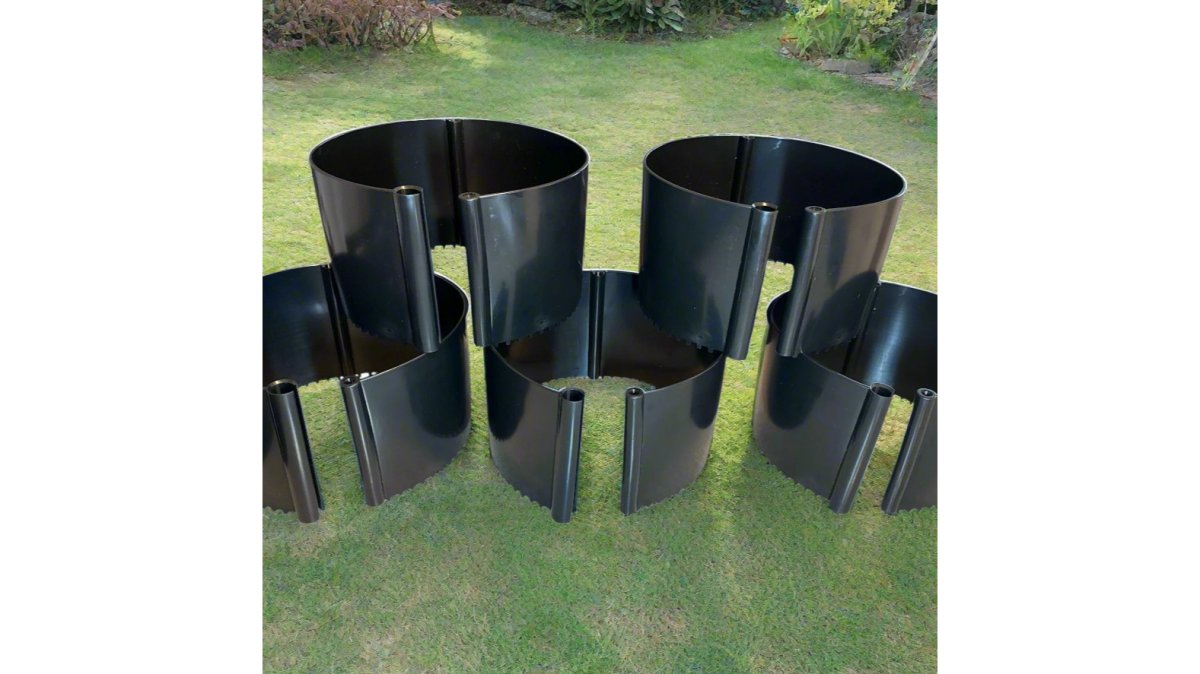
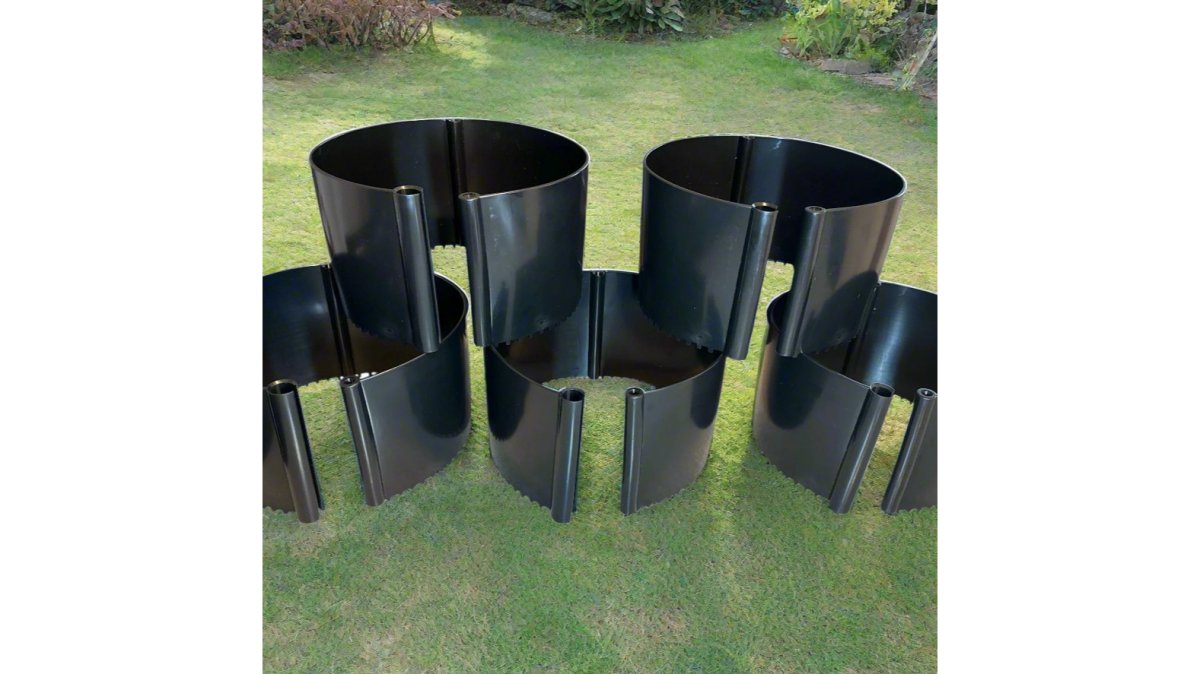
If the bill of materials above is more than you want to manage, the Garden Water Ring is a one-piece alternative that skips tubing, emitters, filters, and timers entirely. It concentrates water and fertilizer around the plant's root zone, helps reduce runoff and evaporation, promotes deeper root development, and works on mild slopes. Plus, with Free Shipping in the USA, you can start with one or two rings and add more as you see how they work for your garden.

Making the Decision: Is It Worth It for You?
To answer whether is drip irrigation worth it for small gardens, work through the questions below in order. The first one you answer 'no' to is usually where drip irrigation stops being worth it for a small garden.
1. How Many Beds or Containers Are You Watering?
One or two raised beds, or a patio of pots, is small enough that hand watering with a hose or watering can is genuinely competitive. Once you are maintaining four or more beds, or a mix of beds and containers spread across the yard, the time cost of hand watering starts to outweigh the setup cost of tubing.
2. Does Your Layout Stay Put?
Drip tubing is laid out for a specific arrangement of plants. If you rotate crops, replant beds with different spacing each season, or move containers around, you will be re-running lines regularly. Gardeners with stable layouts, perennial beds, fixed raised beds with permanent trellises, get far more value from a drip system than gardeners who redesign their space every spring.
3. How Often Are You Actually Home?
This is the single biggest swing factor. If you travel for work, take long weekends away, or work long hours in summer, a timer-driven system earns its keep because it waters whether you are there or not. If you are home most days and enjoy being in the garden, hand watering is not the burden that drip-system marketing makes it out to be.
4. What Is Your Water Situation?
If you pay for municipal water and your rates are high, the efficiency gain from root-zone delivery pays back faster. If you are on a private well with plenty of capacity, or you garden in a region with reliable summer rainfall, the payback is slower and the case is weaker. The EPA's water conservation guidance notes that efficient delivery methods reduce waste, but the dollar value of that reduction depends entirely on what you pay per gallon.
5. What Are You Growing?
Consistent-moisture crops, tomatoes, peppers, cucumbers, squash, and most leafy greens, respond well to steady root-zone watering. Crops that tolerate drying out between waterings, like beans and many root vegetables, give you more slack if you miss a day. If most of your garden is in the first group, the case for a system strengthens.
A Short Decision Framework
| Your situation | Likely answer |
|---|---|
| 1-2 beds, home daily, reliable rainfall | Hand watering is probably enough |
| 1-2 beds, travel often, dry climate | A timer-based system earns its keep |
| 4+ beds or mixed beds and containers | A system saves meaningful time |
| Layout changes every season | Re-installation cost is high; consider a per-plant approach |
| Containers on a patio | Short runs work, but expect to re-route when you rearrange |
Where a Per-Plant Approach Fits
If your answers point toward 'not worth it' for a full drip layout, small garden, changing layout, or you simply do not want to manage tubing, a per-plant root-zone watering product can capture most of the efficiency benefit without the installation overhead. The Garden Water Ring is a patented, reusable, USA-made option: one continuous one-piece unit that opens and closes with a sliding male/female locking system, holds up to 2 gallons, and installs in minutes with no tools.
Frequently Asked Questions
Is drip irrigation worth it for a small garden?
For small gardens, drip irrigation can reduce water waste and cut watering frequency, but the value depends on your space size, climate, and time constraints. A small raised bed or container garden might benefit more from simpler solutions like soaker hoses or targeted watering rings that deliver water directly to the root zone without the complexity of a full system. Calculate your water savings and installation effort before committing.
What are the main pros and cons of drip irrigation?
Pros include precise water delivery to roots, reduced runoff and evaporation, lower water bills, and less frequent watering. Cons include upfront equipment costs, potential clogging of emitters and tubing, maintenance requirements, and complexity for beginners. For small gardens, the setup effort may outweigh benefits unless you have a dry climate or steep terrain where water loss is severe.
How often should you water a vegetable garden with drip irrigation?
Most vegetables need 1 to 2 inches of water per week, delivered through drip systems in fewer, deeper sessions rather than daily shallow watering. Drip irrigation lets you water less frequently because water reaches the root zone directly instead of evaporating from the soil surface. Adjust frequency based on soil type, rainfall, temperature, and plant stage. Sandy soil may need watering every 2-3 days, while clay holds moisture longer.
Can I use a watering ring instead of a drip irrigation system for my small garden?
Yes. A watering ring like the Garden Water Ring concentrates water and fertilizer at the root zone without tubing, emitters, or timers. It holds up to 2 gallons, reduces runoff and evaporation, and works on slopes. For small vegetable gardens, raised beds, or container plantings, a ring offers simplicity and durability without the maintenance of a full drip system.

Leave a comment
This site is protected by hCaptcha and the hCaptcha Privacy Policy and Terms of Service apply.