
Table of Contents
- Why Weeds Around Vegetable Plants Matter
- How to Keep Garden Soil Moist While Controlling Weeds
- Best Mulch for Vegetable Gardens
- Hand Pulling and Hoeing: Effective Manual Weed Control
- Pre-Emergent and Organic Herbicide Strategies
- Preventing Weeds in Raised Beds and Container Gardens
- Advanced Weed Control: Flame Weeding and Ground Covers
- Seasonal Weed Management Calendar for Vegetables
- Frequently Asked Questions
Last Updated: September 18, 2026
Why Weeds Around Vegetable Plants Matter
Weeds compete directly with your vegetables for water, nutrients, and sunlight. Early weeds spread seeds that create bigger problems later in the season.
Weeds harbor pests and diseases that damage vegetables and make your garden harder to maintain.
The good news: to stop weeds around vegetable plants doesn't require chemicals or constant work. Simple, proven methods work reliably when you start early and stay consistent.
How to Keep Garden Soil Moist While Controlling Weeds
Moist soil prevents weed seed germination and keeps vegetables healthy.
Aim for soil that feels damp when squeezed, not waterlogged.
Water deeply and less often to encourage deep root growth and reduce weed germination near the surface.
Water early in the morning to reduce evaporation and prevent fungal diseases.
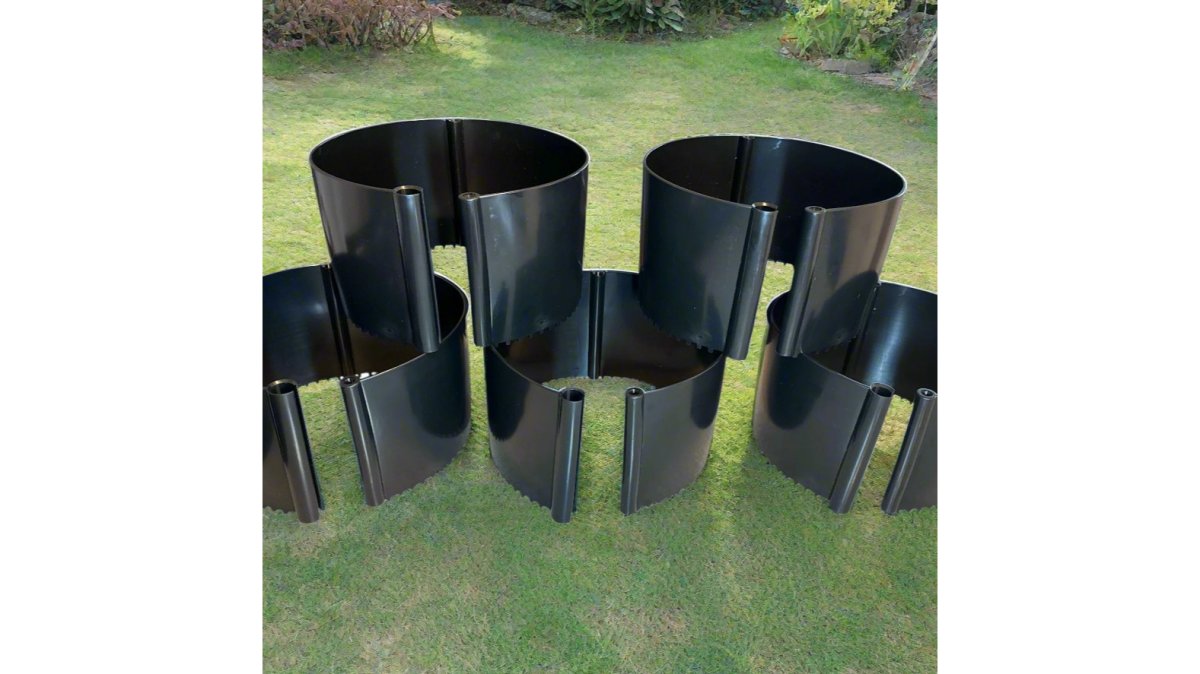
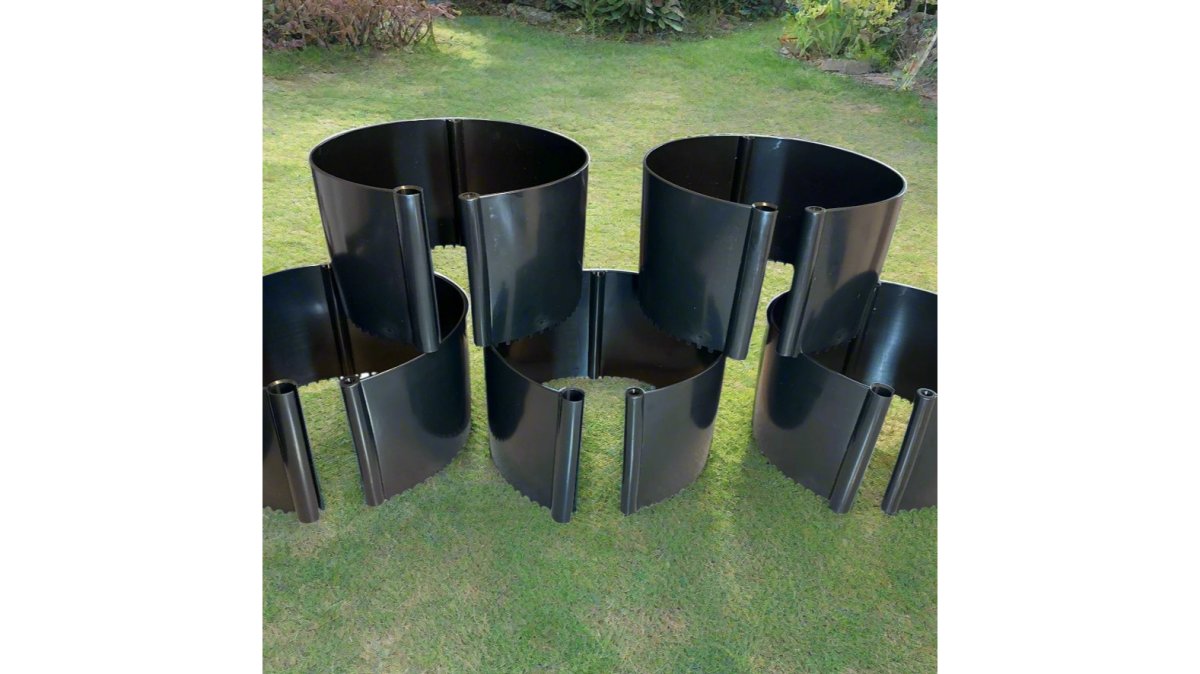
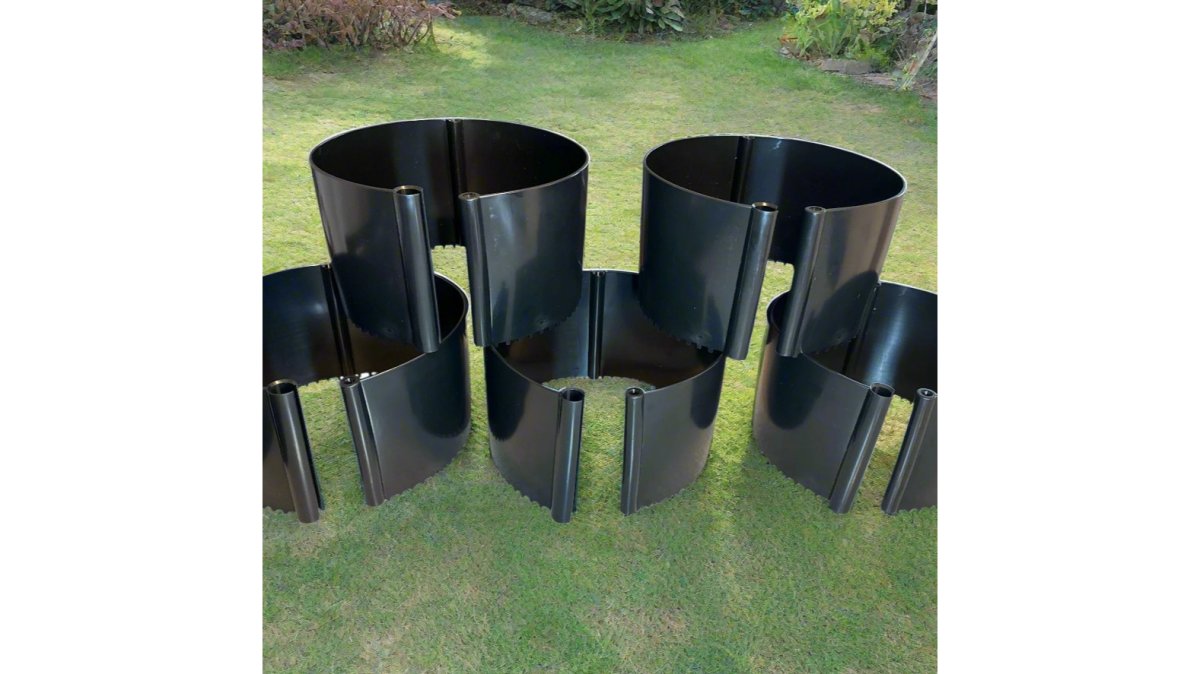
The Garden Water Ring delivers water directly to the root zone, preventing runoff while keeping soil consistently moist.
Moisture management steps:
- Water deeply, reaching 6-8 inches into the soil
- Water in early morning hours
- Use mulch to retain soil moisture between waterings
Best Mulch for Vegetable Gardens
Mulch is one of the most effective tools for stopping weeds around vegetable plants. A 2-3 inch layer blocks sunlight from reaching weed seeds, regulates soil temperature, and retains moisture.
Organic mulches work best for vegetables:
- Straw (not hay, which contains weed seeds)
- Wood chips from untreated wood
- Shredded leaves
- Grass clippings from untreated lawns
- Compost or aged manure
Apply mulch after soil warms in spring, leaving a 2-3 inch gap around plant stems to prevent rot.
Refresh mulch mid-season as it breaks down and adds organic matter to improve soil health.
Hand Pulling and Hoeing: Effective Manual Weed Control
To stop weeds around vegetable plants, hand pulling works best when soil is moist. Pull weeds when young, small weeds come out easily and haven't produced seeds.
Grasp the weed at the base. Pull slowly and steadily at an angle. This removes the entire root system instead of snapping the stem.
Hoe weekly between plants, slicing weeds just below the soil surface. This takes 10-15 minutes per week and prevents small weeds from becoming problems.
Manual weed control timing:
- Pull weeds when soil is moist
- Remove weeds when small (under 2 weeks old)
- Hoe between rows weekly
Pre-Emergent and Organic Herbicide Strategies
Corn gluten meal is a natural pre-emergent that inhibits root development in germinating seeds. Apply 4-6 weeks before planting cool-season crops (lettuce, spinach, peas) or when soil reaches 50°F for warm-season crops (tomatoes, peppers). One 50-pound bag covers about 1,000 square feet and is safe to reapply mid-season.
Vinegar-based sprays kill young weeds on contact using 20% acetic acid vinegar. Spray on sunny days above 65°F with no rain forecast for 24 hours. Works best on broadleaf weeds; reapply every 7-10 days as needed.
Baking soda solutions (1 tablespoon per gallon of water) work like vinegar but are gentler on sensitive seedlings. Results are slower, requiring multiple applications.
Boiling water is a zero-chemical option for spot treatment. Pour directly on weeds in pathways, cracks, or between pavers. It kills on contact and leaves no residue. This method is safest for established vegetable plants because you control exactly where the water lands, unlike sprays that drift.
Always follow label directions. Organic herbicides kill indiscriminately, so spray on calm days in early morning or late evening. Never spray if rain is forecast within 24 hours.
Organic weed control timing by vegetable type:
- Leafy greens (lettuce, spinach, kale): Apply corn gluten meal 4-6 weeks before planting; use vinegar spray for spot treatment between harvests
- Root crops (carrots, beets, radishes): Avoid herbicide sprays near seedlings; hand pull instead; apply corn gluten meal before planting
- Fruiting crops (tomatoes, peppers, squash): Wait until plants are 6+ inches tall before using vinegar spray; use boiling water in pathways
- Legumes (beans, peas): Corn gluten meal is safe; apply before planting; avoid vinegar spray on young plants
Preventing Weeds in Raised Beds and Container Gardens
Raised Beds
Raised beds limit weed sources and make pulling simpler.
Fill raised beds with weed-free soil. Use a 1:1:1 mix of topsoil, compost, and aged manure, or topsoil with a 4-inch compost layer on top. Avoid garden soil from existing beds, which contains dormant weed seeds.
Use landscape fabric rated for 5+ years under your raised bed to block weeds from the bottom. Extend it up the sides to prevent weeds at the edges.
Apply 3-4 inches of mulch in raised beds and refresh mid-season as it breaks down.
Container Gardens (Pots, Grow Bags, Large Planters)
Comparison: Raised Beds vs. Containers
| Factor | Raised Beds | Containers |
|---|---|---|
| Weed seed source | Landscape fabric blocks bottom; edges need monitoring | Potting mix is sterile; minimal weed pressure |
| Soil cost | Lower (topsoil + compost) | Higher (potting mix required) |
| Maintenance | Refresh mulch mid-season; pull edge weeds | Minimal; monitor drainage holes |
| Best for | Large-scale vegetable gardens | Small spaces, patios, balconies |
| Weed control effort | Moderate (mulch + pulling) | Minimal (soil quality does the work) |
Raised bed and container weed prevention checklist:
- Start with weed-free soil
- Install landscape fabric at the bottom of raised beds
- Apply 3-4 inches of mulch in raised beds; 1-2 inches in containers
- Pull edge weeds in raised beds immediately
- Use pot feet to elevate containers
- Refresh mulch mid-season in raised beds
- Replace potting mix annually in containers
Advanced Weed Control: Flame Weeding and Ground Covers
Flame weeding uses propane torches to kill weeds in seconds. Keep a water source nearby and never flame weed in dry conditions or near structures.
Seasonal Weed Management Calendar for Vegetables
Early spring tasks:
- Apply pre-emergent products before planting
- Prepare beds with weed-free soil
- Install landscape fabric in raised beds
- Apply 2-3 inches of mulch
Summer tasks:
- Hoe weekly between rows
- Pull any weeds that emerge
- Refresh mulch as it breaks down
- Water consistently to keep soil moist
Fall tasks:
- Remove spent plants immediately
- Clear fallen leaves and debris
- Pull any remaining weeds
- Add fall-cleaned leaves as mulch
Winter tasks:
- Clean and sharpen hoeing tools
- Collect leaves for spring mulch
- Order pre-emergent products
Seasonal weed control checklist:
| Season | Priority Task | Timing | Frequency |
|---|---|---|---|
| Spring | Apply pre-emergent, mulch beds | Before planting | Once |
| Spring | Hand pull emerging weeds | After germination | Weekly |
| Summer | Hoe between rows | Every 7-10 days | Weekly |
| Summer | Refresh mulch | Mid-season | Once |
| Fall | Remove spent plants | After harvest | Once |
| Fall | Pull remaining weeds | Before frost | Weekly |
| Winter | Plan and prepare | Off-season | As needed |
Stopping weeds around vegetable plants comes down to consistency and timing. Start early with mulch and soil preparation. Remove weeds when they're small. Use the right tools for each situation. The Garden Water Ring simplifies the moisture management piece, keeping soil consistently hydrated while reducing runoff, which means healthier plants and fewer weeds competing for resources. With Free Shipping!!!, it's easy to get started and reduce your watering frequency while improving weed control and plant health.
Frequently Asked Questions
What is the best way to stop weeds from growing around vegetable plants?
The most effective approach combines multiple methods: apply 2-4 inches of mulch to suppress germination, use landscape fabric or weed barriers under the mulch, hand-pull weeds when soil is moist to remove the entire root system, and apply pre-emergent herbicides early in the season. For vegetables, organic options like vinegar solutions or flame weeding work well. Consistent soil moisture and dense planting also reduce weed pressure by limiting available space and light for weed seeds to establish.
How do I prevent weeds without using chemicals in my vegetable garden?
Organic weed prevention relies on physical barriers and cultural practices. Mulch heavily with straw, wood chips, or compost to block sunlight from weed seeds. Use cardboard or landscape fabric as a soil barrier before mulching. Hand-pull weeds regularly when soil is moist to remove roots completely. Flame weeding with a propane torch kills weeds without chemicals. Plant vegetables close together to create dense ground cover that outcompetes weeds for nutrients and water. Vinegar solutions (5% acidity or higher) also work as a post-emergent organic herbicide for young weeds.
Is it safe to use mulch around vegetable plants?
Yes, mulch is safe and beneficial for vegetable plants. Organic mulches like straw, wood chips, and compost improve soil health, retain soil moisture, and suppress weeds. Keep mulch 2-3 inches away from plant stems to prevent rot and pest problems. Avoid dyed wood chips or glossy cardboard near edible crops. Mulch also moderates soil temperature and adds organic matter as it breaks down, improving long-term soil structure and nutrient uptake for healthier vegetable growth.
How does the Garden Water Ring help with weed control around vegetables?
The Garden Water Ring delivers water directly to the root zone, reducing surface moisture that encourages weed seed germination. By concentrating water at the plant's base rather than wetting the entire bed, it creates a drier environment around the soil surface where weeds sprout. Combined with mulch and other weed suppression methods, this targeted hydration approach minimizes weed pressure while ensuring vegetables get consistent, deep watering that encourages strong root development and reduces the need for frequent watering.

Leave a comment
This site is protected by hCaptcha and the hCaptcha Privacy Policy and Terms of Service apply.