
Table of Contents
- Why Garden Runoff Wastes Water and Starves Your Plants
- How to Fix Yard Drainage Problems Before You Plant
- 7 Best Ways to Stop Garden Runoff at the Root Zone
- DIY Rain Garden Installation: A Weekend Project That Soaks Up Runoff
- Tips for Gardening in Dry Climates Where Every Drop Counts
- Maintenance, Neighbor Etiquette, and When to Call a Pro
- Frequently Asked Questions
Last Updated: September 16, 2026
Why Garden Runoff Wastes Water and Starves Your Plants
When water sheets off a garden bed instead of soaking in, it takes your topsoil, fertilizer, and mulch with it. That is the core problem behind garden runoff: the water you paid for never reaches the roots, and the soil that feeds your plants ends up in the storm drain.
How to Fix Yard Drainage Problems Before You Plant
The cheapest time to solve drainage is before a single seedling goes in the ground; retrofitting after planting costs more effort and risks disturbing established roots. Start with the land, then handle roof water.
Regrading Slopes and Reshaping Beds
Landscape grading shapes soil so water moves where you want it: toward plants, not past them.
Downspout Redirection, Gutter Extensions, and Permeable Surfaces
Downspout redirection is the highest-impact change for most yards: a downspout emptying beside the foundation sends a concentrated stream across beds and toward the house.
| Problem | Fix | Where It Works Best |
|---|---|---|
| Water sheets off a slope | Shallow berm or level basins | Gentle to moderate slopes |
| Downspout floods a bed | Gutter extensions plus rain garden | Any roof-fed yard |
| Compacted, crusted soil | Compost plus mulch | Heavy clay, bare beds |
| Hard paving sheds water | Permeable pavers or gravel | Paths, patios, driveways |
7 Best Ways to Stop Garden Runoff at the Root Zone
These methods stop garden runoff once plants are in the ground by slowing, spreading, or capturing water before it leaves your beds.
1. Build Swales and Dry Creek Beds
A swale is a shallow, vegetated channel that slows and spreads water across a slope; a dry creek bed does the same with stone, handling heavier flows. Route either along the contour, not straight downhill, so water has time to infiltrate.
2. Install French Drains and Catch Basins
A French drain is a gravel-filled trench with a perforated pipe that collects subsurface water and moves it away. Catch basins sit at low points to intercept surface water before it pools.
3. Add Rain Barrels and a Catchment System
Rain barrels capture roof water at the downspout, giving you free irrigation and keeping that volume off your beds. A simple catchment setup links a barrel to a soaker hose or drip line.
4. Mulch, Ground Cover, and Landscape Fabric
Mulching is the fastest, cheapest fix for surface runoff: organic mulch absorbs impact, slows flow, and keeps soil from crusting. Ground cover plants do the same with living roots that build soil structure. Landscape fabric helps under gravel paths, but avoid it in planting beds, where it blocks the organic matter that improves infiltration.
5. Plant Trees and Shrubs for Absorption
Deep-rooted trees and shrubs act as living drainage: their roots open channels in the soil and their canopies break rainfall before it hits the ground. Place them where water tends to collect, planting them on the highest, driest ground does nothing for runoff.
6. Use Permeable Pavers and Gravel
Permeable surfaces let water soak in where it falls, so gravel paths and permeable pavers reduce the volume that reaches your beds. They will not fix a saturated clay yard alone, but they cut the load your other drainage has to handle.
7. Water Directly at the Root Zone
The most direct fix is to stop water from spreading at all. Root-zone watering delivers moisture exactly where roots can reach it, so less is lost to runoff and evaporation.
DIY Rain Garden Installation: A Weekend Project That Soaks Up Runoff
DIY rain garden installation is a weekend project that captures runoff in a shallow planted depression and lets it soak into the soil. You dig a basin, amend the soil, and plant species that tolerate both wet and dry spells. Done right, it turns a downspout problem into a landscape feature.
Size the Garden to the Water It Has to Handle
Most guides skip the math, and that is why so many rain gardens overflow. Extension programs size the garden at roughly 20 to 30 percent of the impervious area draining to it: a 1,000-square-foot roof section points to a rain garden of about 200 to 300 square feet.
Test Infiltration Before You Dig, Not After
A rain garden that drains too slowly becomes a mosquito nursery. Test percolation first:
- Dig a hole about 12 inches deep and 12 inches wide where the garden will sit.
- Fill it with water and let it drain completely. This first fill saturates the surrounding soil.
- Refill the hole and time how long the water takes to drop.
Amend the Soil and Pick the Right Plants
Mix compost into the excavated soil at roughly a one-to-three ratio of compost to native soil, and use the blend to backfill around your plants. Compost holds moisture for dry spells and keeps the soil open so water can move down.
Route the Overflow Somewhere on Purpose
Every rain garden needs an overflow path for the storm that exceeds its capacity. A shallow, vegetated channel carrying excess water to a lower part of the yard, a dry creek bed, or the street (if local rules allow) keeps a big storm from carving a new channel through your garden.
Tips for Gardening in Dry Climates Where Every Drop Counts
Gardening in dry climates changes the calculus: when rainfall is scarce, runoff is the difference between a harvest and a failure.
Beyond soil, three habits matter most:
- Water early in the morning or evening to cut evaporation losses
- Group thirsty plants together so one watering serves more roots
- Deliver water at the root zone rather than overhead
Maintenance, Neighbor Etiquette, and When to Call a Pro
Runoff fixes are not set-and-forget: swales silt up, French drains clog, and mulch breaks down. Below are the three things most runoff guides skip, a real maintenance schedule, the legal side of moving water off your property, and the line between a weekend fix and a job for a professional.
A Seasonal Maintenance Schedule That Prevents Failure
Most drainage systems fail slowly, not suddenly. A short seasonal check keeps everything working:
- Spring (after snowmelt, before heavy rain): Clear debris from swales, catch basins, and gutter extensions. Check that downspouts flow freely. Inspect berms for washouts and rebuild low spots.
- Summer: Top up mulch as it thins, a 2- to 3-inch layer is the target. Pull weeds from ground cover before they shade it out. Check rain barrel screens and clean them.
- Fall (the critical one): Clear leaves from gutters, swales, and dry creek beds before the first big storm. Leaves are the number-one cause of clogged drainage. Flush French drains if water stops moving through them.
- Winter: Before the ground freezes, confirm overflow paths are clear. Drain rain barrels so they do not crack, and disconnect hoses from spigots.
The Legal Side: Where Your Water Can and Cannot Go
This is the part most guides leave out, and the part that causes real disputes. Water you divert must not land on someone else's property in a way that causes damage. The general principle in most states is that a landowner may not concentrate and discharge surface water onto a neighbor in a way that causes harm, but details vary by state and sometimes by municipality.
A few practical rules that hold almost everywhere:
- Never aim a downspout, French drain outlet, or swale directly at a property line. Route discharge to your own rain garden, dry creek bed, or planted area.
- Do not increase the volume or velocity of water leaving your property compared to pre-development conditions. That is the standard many local stormwater ordinances use.
- Check local rules before discharging to the street or storm drain. Some municipalities allow it; others prohibit it because street discharge carries pollutants straight to waterways.
- If a shared slope is the source of a dispute, talk it through before you dig. A conversation costs nothing; a lawsuit over diverted water does not.
DIY vs. Professional: A Simple Decision Guide
Most garden runoff is a DIY problem. Some of it is not. Use this to decide:
| Situation | DIY or Pro? |
|---|---|
| Water sheeting across a bed on a gentle slope | DIY, berm, mulch, or root-zone watering |
| Downspout flooding a bed near the house | DIY, gutter extension plus rain garden |
| Persistent wet spot in the yard after rain | DIY first, French drain or catch basin |
| Water entering a basement or crawl space | Pro, this is a foundation issue, not a landscaping one |
| A slope that keeps sliding or eroding despite fixes | Pro, likely needs engineering, not mulch |
| Yard saturated for days after rain, every rain | Pro, likely a high water table or drainage design problem |
| Neighbor dispute over diverted water | Pro, start with your local stormwater office, then legal advice if needed |
Frequently Asked Questions
How do I direct water runoff in my yard without spending a fortune?
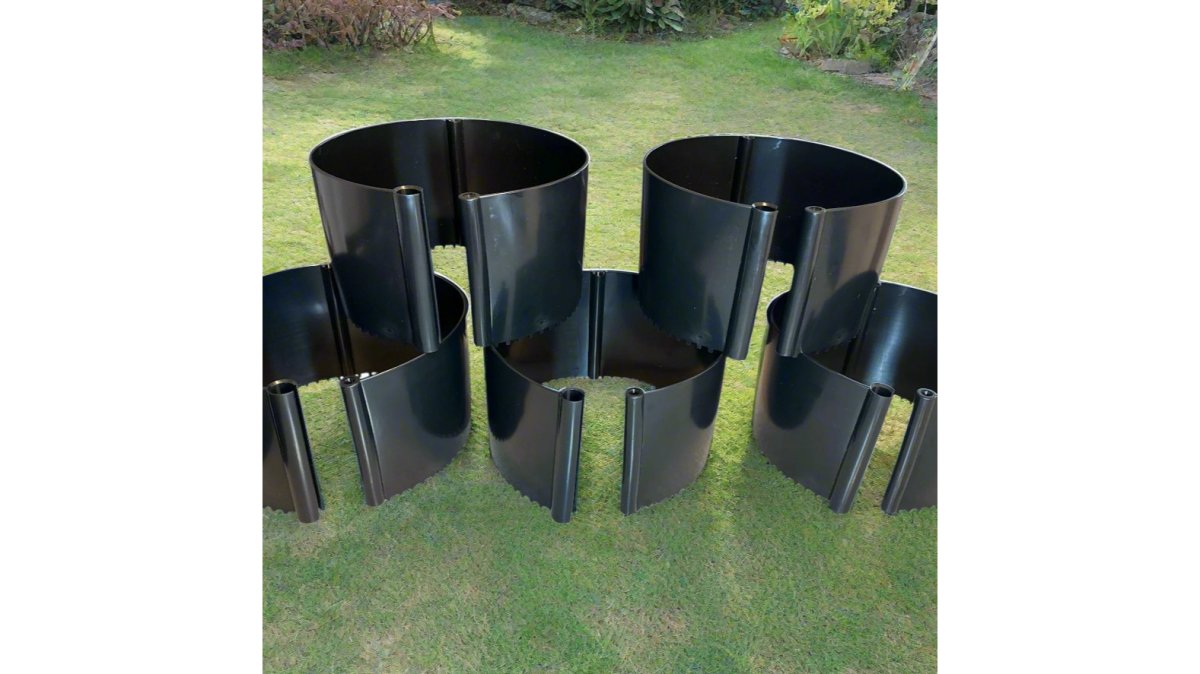
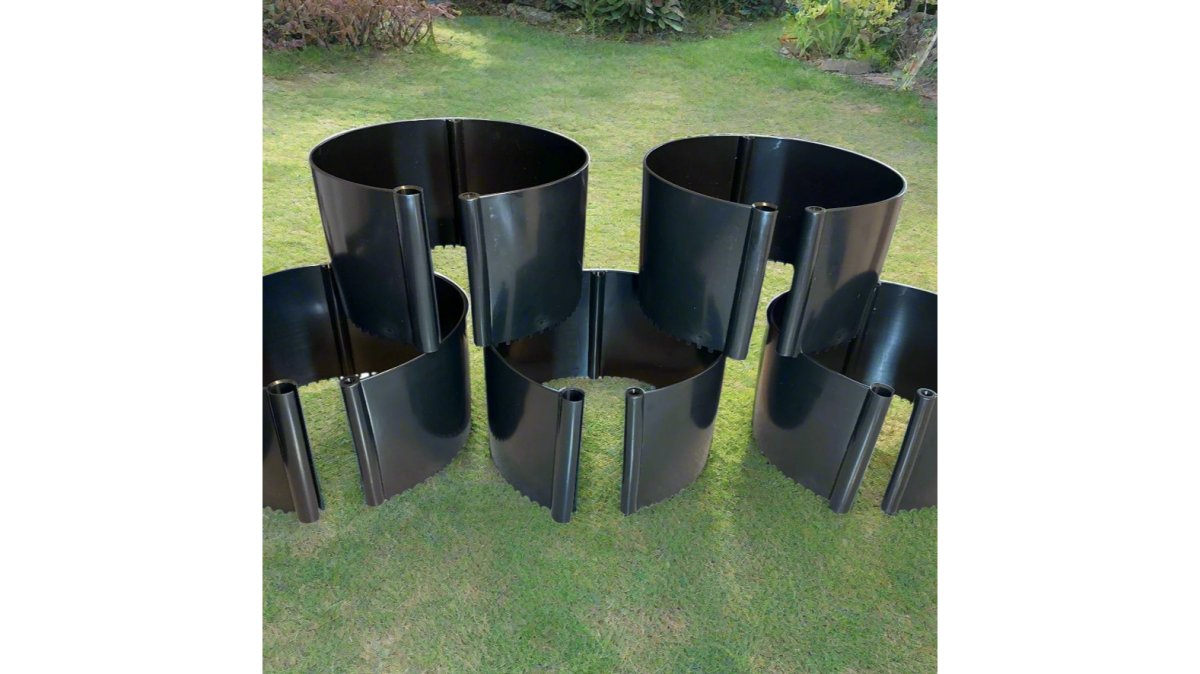
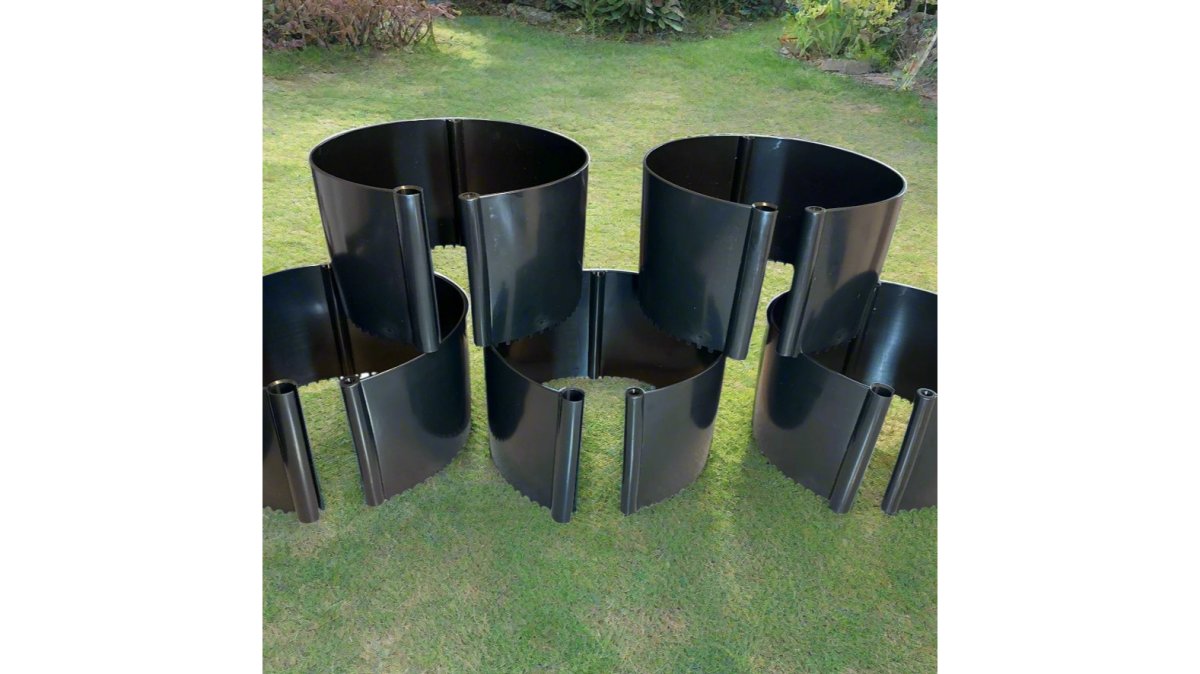
Start with the cheapest fixes: redirect downspouts with gutter extensions, build a shallow swale along the contour of your slope, and add 2-3 inches of mulch around beds. A DIY rain garden costs little more than the plants and a few hours of digging. Directing water at the root zone with a watering ring also cuts how much you need in the first place, so less water ever becomes garden runoff.
Can landscaping really prevent soil erosion from runoff?
Yes. Plant roots hold soil in place, and layered ground cover slows surface water before it gains speed. A combination of trees, shrubs, mulch, and permeable surfaces keeps topsoil where it belongs. On slopes, a swale or dry creek bed intercepts water and lets it infiltrate instead of carving channels. The key is slowing the water first, then letting it soak in.
What is the cheapest drainage method for garden runoff?
Mulch and gutter extensions are the lowest-cost options, often under a few dollars per downspout. A hand-dug swale costs only your time. For a more permanent fix, a DIY rain garden uses native plants and a shallow basin. French drains cost more because of gravel and pipe, but they solve chronic saturation. Match the fix to the problem: surface water needs diversion, while soggy soil needs a drain.
How do I keep my garden hydrated while preventing runoff?
Water slowly and directly at the root zone instead of spraying the whole bed. A watering ring holds up to 2 gallons and releases it gradually, so soil absorbs moisture instead of shedding it. Pair that with mulch to reduce evaporation and a rain barrel to capture roof water. Together, these steps cut watering frequency and keep every drop in the soil where plants can use it.

Leave a comment
This site is protected by hCaptcha and the hCaptcha Privacy Policy and Terms of Service apply.